About Levi's 501
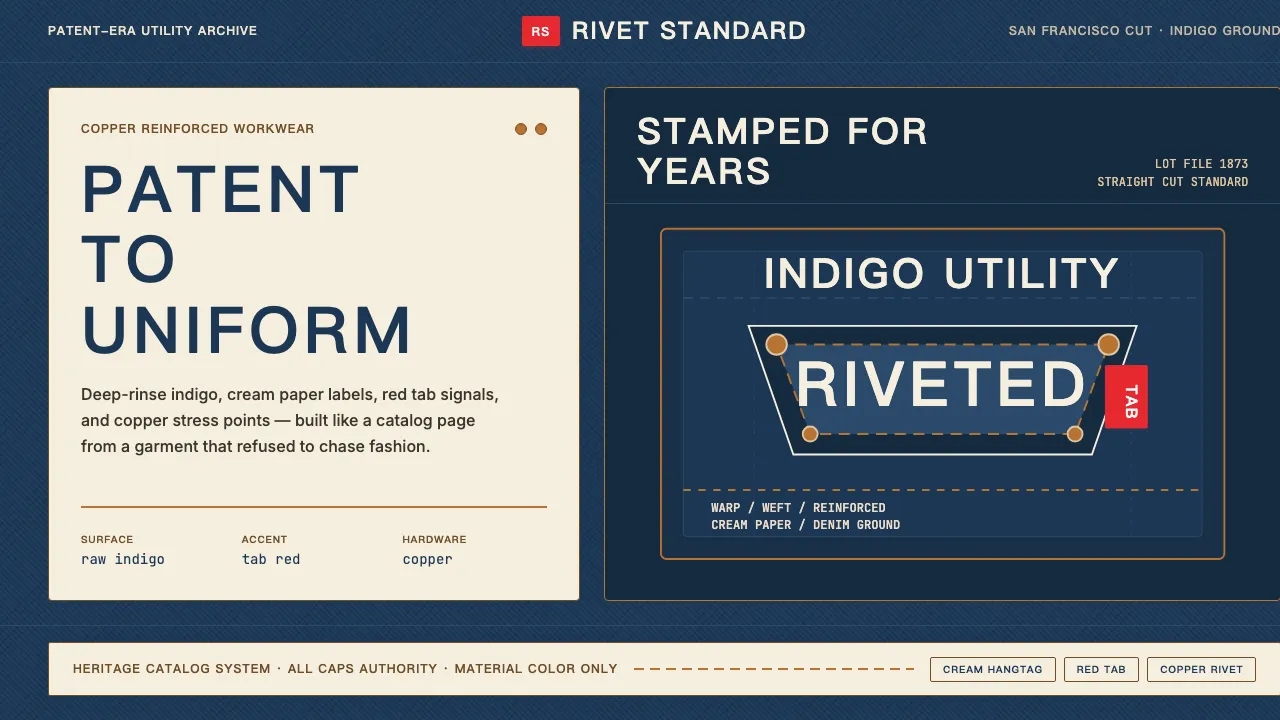
The 501 is not a product — it's a patent that became a uniform. Since 1873, Levi Strauss & Co.'s copper-riveted indigo work pants have dressed gold miners, cowboys, rebels, and rock stars without changing their fundamental cut.
This design system channels that permanence: deep-rinse indigo as the dominant surface, red pocket-tab accents for action, cream hangtag paper for content, and Trade Gothic's condensed ALL-CAPS authority stamped across every label. Heritage utility, not fashion.
- Origin
- San Francisco, California
- Era
- 1873 patent; 501 model since 1890; current visual refresh ~2014
- Key figures
- Levi Strauss · Jacob Davis · Walter Landor · Chip Bergh
- Movements
- American gold-rush utility wear · denim-as-rebellion · jeans-as-status-symbol globalization
Levi's 501 design spec
Colors
Background
Surface
Primary
Secondary
Accent
Text
Typography
Trade Gothic Bold CondensedHeadings
InterBody
JetBrains MonoMono
Unlock for 1 credit
The other 11 sections — buttons, cards, spacing, motion, techniques and more — open once you unlock. Download the DESIGN.md or send it to your AI in one click. Unlock once, yours forever.
Sign up nowHave an account? Sign in
Styles similar to Levi's 501
Also inspired by brands & products, with a close feel.
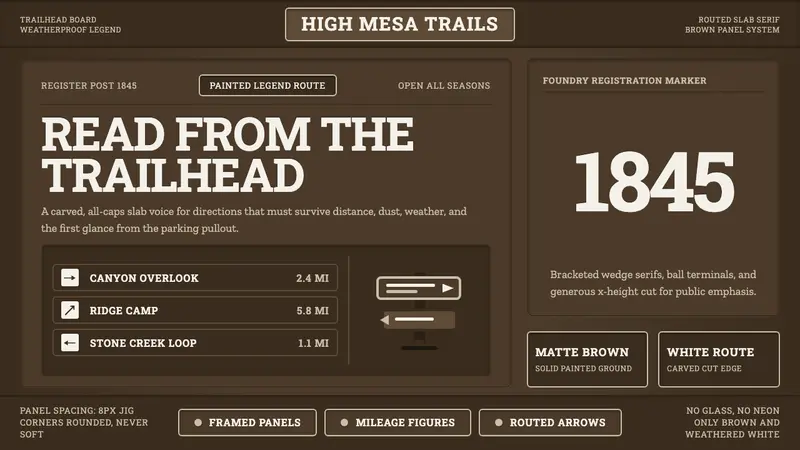 Clarendon Slab SerifBuilt for distance. Routed white slab legends cut into dark park-sign brown.
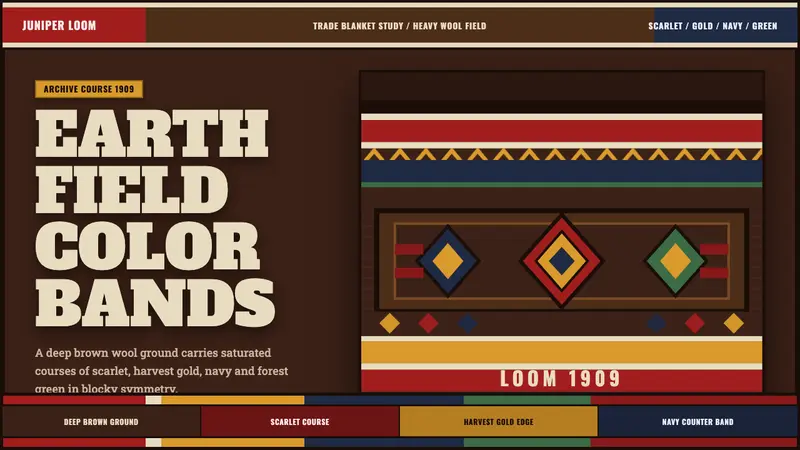 Pendleton Wool BlanketWoven authority. Scarlet-gold-navy bands lock into diamonds on dark brown wool.
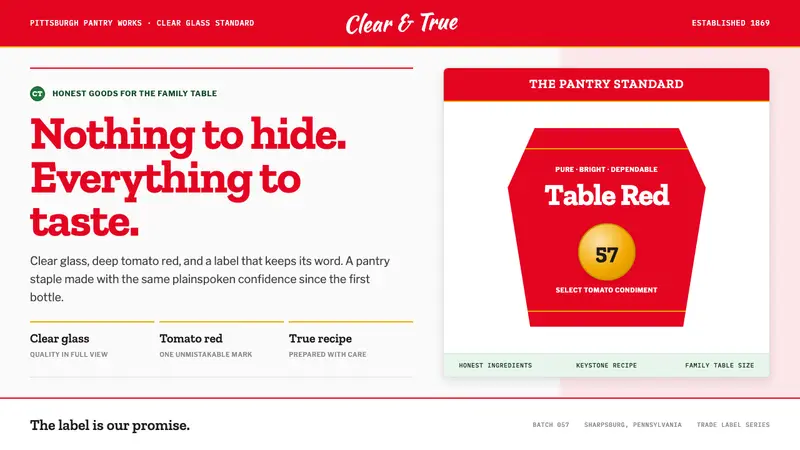 Heinz Ketchup (1869)Nothing to hide. Tomato red and slab serif lock clear-glass honesty into a keystone label.
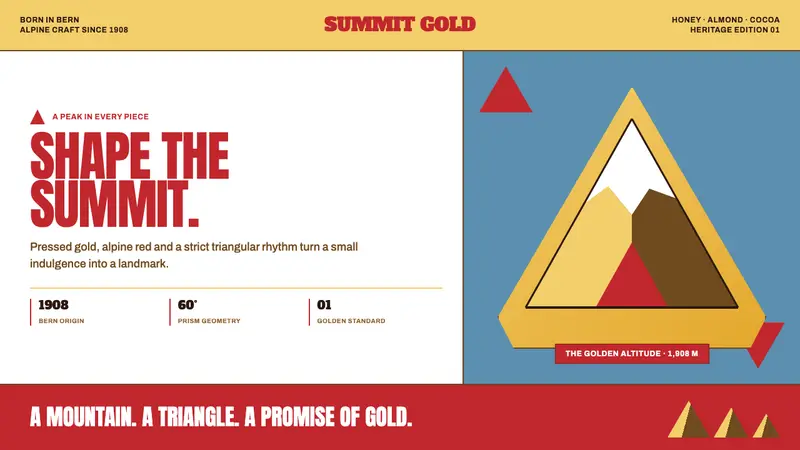 Toblerone Matterhorn (1908)A mountain compressed into a mark. Foil gold, alpine red and strict triangles carry the identity.