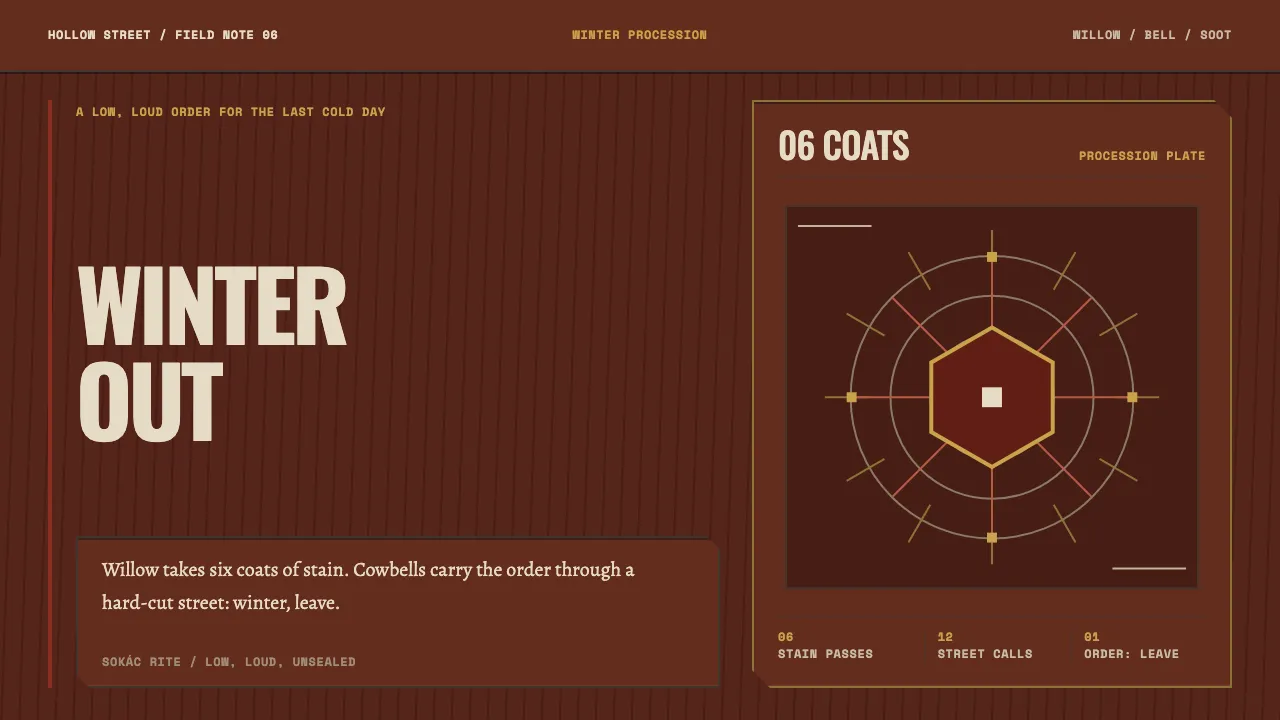
About Busójárás Mask
Six days before Lent, men in Mohács pull on inside-out sheepskin, strap a cowbell to the belt and put on a face carved from willow and coated over and over in pig's blood until the wood goes matte oxblood. Horns are real — ram, Racka, goat — so no two crowns match.
This system takes that surface literally. The ground is stained wood, not black. Every edge is a gouge cut, never a fillet. Type is condensed and shouted, proportions are heavy and low, and nothing is sealed, polished or symmetrical.
- Origin
- Mohács, southern Hungary — the Sokác community on the Danube
- Era
- pre-1900 folk custom, continuous to the present; UNESCO Representative List 2009, Hungarikum 2013
- Key figures
- Heilmann János · Pákovics Péter · Baráth Gábor · Prókai György
- Movements
- Busójárás end-of-winter carnival · Central European masked winter-banishing rites
Busójárás Mask design spec
Colors
Background
Surface
Primary
Secondary
Accent
Text
Typography
OswaldHeadings
AlegreyaBody
Space MonoMono
Unlock for 1 credit
The other 11 sections — buttons, cards, spacing, motion, techniques and more — open once you unlock. Download the DESIGN.md or send it to your AI in one click. Unlock once, yours forever.
Sign up nowHave an account? Sign in
Styles similar to Busójárás Mask
Also inspired by crafts & folk art, with a close feel.
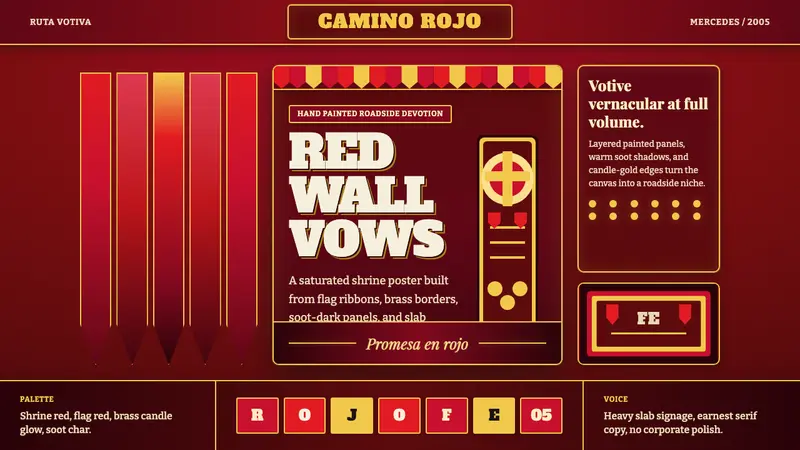 Gauchito Gil ShrineDevotion burns red. Flag ribbons, brass borders, and slab signage glow on soot-dark wood.
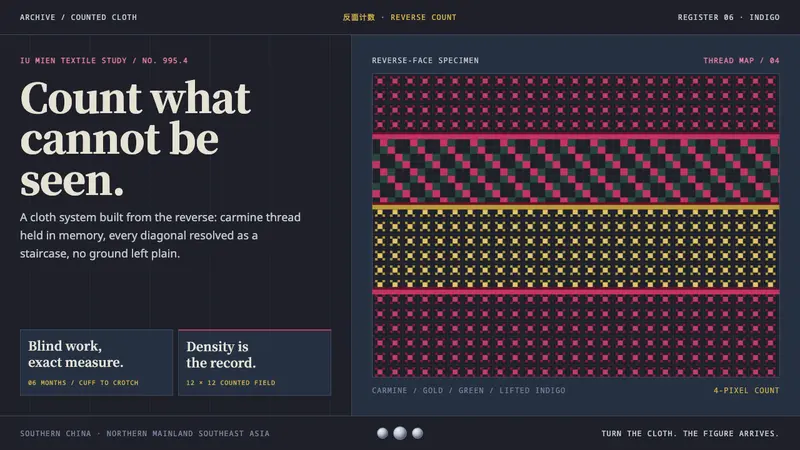 Mien Yao Cross-StitchDensity is the achievement. Carmine counted stitches saturate near-black indigo in strict bands.
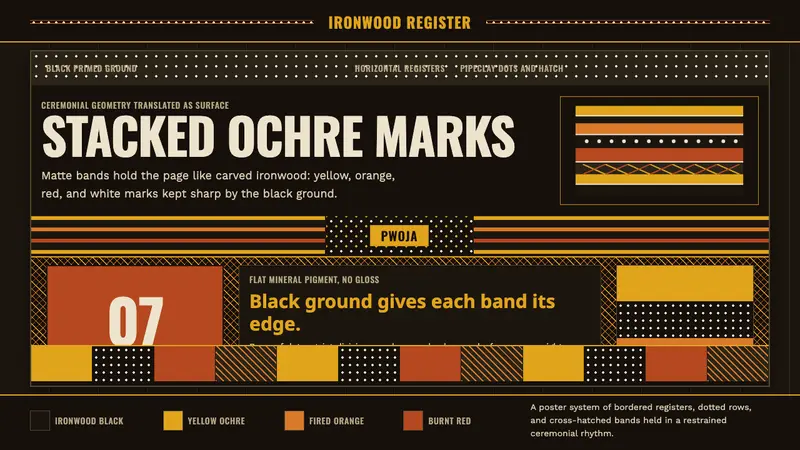 Tiwi Pukumani PoleBlack ground carries ceremony. Ochre bands, pipeclay dots, and hatch stack like carved wood.
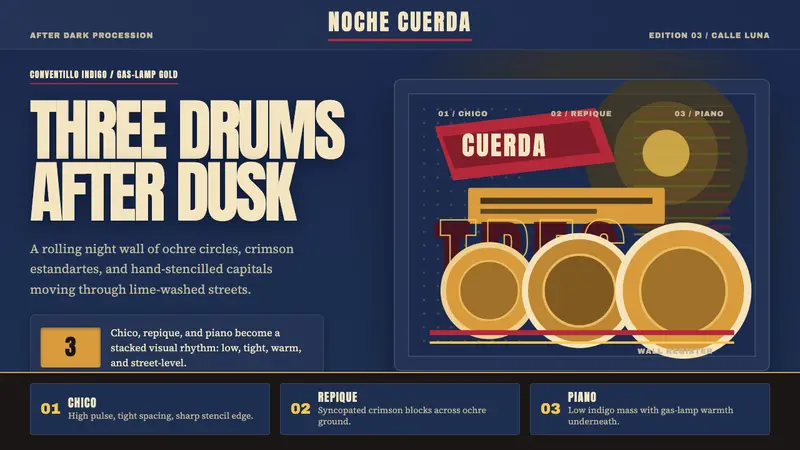 Uruguayan Candombe LlamadasCandombe after dark. Indigo ground, ochre drum circles, crimson banner type.