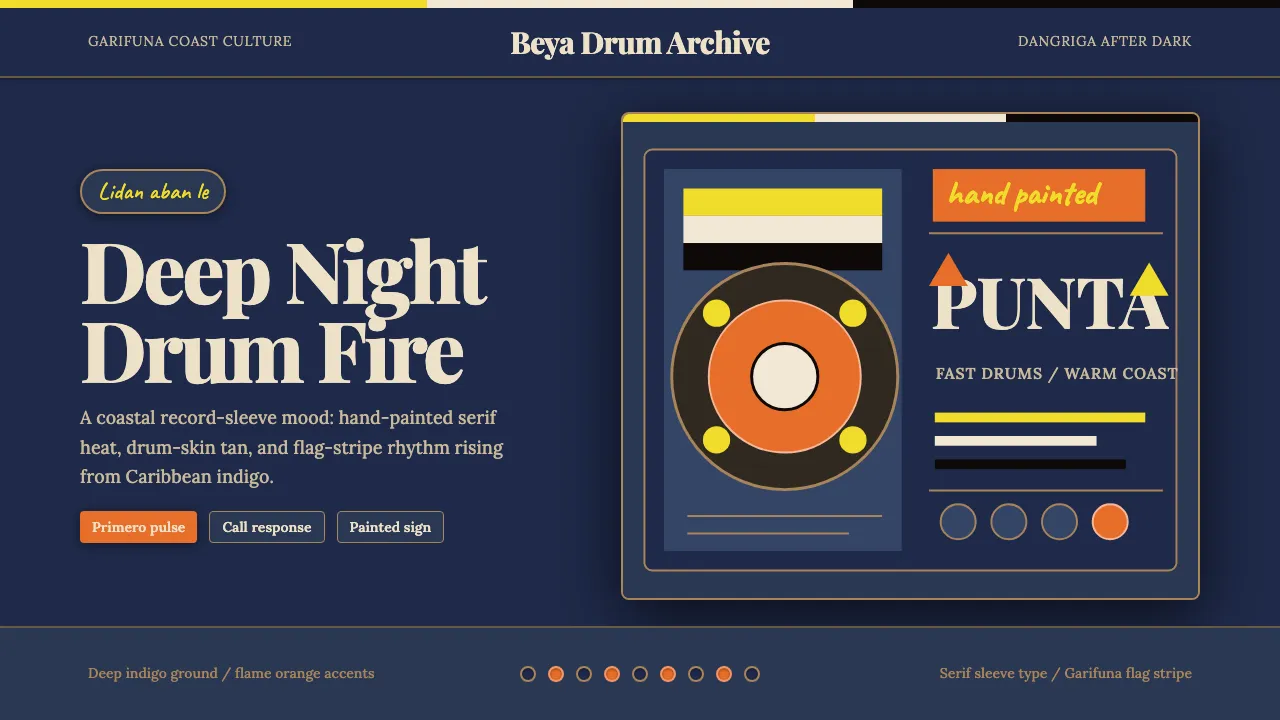
About Belizean Garifuna Punta
Born from the 1797 British deportation of Afro-Indigenous people from St. Vincent, the Garifuna settled Belize's Caribbean coast and forged punta — a fast-drum dance music driven by primero and segunda hand-drums, turtle-shell shakers, and call-and-response vocals in the Garifuna language.
This design system channels the deep-night indigo of the Caribbean shore, the warmth of drum-skin tan, and the bold flame-orange energy of punta dance, evoking the hand-painted signage of Punta Gorda and the photographic warmth of a 1990s Stonetree Records sleeve.
- Origin
- Caribbean coast of Belize (Dangriga, Punta Gorda, Hopkins), Honduras, Guatemala, Nicaragua
- Era
- Garifuna formation 1635; punta documented ~1900; Andy Palacio era 1990s–2008
- Key figures
- Andy Palacio · Aurelio Martínez · Pen Cayetano · Ivan Duran
- Movements
- Afro-Caribbean diaspora music · Garifuna cultural revival · UNESCO Intangible Heritage
Belizean Garifuna Punta design spec
Colors
Typography
The other 11 sections — buttons, cards, spacing, motion, techniques and more — open once you unlock. Download the DESIGN.md or send it to your AI in one click. Unlock once, yours forever.
Sign up nowStyles similar to Belizean Garifuna Punta
Also inspired by crafts & folk art, with a close feel.
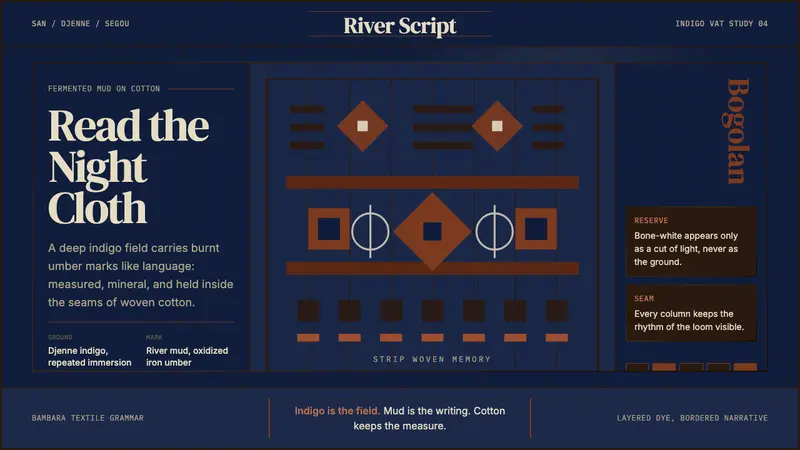 Malian Bogolan over Djenné IndigoCloth reads at night. Djenne indigo, burnt-umber mud marks, and strip seams.
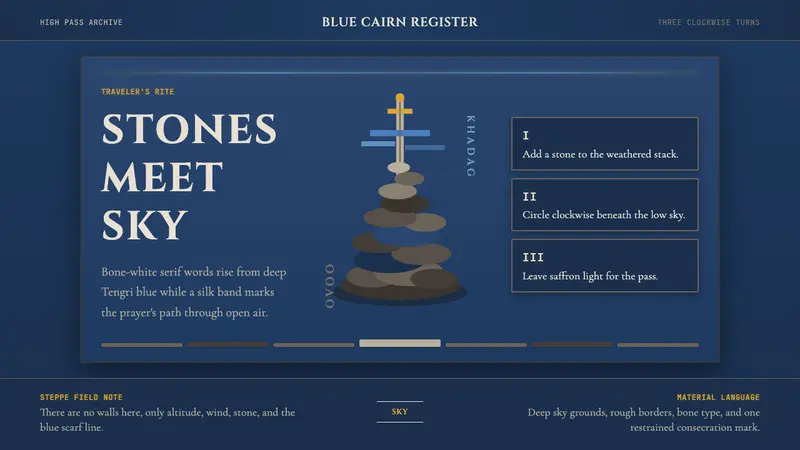 Mongolian Ovoo (Cairn Prayer Site)Sacred austerity. Steppe-blue ground, bone serif type, and one silk-blue prayer line.
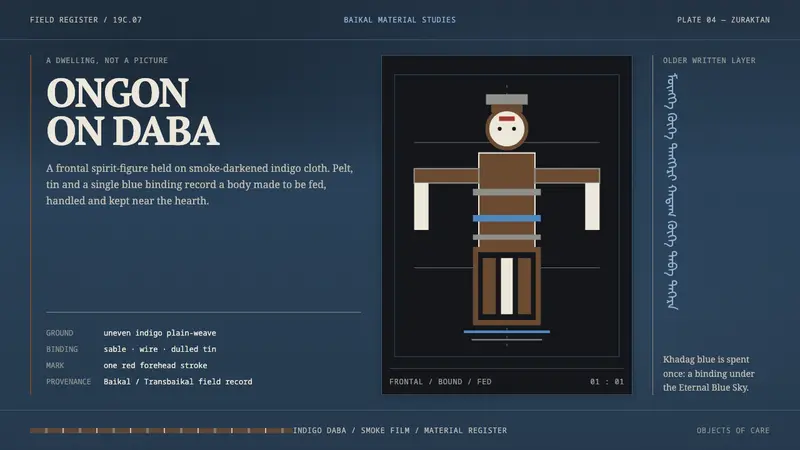 Buryat OngonA spirit dwelling, not a picture. Smoke-darkened indigo frames a frontal bound figure.
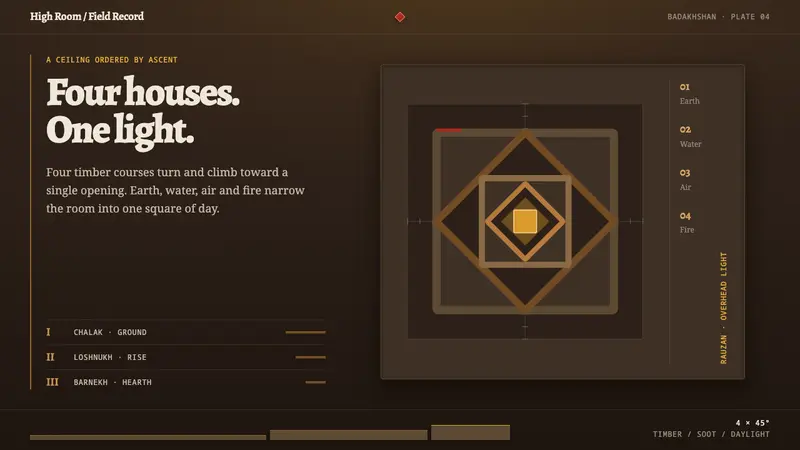 Pamiri Chid CeilingOne square commands the dark. Nested timber frames step inward through ochre light.