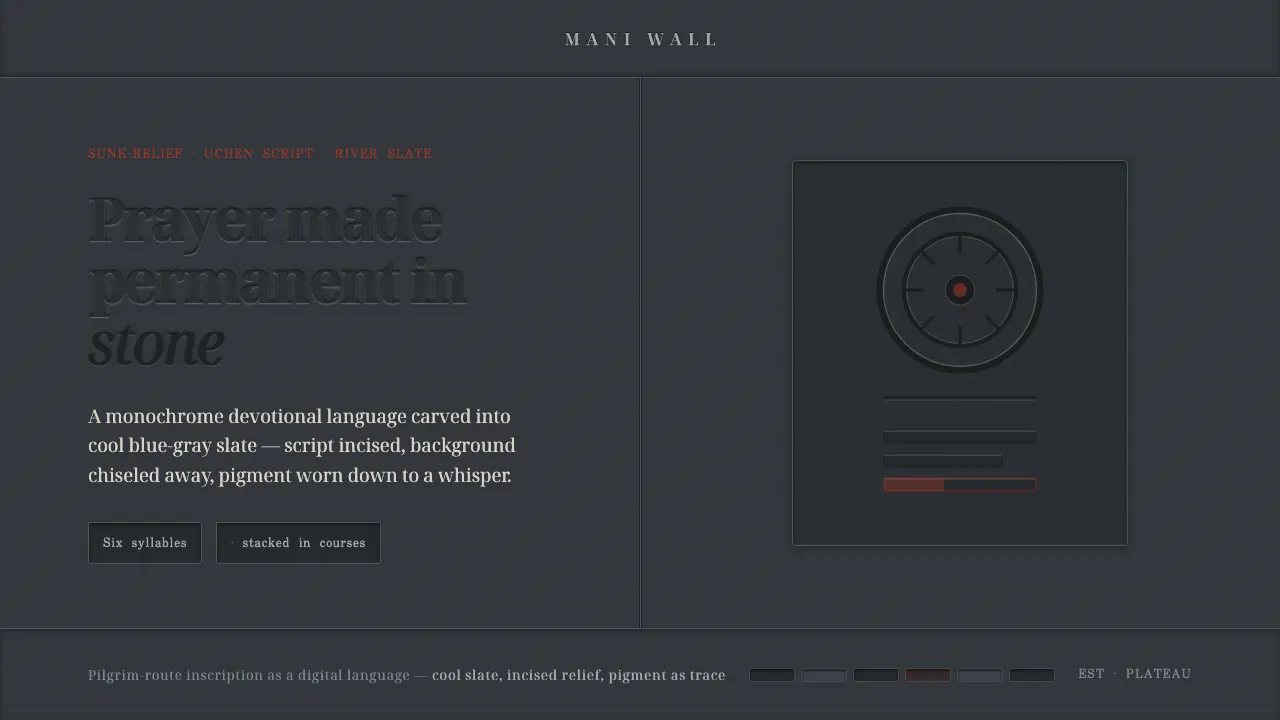
About Tibetan Mani Stone
Tibetan mani stones are flat river slate carved with the sunk-relief mantra *Om mani padme hum* in Uchen script, then stacked into low walls along pilgrimage routes. The background is chiseled away around each letter so the glyphs stand at the surface, their grooves holding faint weathered traces of symbolic pigment — white, red, and gold — against cool blue-gray stone.
This design system distills that devotional craft into a digital language: a dark slate ground, incised typographic relief, monochrome restraint, and pigment used only as the faintest accent — never bright, never warm.
- Origin
- Tibetan Plateau (Asia East)
- Era
- pre-1900 — enduring Tibetan Buddhist devotional practice (current revival ~ongoing)
- Key figures
- Tibetan Buddhist pilgrims · itinerant mani stone carvers · monastery lha rtse stonecutters
- Movements
- Tibetan Buddhist devotional stone carving · mani walls · sunk-relief glyph inscription · Uchen script calligraphy
Tibetan Mani Stone design spec
Colors
Typography
The other 11 sections — buttons, cards, spacing, motion, techniques and more — open once you unlock. Download the DESIGN.md or send it to your AI in one click. Unlock once, yours forever.
Sign up nowStyles similar to Tibetan Mani Stone
Also inspired by crafts & folk art, with a close feel.
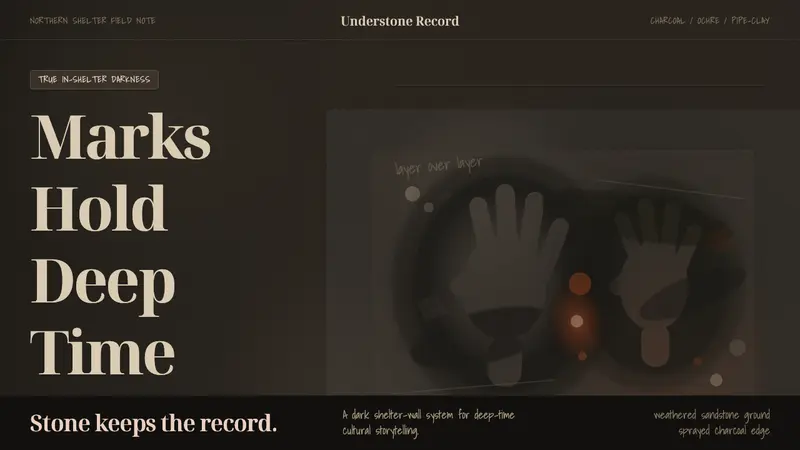 Kakadu Rock Shelter CharcoalDarkness carries memory. Charcoal stencils and haematite dust sit on weathered sandstone.
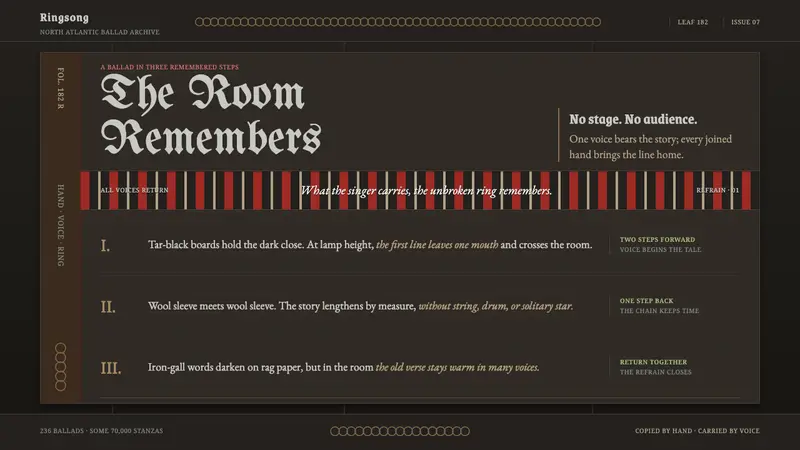 Faroese KvæðiThe room sings as one. Silver type and red refrain bands rule a tar-black manuscript leaf.
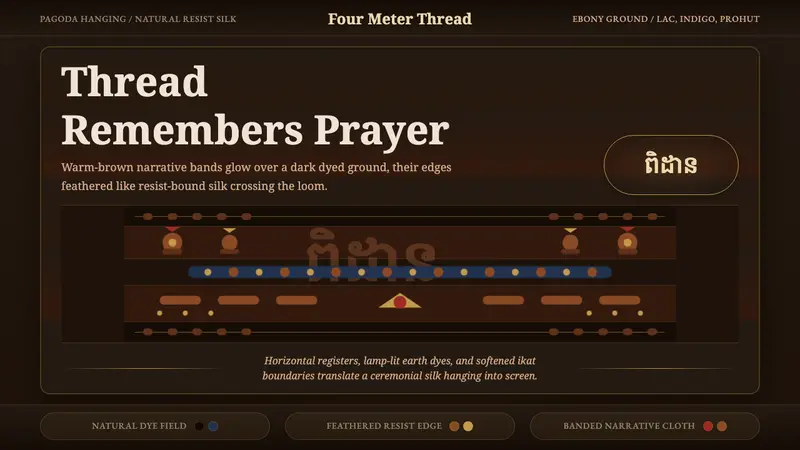 Cambodian Pidan IkatSacred cloth glows. Ebony-indigo bands carry warm-brown ikat figures with feathered edges.
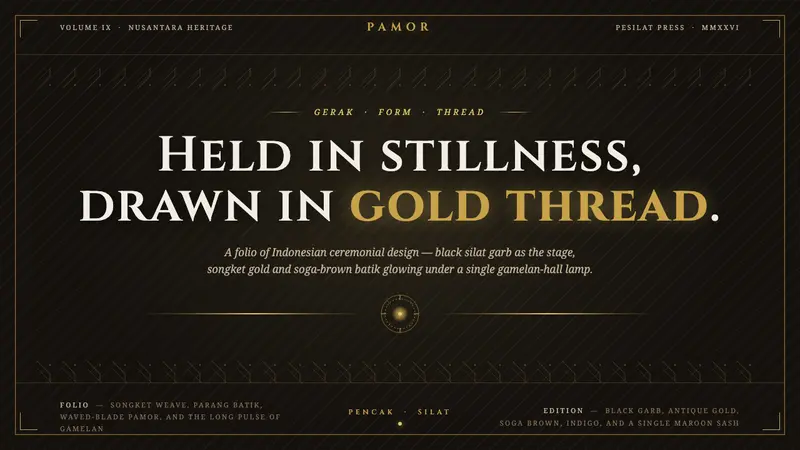 Indonesian Pencak SilatHeld in stillness, drawn in gold. Songket thread glows on black silat garb under one gamelan lamp.