About Sri Lankan Cinnamon Galle (1640)
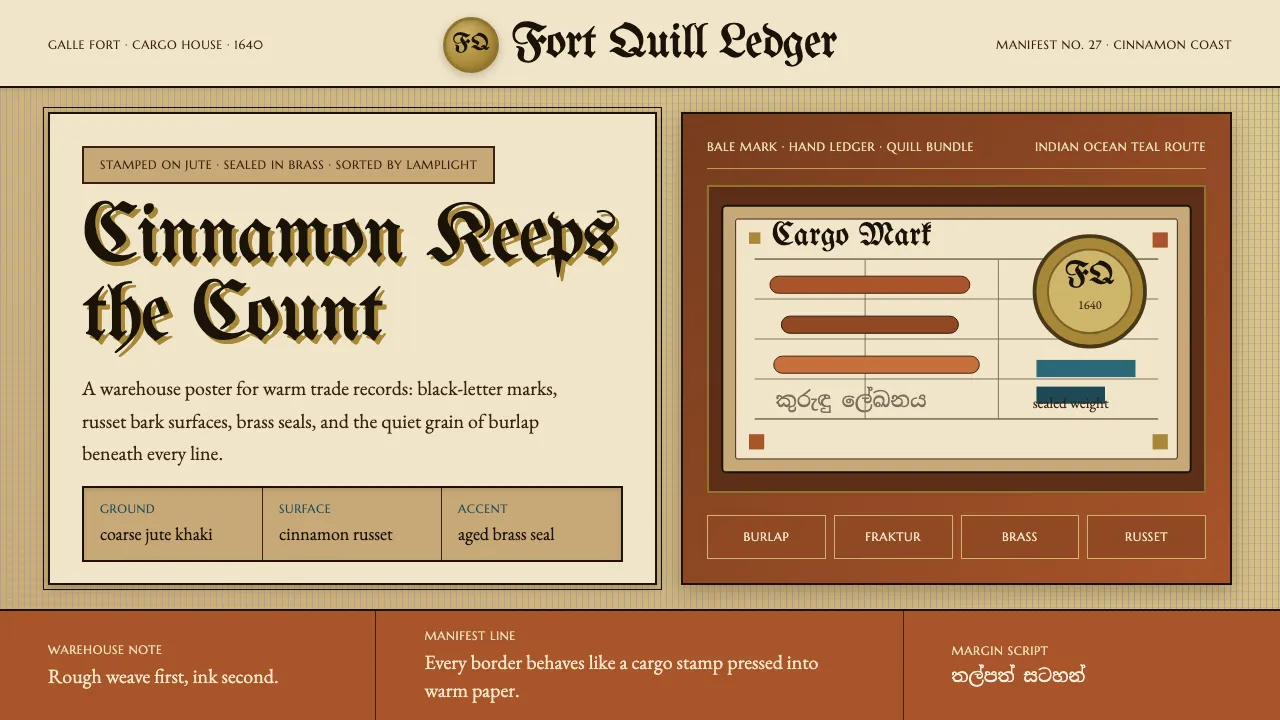
In 1640 the Dutch VOC wrested Galle Fort from the Portuguese and turned it into the nerve center of the world's finest cinnamon trade. This design system channels the warehouse atmosphere of that era — jute-burlap grounds stamped with black-letter Dutch cargo marks, cinnamon-bark russet surfaces, brass VOC monograms catching lamplight, and the faint ghost of Sinhalese ola-leaf manuscripts in the margins.
Every element references a material reality: the rough weave of jute sacking, the warm cylinder of a rolled cinnamon quill, the embossed shadow of a brass brand stamp. Typography pairs UnifrakturMaguntia Fraktur headings with EB Garamond body text — both period-correct for 17th-century Dutch print culture.
- Origin
- Sri Lanka (Galle Fort, southwestern coast); Dutch Republic (Amsterdam VOC HQ)
- Era
- 1640 Dutch VOC capture; cinnamon trade peak 1750–1830
- Key figures
- Willem Jacobszoon Coster · S. Arasaratnam · Lodewijk Wagenaar
- Movements
- Dutch East India Company (VOC) · Ceylon cinnamon monopoly · Indian Ocean spice trade
Sri Lankan Cinnamon Galle (1640) design spec
Colors
Typography
The other 11 sections — buttons, cards, spacing, motion, techniques and more — open once you unlock. Download the DESIGN.md or send it to your AI in one click. Unlock once, yours forever.
Sign up nowStyles similar to Sri Lankan Cinnamon Galle (1640)
Also inspired by architecture & places, with a close feel.
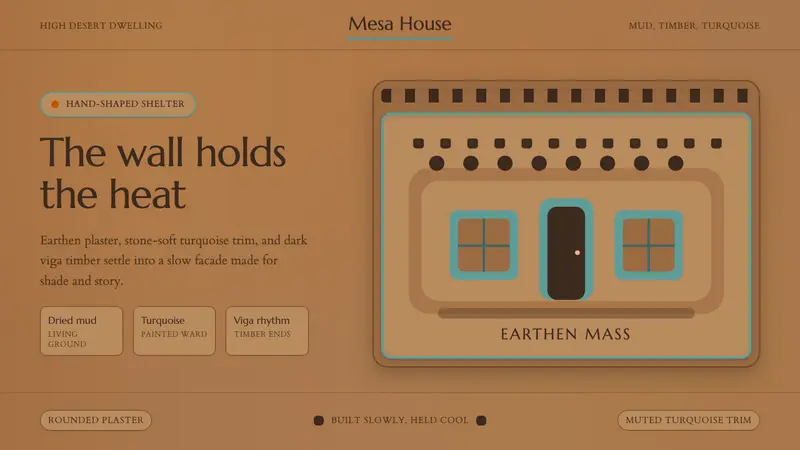 Adobe Pueblo SouthwestFeels made by hand. Earthen tan, turquoise trim, and viga rhythm shape the frame.
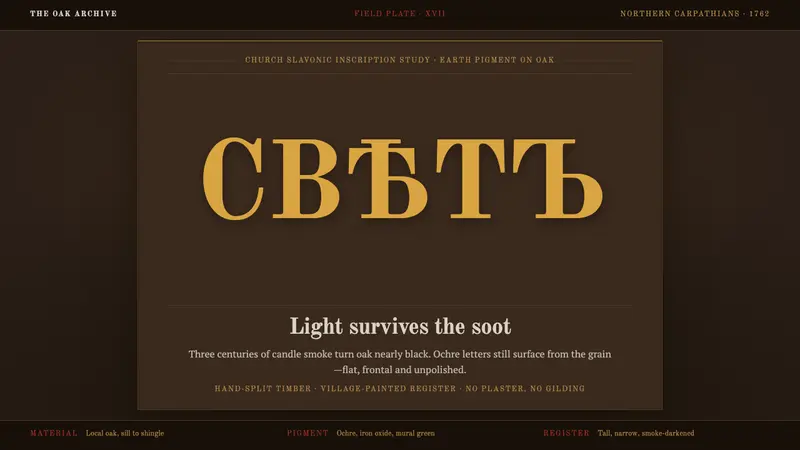 Maramureș Wooden ChurchLight survives the soot. Ochre type and earth-red geometry rise through smoke-dark oak.
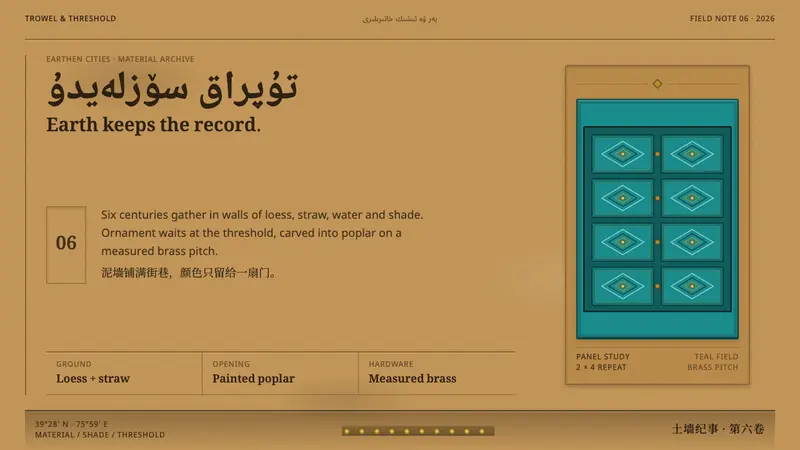 Kashgar Old TownEarth holds the field; ornament waits at one teal door, cut in a strict brass-studded grid.
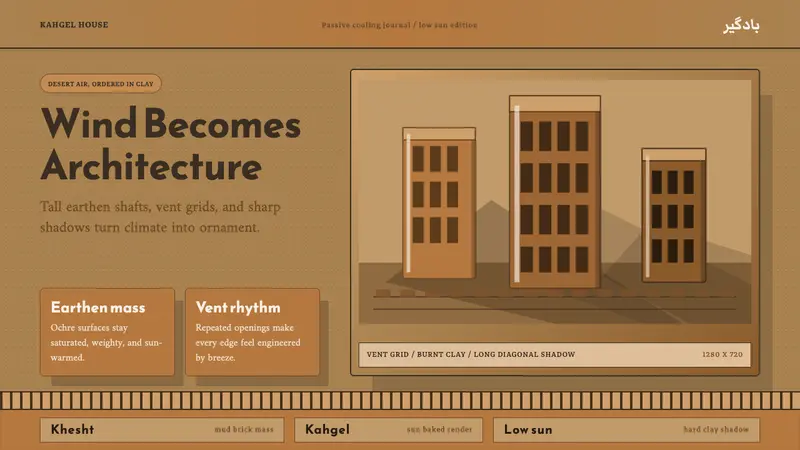 Persian WindcatcherClimate becomes geometry. Adobe ochre, Reem Kufi, vent grids, and hard shadows.