About Japanese Soroban
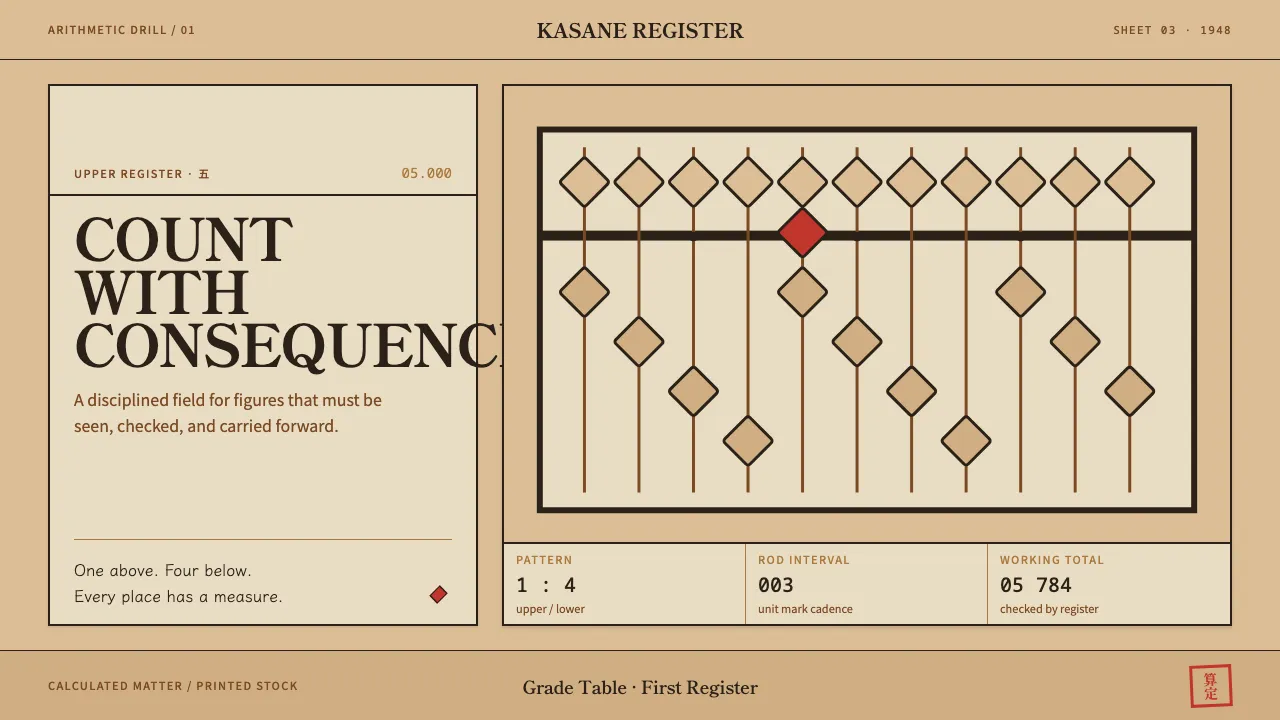
The Japanese soroban settled on one bead above the reckoning bar worth five, four below worth one. Beads are birch or boxwood turned biconal — each reads as a diamond in silhouette. The frame is ebony, near-black and mirror-finished; the rods are smoked susutake bamboo, with a dot marking every third one.
This system takes its layout from that instrument and its texture from the paper beside it: the shuzan kentei grade table, printed small and dense in mincho on cheap off-white stock, carrying a single vermilion seal. It is examination equipment — ruled, numeric, administrative.
- Origin
- Japan — Ono, Hyōgo (Banshū soroban) and Okuizumo, Shimane (Unshū soroban)
- Era
- 1900–1950 for the modern 1:4 instrument and the graded examination culture around it
- Key figures
- Japan Chamber of Commerce and Industry · Banshū soroban workshops · Unshū soroban workshops
- Movements
- shuzan (abacus arithmetic) drill and its kentei ranking system · anzan mental calculation
Japanese Soroban design spec
Colors
Typography
The other 11 sections — buttons, cards, spacing, motion, techniques and more — open once you unlock. Download the DESIGN.md or send it to your AI in one click. Unlock once, yours forever.
Sign up nowStyles similar to Japanese Soroban
Also inspired by crafts & folk art, with a close feel.
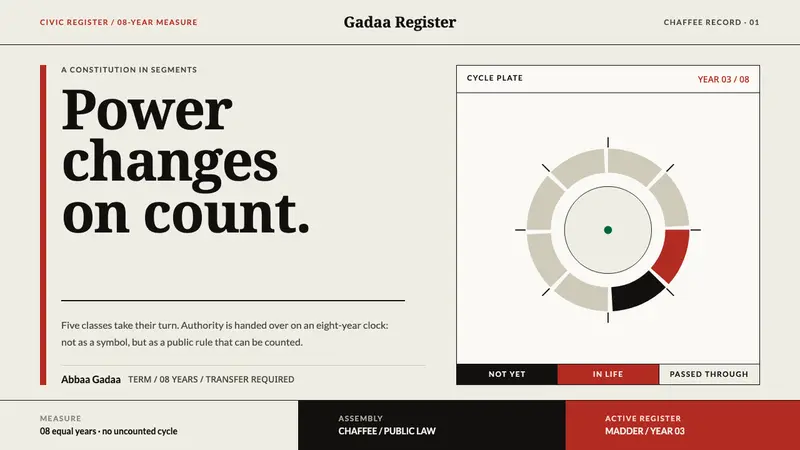 Oromo GadaCivic time made countable. Madder, black and white turn an eight-part ring into a life register.
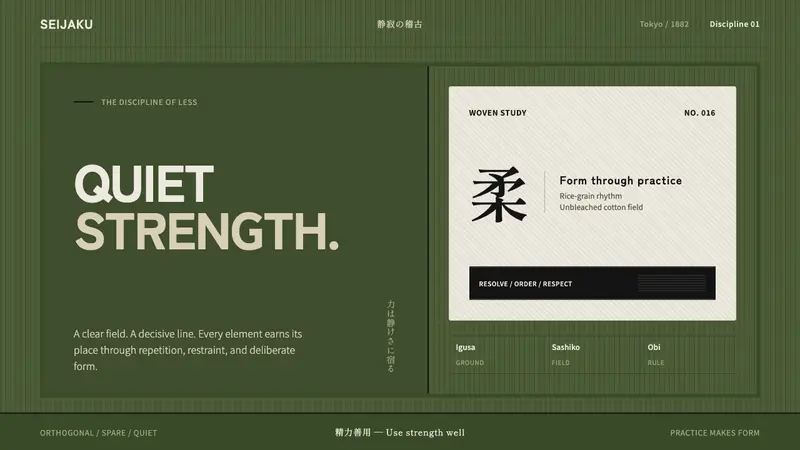 Judo Gi KodokanDiscipline without noise. Off-white sashiko, black belt lines, and an igusa-green grid.
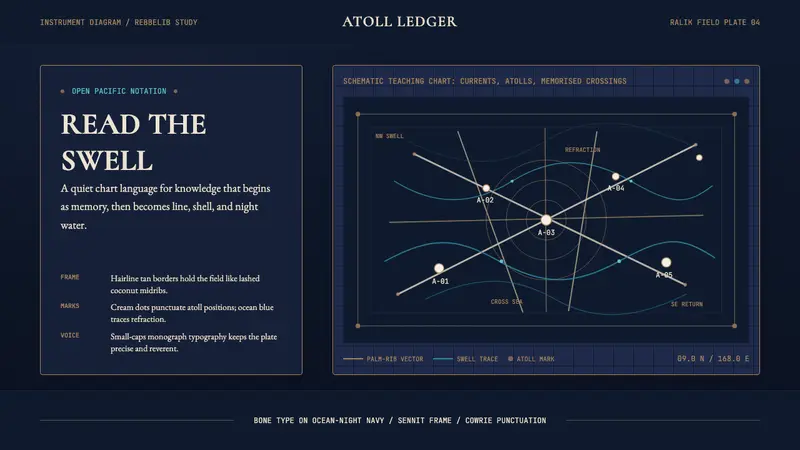 Marshallese Stick ChartQuiet ocean science. Bone Cormorant type and sennit lines chart swells on ink navy.
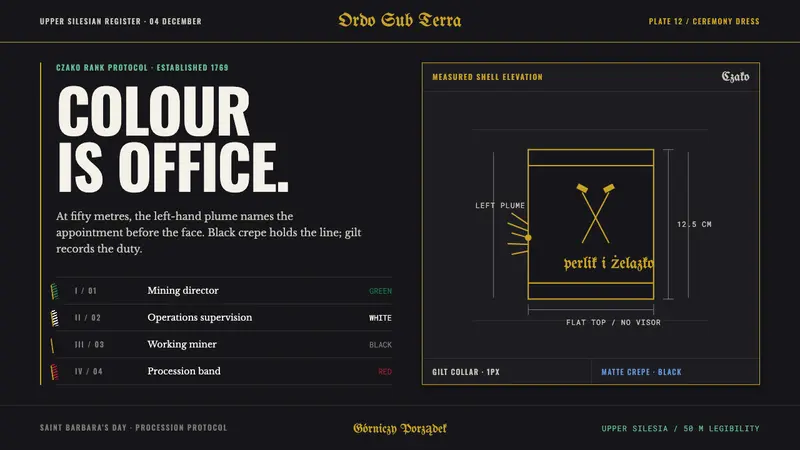 Silesian Miner CzakoColour is office. Gilt collars and left-set rank plumes make hierarchy legible at distance.