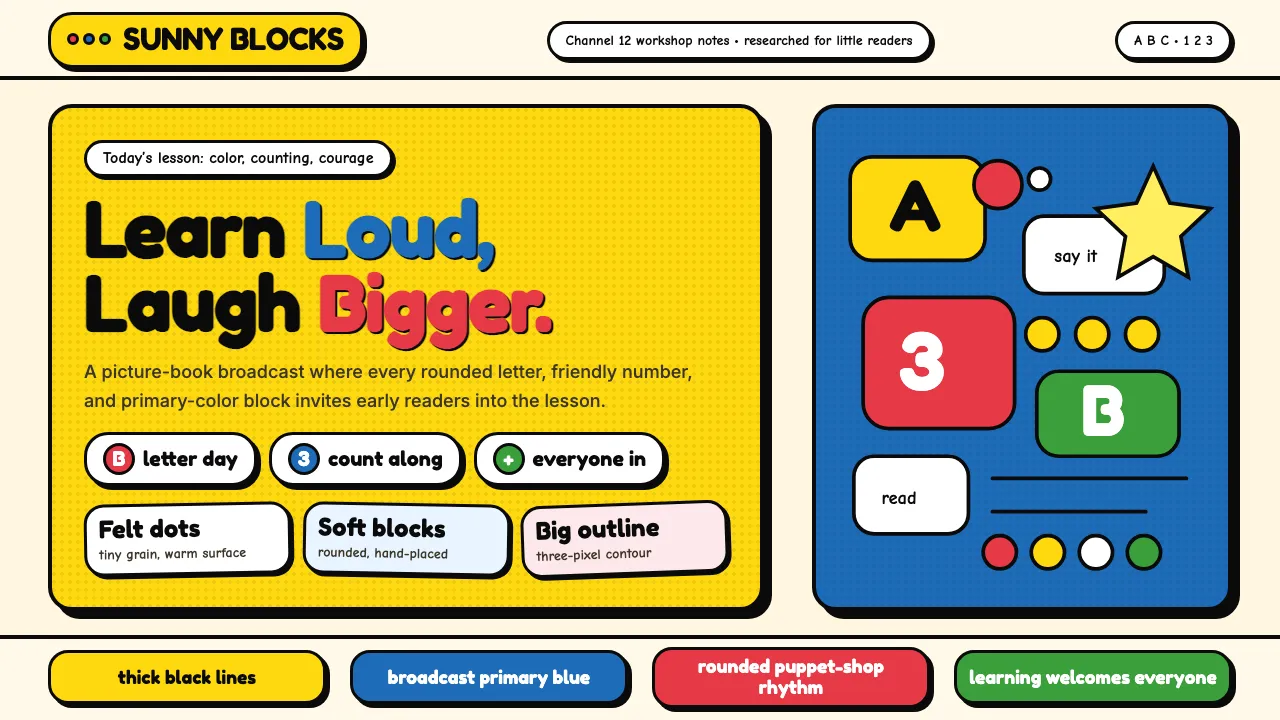
About Sesame Street (1969)
Sesame Street is the most rigorously designed children's media program in history — every color, letterform, and character shape tested with child-development psychologists before reaching the screen. The result is a visual language of saturated TV-broadcast primaries, chunky black outlines, and felt-textured surfaces that says "learning is bright, friendly, and hand-crafted."
Big Bird yellow and Cookie Monster blue anchor the palette, with Elmo red as the playful third voice. Typography is rounded and chunky, geometry is blob-shaped and imperfect, and every surface carries the warmth of Henson's puppet workshop — never slick, never minimal, always welcoming.
- Origin
- USA — New York City
- Era
- 1969 premiere; peak innovation 1969–1985 (Henson era); modern era 2016–present
- Key figures
- Joan Ganz Cooney · Jim Henson · Frank Oz · Caroll Spinney
- Movements
- Educational television movement · Research-driven children's media design · Puppet-based learning
Sesame Street (1969) design spec
Colors
Typography
The other 11 sections — buttons, cards, spacing, motion, techniques and more — open once you unlock. Download the DESIGN.md or send it to your AI in one click. Unlock once, yours forever.
Sign up nowStyles similar to Sesame Street (1969)
Also inspired by film, games & music, with a close feel.
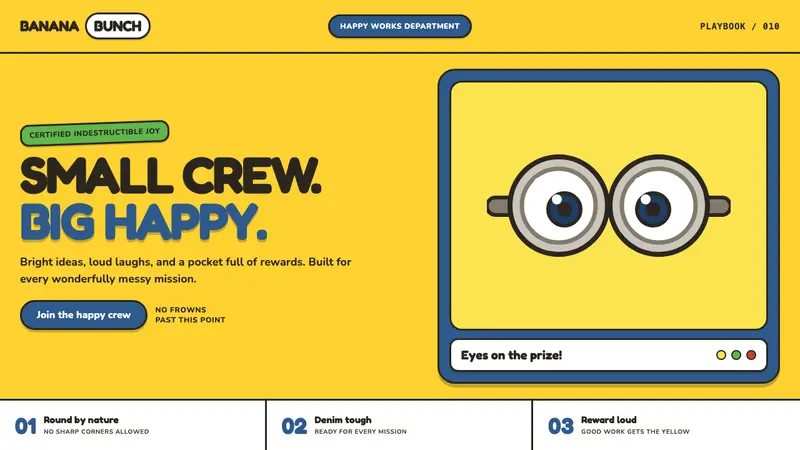 Minions (Despicable Me, 2010)Indestructibly cheerful. Minion yellow, denim blue, and chunky goggle geometry shout together.
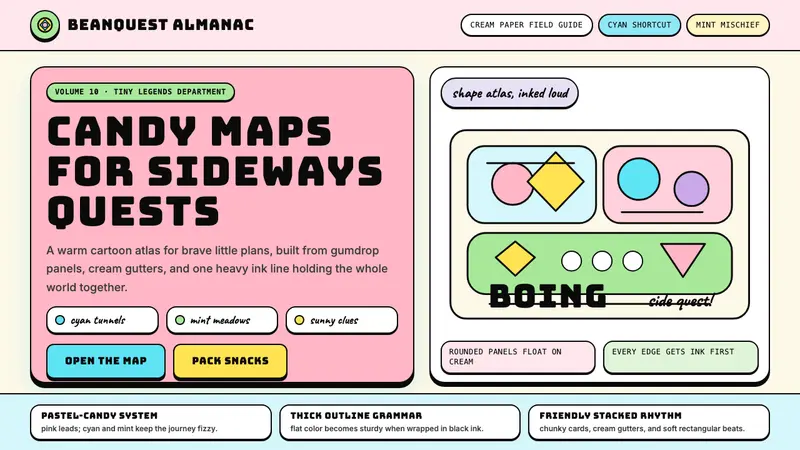 Adventure TimeCartoon warmth, inked loud. Cream gutters, candy pink, cyan and mint lock into thick outlines.
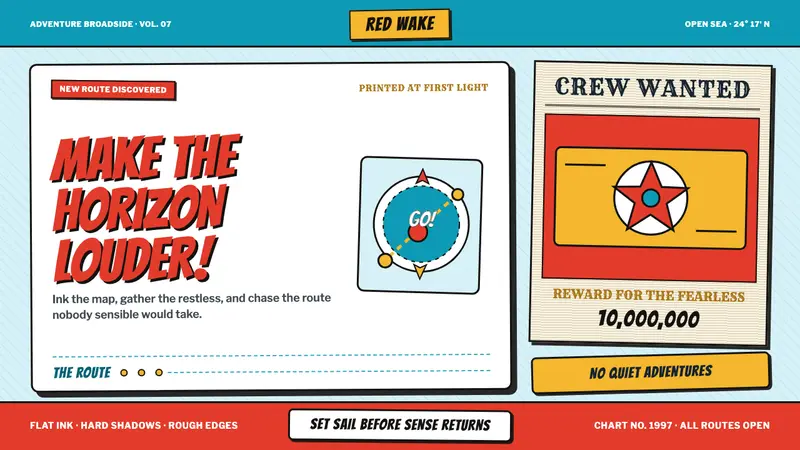 One Piece (Grand Line Adventure)Adventure shouts first. Vermilion splash type and cyan charts collide in hard black ink.
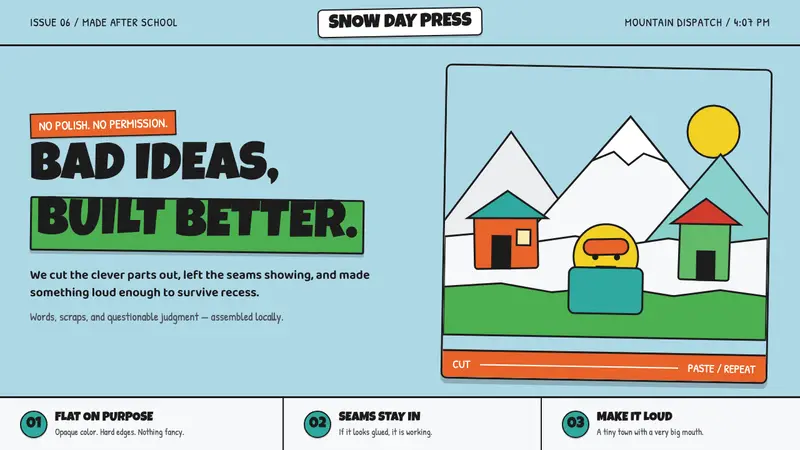 South Park Cutout (1997)Crude is the charm. Opaque paper shapes, marker-black seams, and snow-bright color stay loud.