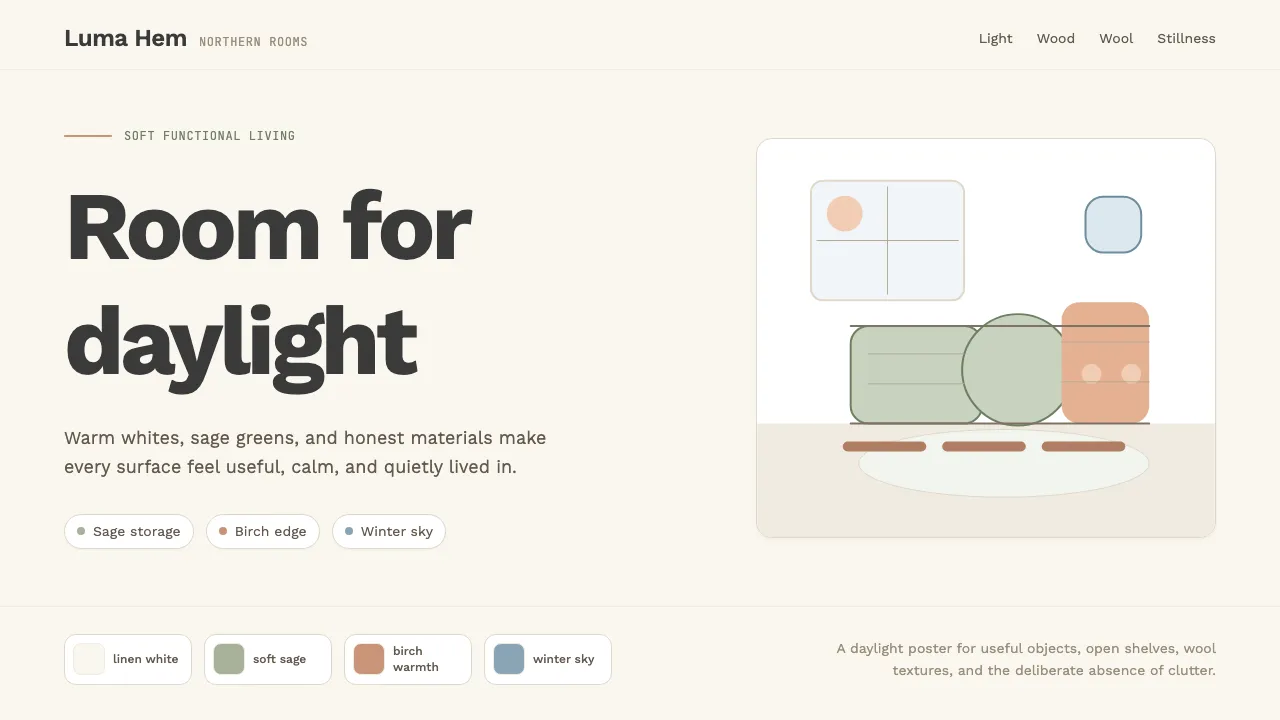
About Scandi Hygge (IKEA)
Scandinavian design distills warmth from restraint. Born in the mid-century workshops of Aalto, Jacobsen, and Wegner, it treats blonde wood, natural light, and generous whitespace as first-class materials. IKEA carried this ethos to a global audience — bright airy showrooms, sage greens, soft beiges — while the Danish concept of "hygge" gave it a name and a lifestyle movement around 2016.
On screen, the Scandi system translates these principles into warm whites, humanist sans-serif type, soft rounded corners, and an insistence on breathing room. Every element exists because it earns its place; nothing decorates for decoration's sake.
- Origin
- Sweden, Denmark, Finland, Norway
- Era
- 1930s–60s mid-century origins; IKEA founded 1943; 'hygge' international export ~2016
- Key figures
- Alvar Aalto · Arne Jacobsen · Hans Wegner · Ingvar Kamprad · Meik Wiking
- Movements
- Nordic functionalism · Bauhaus heritage · Lutheran aesthetic restraint
Scandi Hygge (IKEA) design spec
Colors
Typography
The other 11 sections — buttons, cards, spacing, motion, techniques and more — open once you unlock. Download the DESIGN.md or send it to your AI in one click. Unlock once, yours forever.
Sign up nowStyles similar to Scandi Hygge (IKEA)
Also inspired by brands & products, with a close feel.
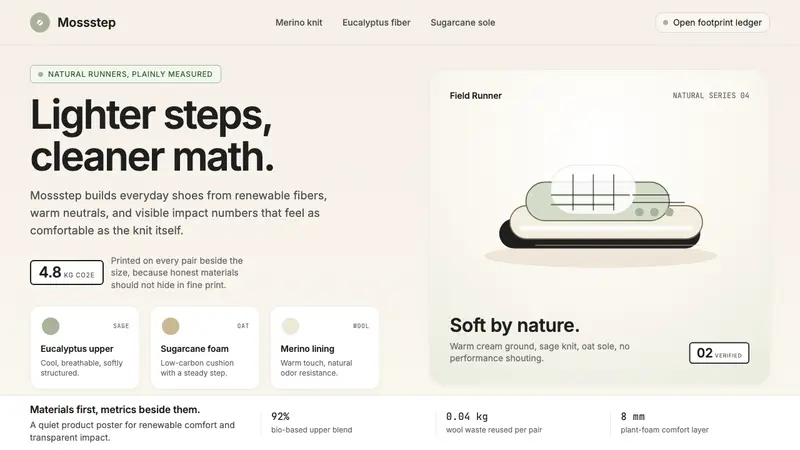 AllbirdsSustainability that breathes. Cream-and-sage tones, carbon labels next to prices, never preachy.
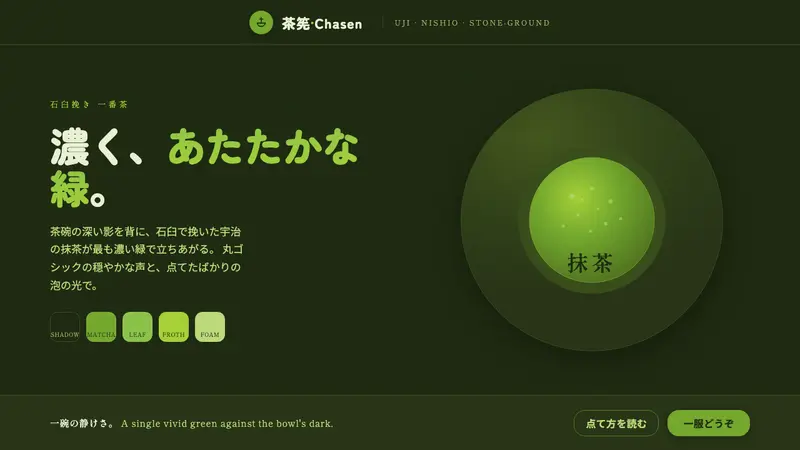 Matcha Latte Powder GreenA single vivid green at full strength. Stone-ground matcha on a dark tea-bowl shadow, rounded type.
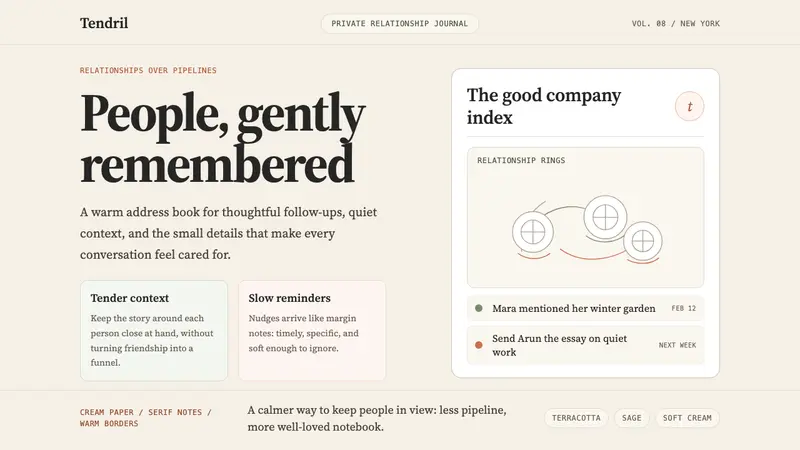 Clay 2024CRM as a sketchbook, not a sales pipeline. Cream backgrounds, terracotta, hand-drawn portraits.
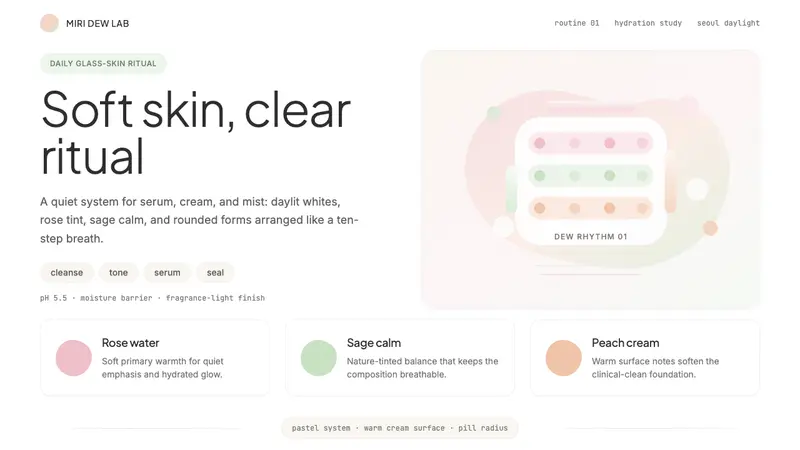 K-Beauty CleanCalm arrives dewy. Rose, sage, and peach pastels float through airy rounded forms.