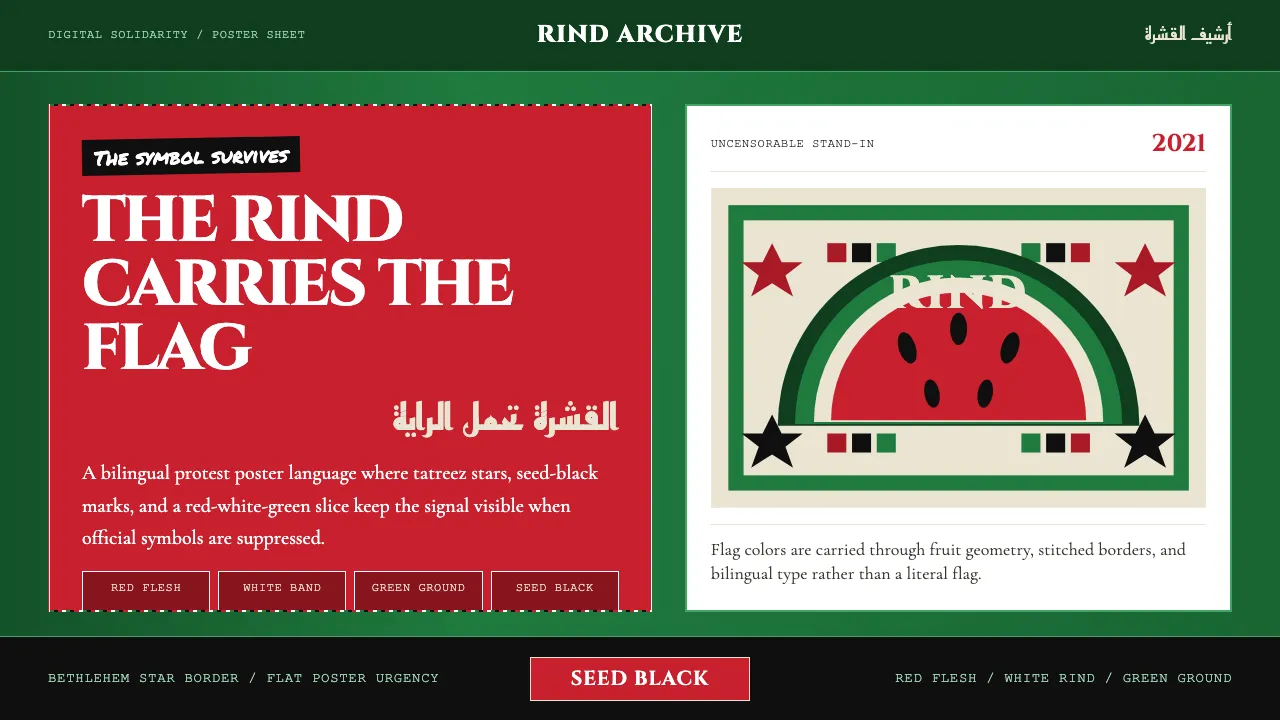
About Palestinian Watermelon (2021)
When platform algorithms suppressed the Palestinian flag, the watermelon — red flesh, green rind, white band, black seeds — became its uncensorable stand-in. The visual language fuses two traditions: the tatreez cross-stitch embroidery of Bethlehem, Hebron, and Ramallah women, and the flat-graphic urgency of protest posters and Naji al-Ali's Handala cartoons.
This design system treats the watermelon not as decoration but as political shorthand. The rind-green page ground, the seed-black accents, the eight-pointed tatreez star borders — every element maps back to the four colors of the flag and the material culture of resistance. Typography pairs Arabic Naskh and Kufi scripts with Latin serifs for bilingual solidarity.
- Origin
- Palestine (West Bank, Gaza, East Jerusalem); global diaspora
- Era
- 1980 (Mansour watermelon paintings); 2007 (Hourani book); 2021 digital resurgence — ongoing
- Key figures
- Sliman Mansour · Khaled Hourani · Naji al-Ali
- Movements
- Palestinian protest art · post-Nakba visual resistance · tatreez heritage revival
Palestinian Watermelon (2021) design spec
Colors
Typography
The other 11 sections — buttons, cards, spacing, motion, techniques and more — open once you unlock. Download the DESIGN.md or send it to your AI in one click. Unlock once, yours forever.
Sign up nowStyles similar to Palestinian Watermelon (2021)
Also inspired by crafts & folk art, with a close feel.
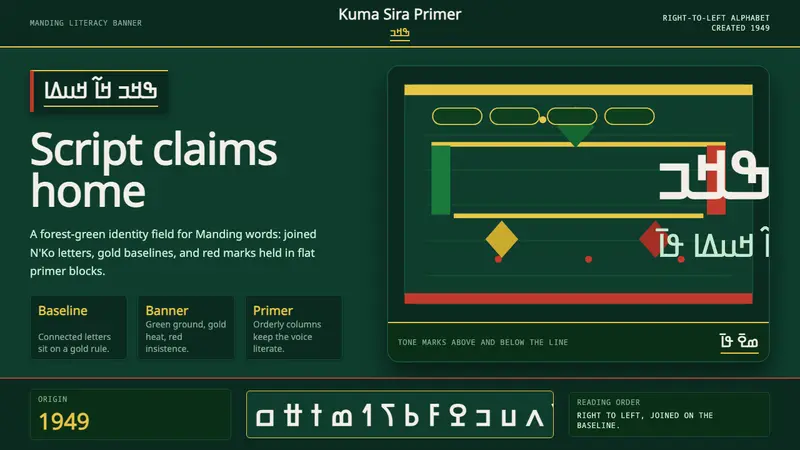 N'Ko ScriptIdentity writes itself. Forest green and gold baselines anchor joined N'Ko letterforms.
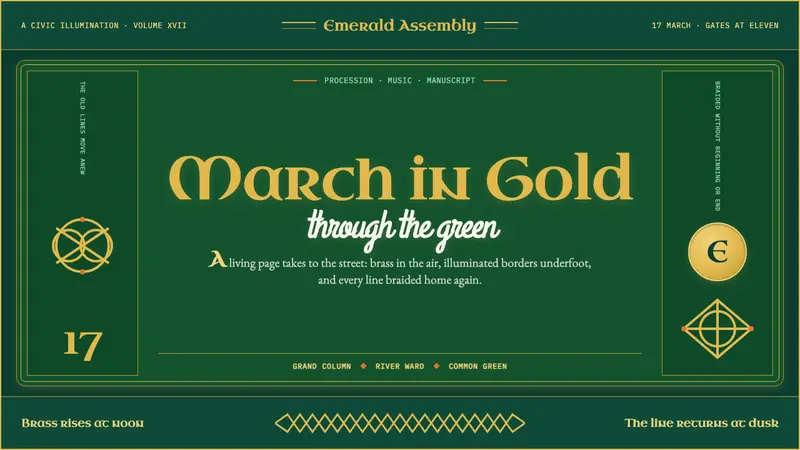 St. Patrick's Day ParadeParade energy, manuscript discipline. Bottle green, gold uncials, and closed-loop interlace.
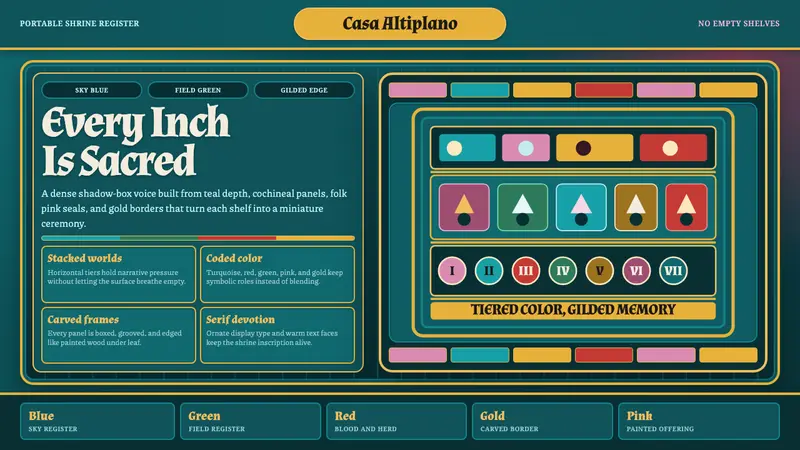 Ayacucho Retablo BoxSacred density. Deep teal shelves pack turquoise, cochineal, folk pink, and gold.
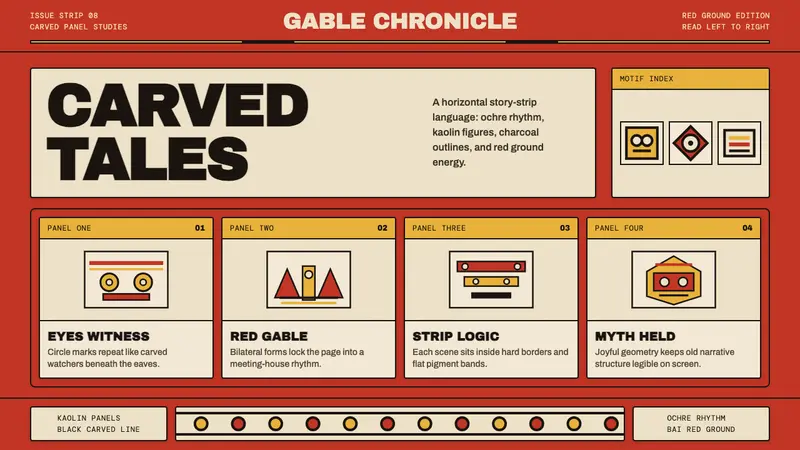 Palauan Bai StoryboardNarrative hits like carved wood. Bai red, ochre bands, kaolin panels, black outlines.