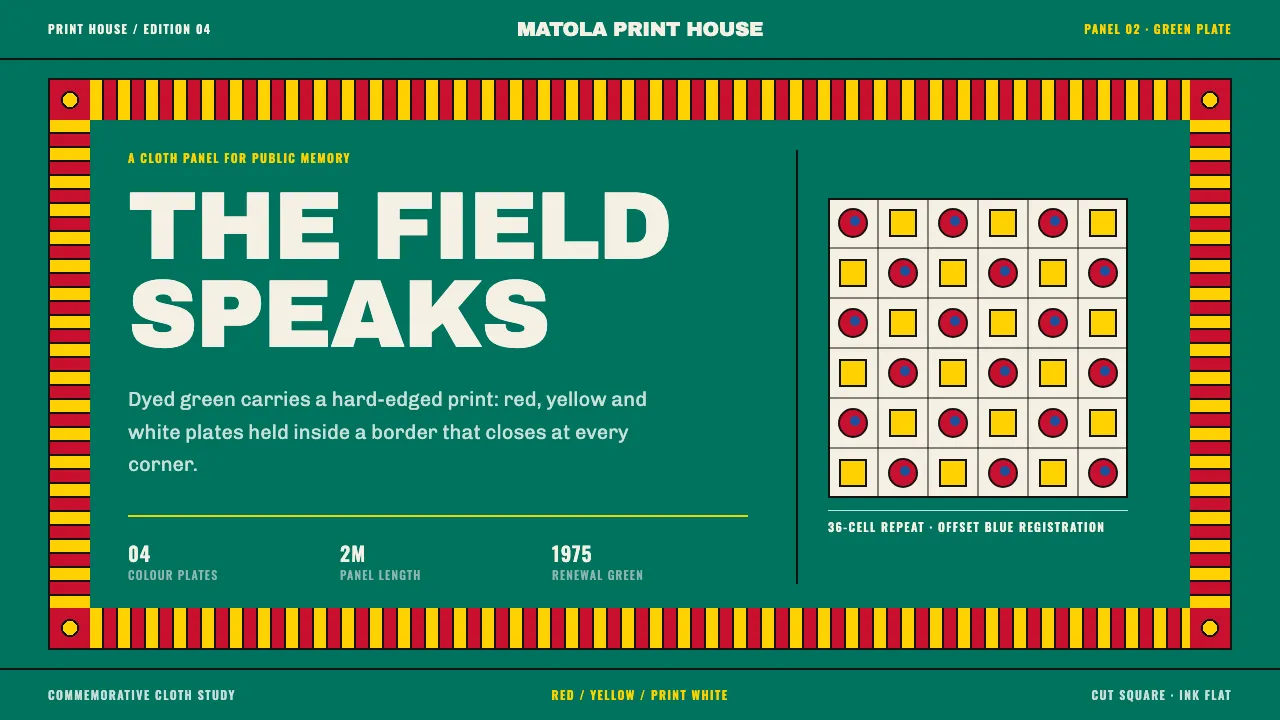
About Mozambican Capulana
A capulana is a printed cotton panel about two metres by one, worn wrapped, slung as a baby carrier, tied as a headwrap, hung on a wall. The format arrived by sea from the sarong and the sari, then Mozambique added the thing that makes it local: a printed border running the full perimeter, holding its own pattern apart from the field it frames.
For four decades that field carried politics. Frelimo prints, Women's Day commemoratives, provincial maps ringed with spears and Nguni shields. This system takes the panel literally — square corners, flat opaque ink, a hard black outline, and colour plates that sit a hair off register.
- Origin
- Mozambique; Indian Ocean trade routes to India and Indonesia
- Era
- 1950–1990 (trade-cloth format far older; commemorative print peaks around independence in 1975)
- Key figures
- Josina Machel · Organização da Mulher Moçambicana
- Movements
- Indian Ocean trade textiles · wax and batik cotton printing · Frelimo-era commemorative cloth
Mozambican Capulana design spec
Colors
Typography
The other 11 sections — buttons, cards, spacing, motion, techniques and more — open once you unlock. Download the DESIGN.md or send it to your AI in one click. Unlock once, yours forever.
Sign up nowStyles similar to Mozambican Capulana
Also inspired by crafts & folk art, with a close feel.
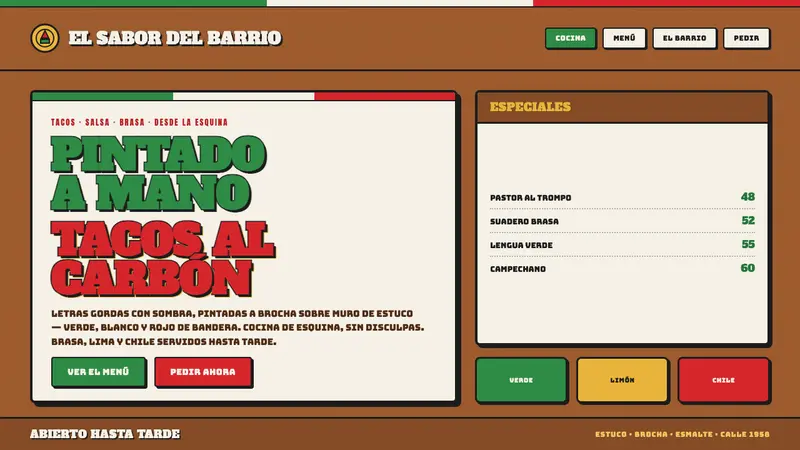 Mexican Taqueria Rotulo SignageStreet craft over polish. Fat outlined letters, hard offset shadows, flag colors on terracotta.
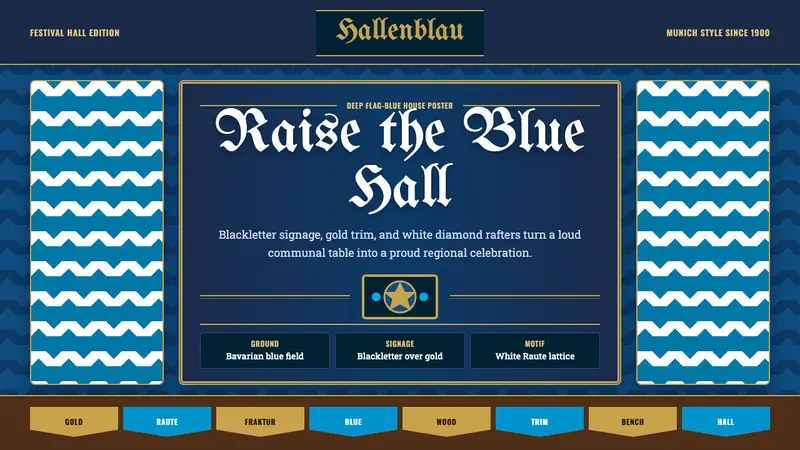 Bavarian Beer HallHearty regional ceremony. Deep flag-blue, Fraktur signage, gold trim, and white Raute diamonds.
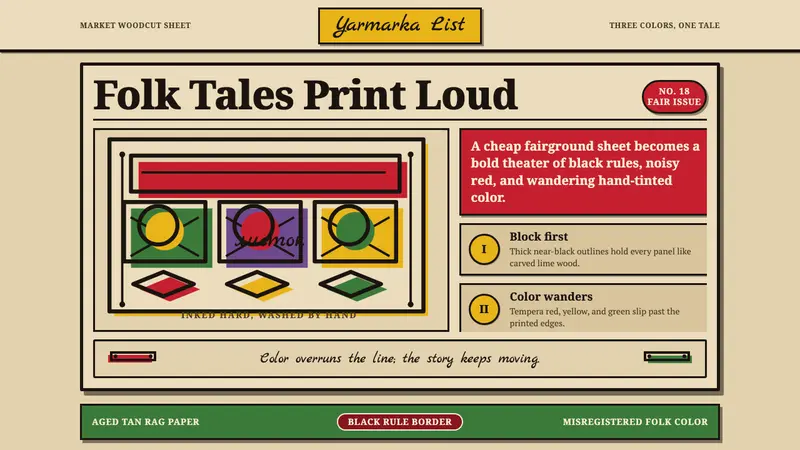 Russian LubokFolk print sings. Tan rag paper, black woodcut rules, red and green fills misregister.
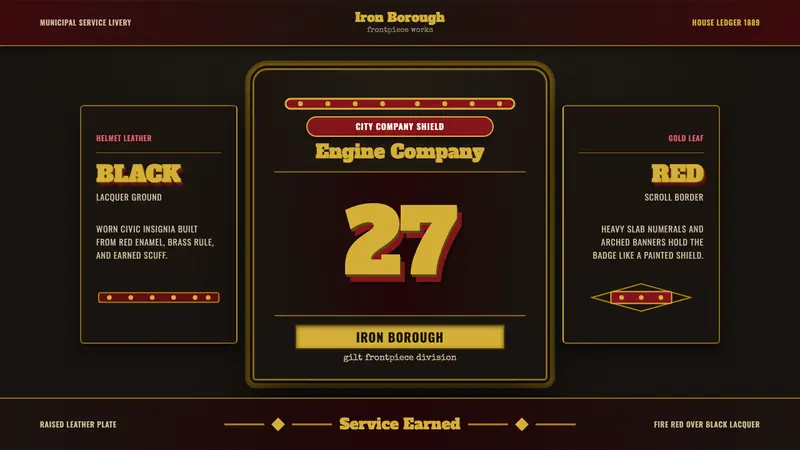 Fire Brigade ShieldEarned civic armor. Gold leaf numerals, fire-red borders, black leather symmetry.