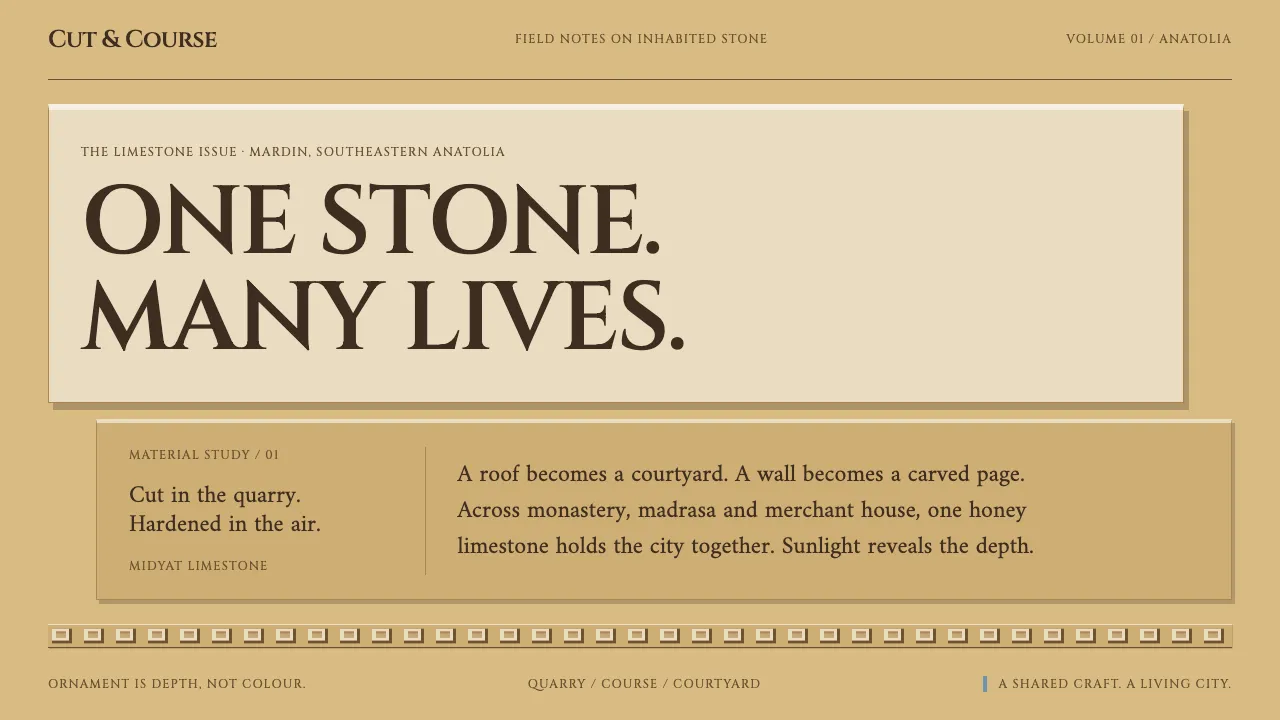
About Mardin Stone Terraces
Mardin is one material. Midyat limestone comes out of the ground soft enough to cut with a hand chisel and hardens in the open air, so the entire city — madrasa, monastery, merchant house — is carved rather than assembled.
The town steps down a hillside above the Mesopotamian plain, each roof serving as the terrace of the house above. This system takes that literally: stacked horizontal bands, cut edges, hard cast shadows, and ornament that exists as depth in the surface rather than colour on top of it.
- Origin
- Mardin, southeastern Anatolia, Turkey
- Era
- 12th–14th c. Artuqid through late Ottoman; still the living building fabric today
- Key figures
- Artuqid patrons of the Zinciriye Madrasa · Artuqid patrons of the Kasımiye Madrasa · the Syriac Orthodox community of Deyrulzafaran Monastery · Mardin's hereditary stone-carving families
- Movements
- Artuqid and Ottoman stone architecture · Syriac Christian monastic building · Mesopotamian vernacular terrace urbanism
Mardin Stone Terraces design spec
Colors
Typography
The other 11 sections — buttons, cards, spacing, motion, techniques and more — open once you unlock. Download the DESIGN.md or send it to your AI in one click. Unlock once, yours forever.
Sign up nowStyles similar to Mardin Stone Terraces
Also inspired by architecture & places, with a close feel.
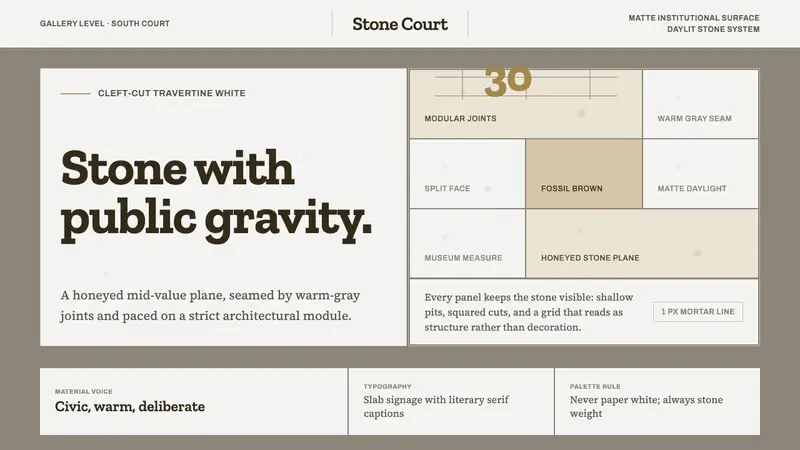 Getty Center Travertine WhiteStone has gravity. Honeyed travertine planes are cut by warm-gray modular seams.
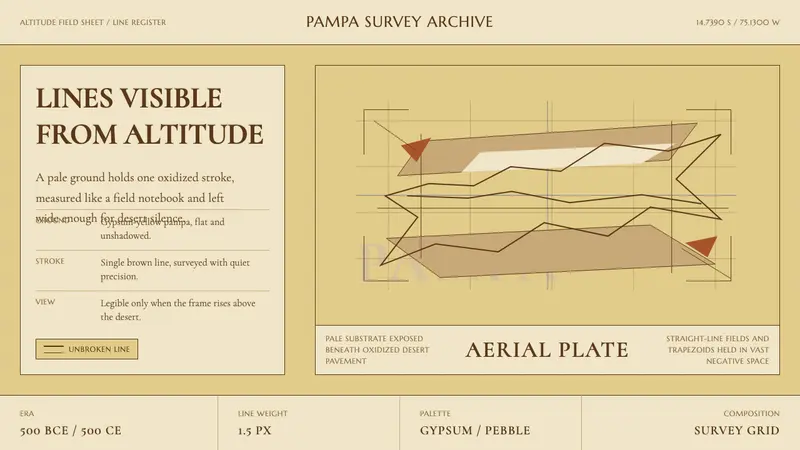 Peruvian Nazca Lines (Geoglyph)Vastness holds the line. Gypsum ground, pebble-brown strokes, and survey-grid silence.
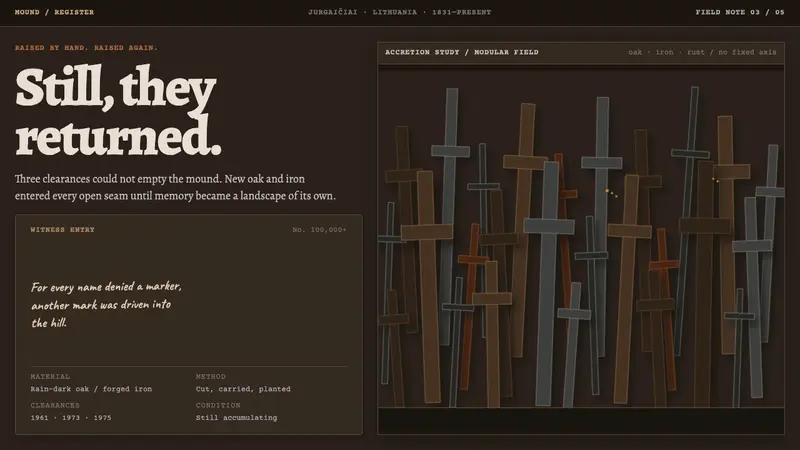 Hill of CrossesMemory returns by hand. Rain-black oak and rusted iron overlap until density becomes defiance.
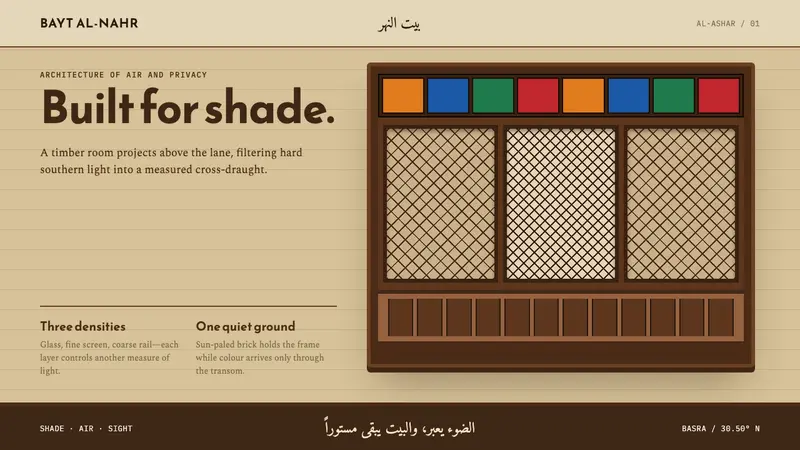 Basra ShanasheelClimate craft becomes ornament. Dark timber lattice projects over sun-paled Iraqi brick.