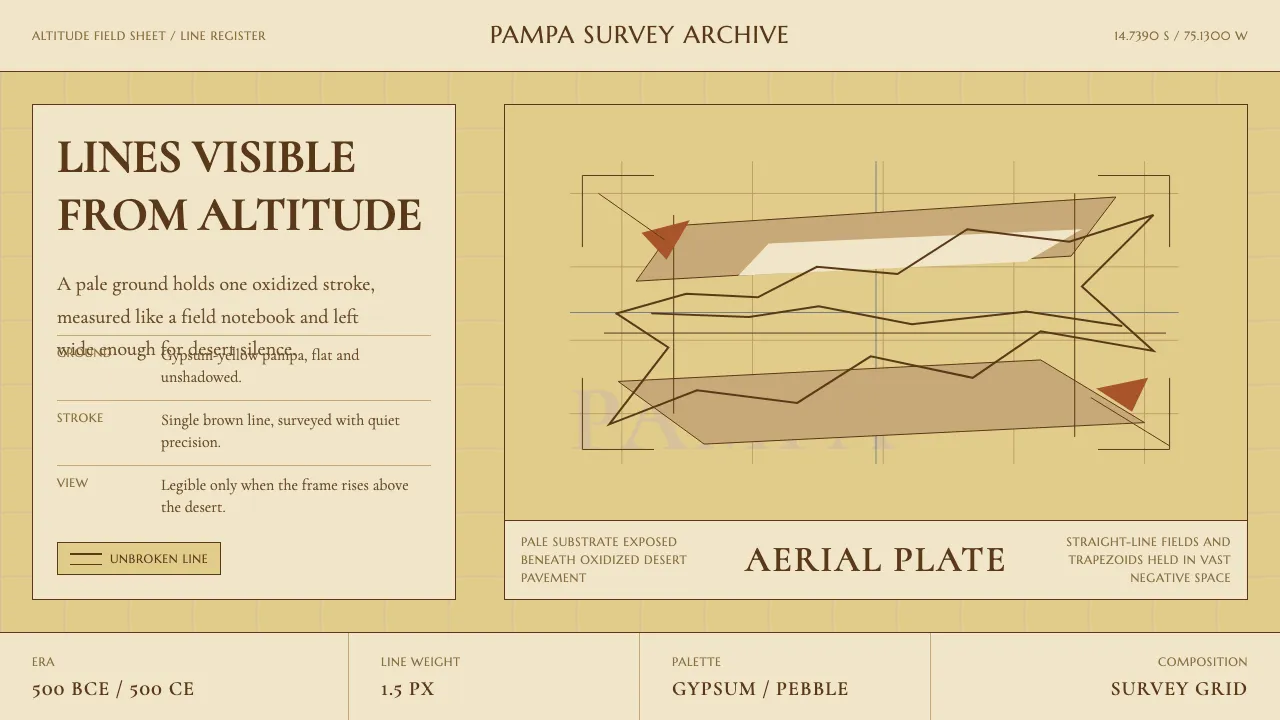
About Peruvian Nazca Lines (Geoglyph)
The Nazca Lines are the largest drawings ever made on the surface of the earth — geoglyphs scratched into a Peruvian desert pampa between 500 BCE and 500 CE by scraping dark oxidized pebbles to reveal pale gypsum-sand beneath. Hummingbirds, spiders, monkeys, and 800 straight lines emerge only from altitude.
This design system translates that aerial perspective into interface: a warm gypsum-yellow ground, oxidized-pebble-brown line work, survey-precise serif typography, and vast desert negative space. Every element is drawn in a single continuous stroke.
- Origin
- Peru, Nazca and Pampas de Jumana desert, Ica Region
- Era
- Nazca culture 500 BCE – 500 CE; aerial rediscovery 1927–1939; Reiche conservation 1946–1998
- Key figures
- Maria Reiche · Paul Kosok · Anthony Aveni · Helaine Silverman
- Movements
- pre-Inca Nazca culture · archaeoastronomy and ritual landscape · Maria Reiche conservation legacy
Peruvian Nazca Lines (Geoglyph) design spec
Colors
Typography
The other 11 sections — buttons, cards, spacing, motion, techniques and more — open once you unlock. Download the DESIGN.md or send it to your AI in one click. Unlock once, yours forever.
Sign up nowStyles similar to Peruvian Nazca Lines (Geoglyph)
Also inspired by architecture & places, with a close feel.
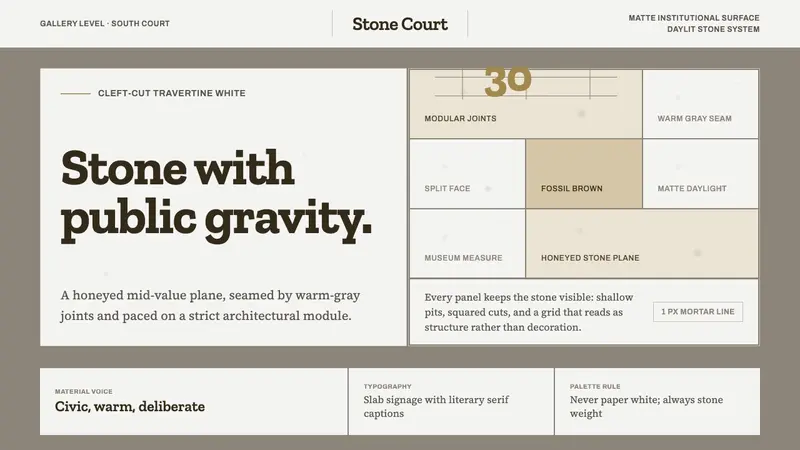 Getty Center Travertine WhiteStone has gravity. Honeyed travertine planes are cut by warm-gray modular seams.
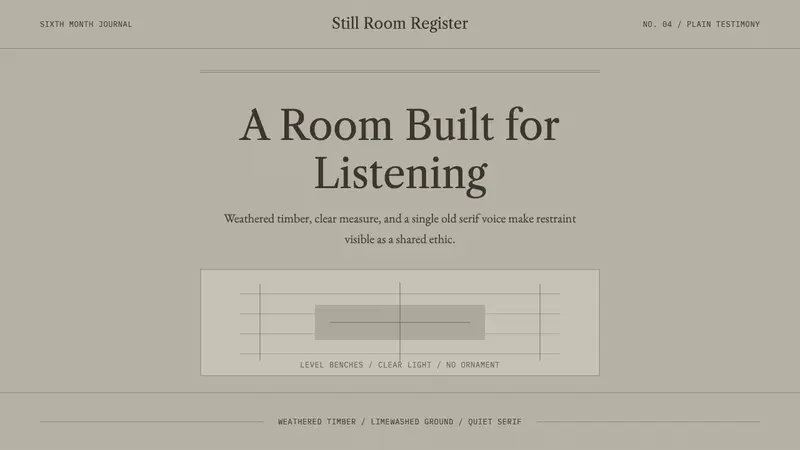 Quaker Plain StyleSilence made visible. Timber gray, Caslon serif, and bench-rule spacing leave only use.
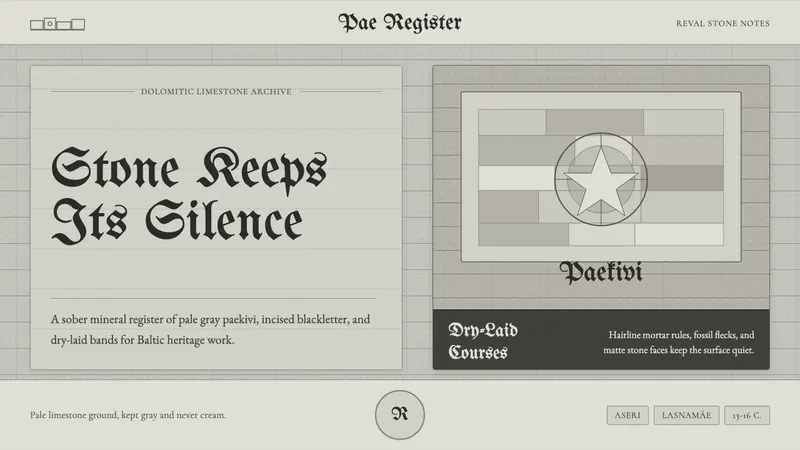 Estonian Limestone GrayStone keeps its silence. Limestone grays, blackletter, and dry-laid bands carry the weight.
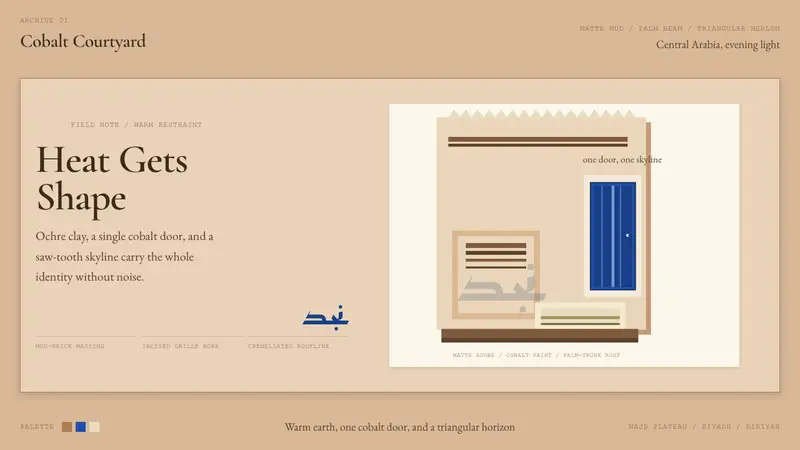 Saudi Najdi Vernacular ArchitectureHeat gets shape. Ochre clay, a single cobalt door, and a saw-tooth skyline.