About Haitian Vodou Flag (Drapo Vodou)
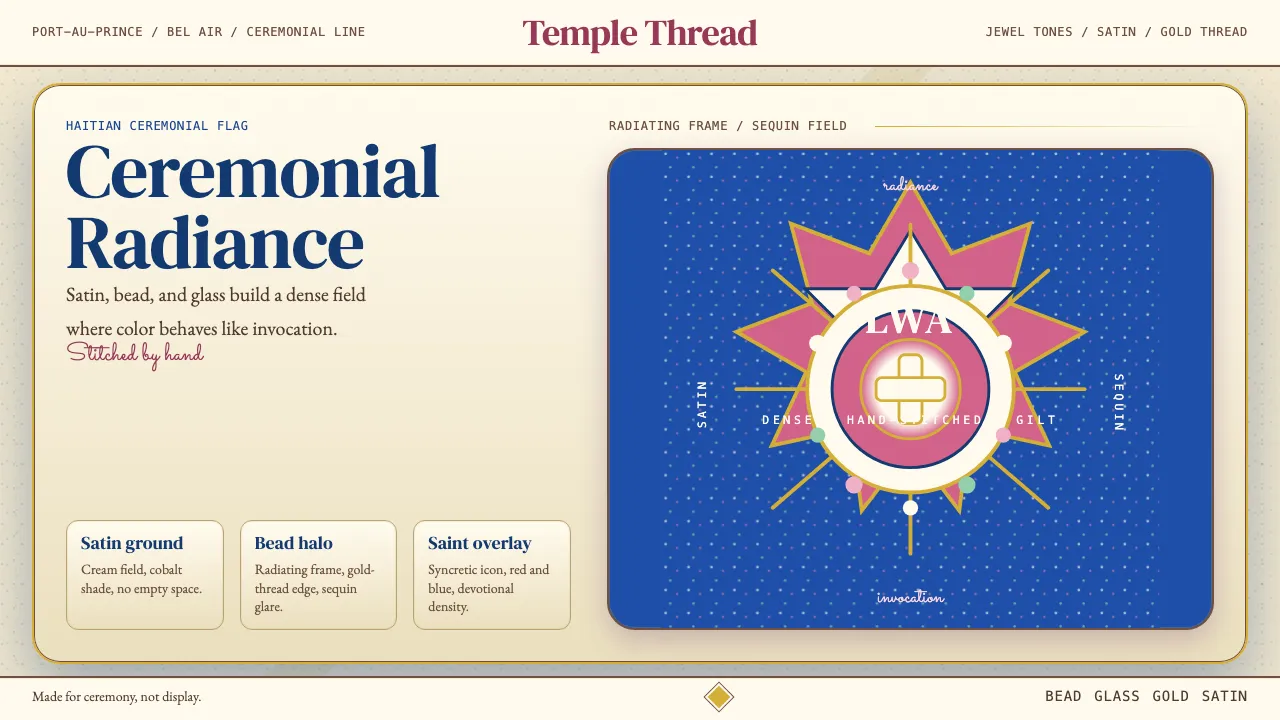
Drapo Vodou are Haiti's sequin-and-bead ceremonial banners — saturated satin panels hand-stitched with thousands of glass beads and metallic sequins, depicting *lwa* (Vodou deities) like Erzulie, Papa Legba, Damballa, and Baron Samedi. Born in Port-au-Prince peristils (temples) and canonized as global folk-art in the 1980s–1990s by masters like Sylva Joseph and Antoine Oleyant.
The aesthetic is maximally radiant: cobalt, magenta, emerald, vermilion, marigold, and gold sequins layered into figural portraits framed by radiating star-bursts. Catholic-saint iconography overlays Vodou cosmology, the syncretic signature of the tradition. Every flag glitters; restraint is foreign to it.
- Origin
- Haiti (Port-au-Prince + Bel-Air); Haitian diaspora in New York, Miami, Montreal, Paris
- Era
- c. 1791 Haitian Revolution roots; flag-making tradition 19c–20c; international folk-art recognition 1980s–1990s; contemporary 2020s practice
- Key figures
- Sylva Joseph · Antoine Oleyant · Mireille Delismé · Roudy Azor
- Movements
- Haitian Vodou syncretic religion · Afro-Caribbean folk-art tradition · 1990s global folk-art canonization
Haitian Vodou Flag (Drapo Vodou) design spec
Colors
Typography
The other 11 sections — buttons, cards, spacing, motion, techniques and more — open once you unlock. Download the DESIGN.md or send it to your AI in one click. Unlock once, yours forever.
Sign up nowStyles similar to Haitian Vodou Flag (Drapo Vodou)
Also inspired by crafts & folk art, with a close feel.
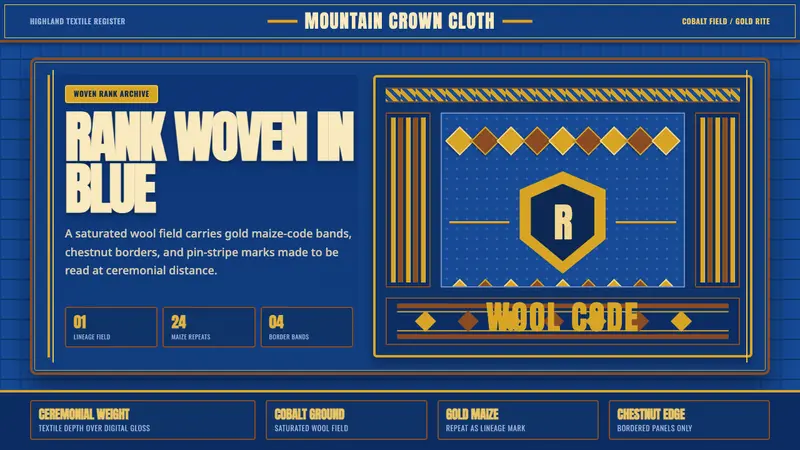 Basotho Seanamarena BlanketRank made visible. Cobalt wool, gold maize diamonds, and chestnut borders read like a crest.
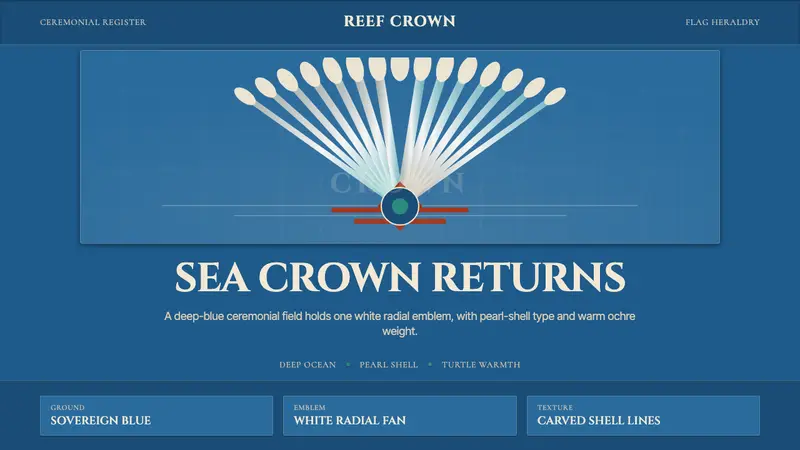 Torres Strait Dhari HeaddressCeremony becomes heraldry. Deep ocean blue centers a white radial fan and pearl-shell type.
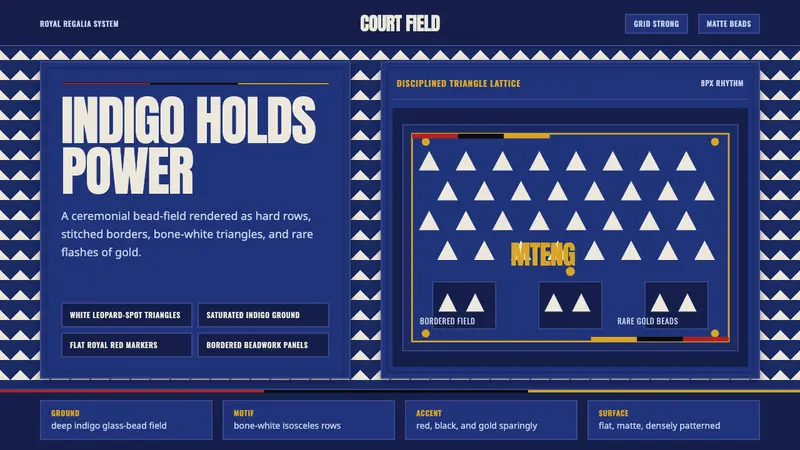 Bamileke Elephant MaskRoyal density. Indigo bead fields lock white triangle rows into ceremonial power.
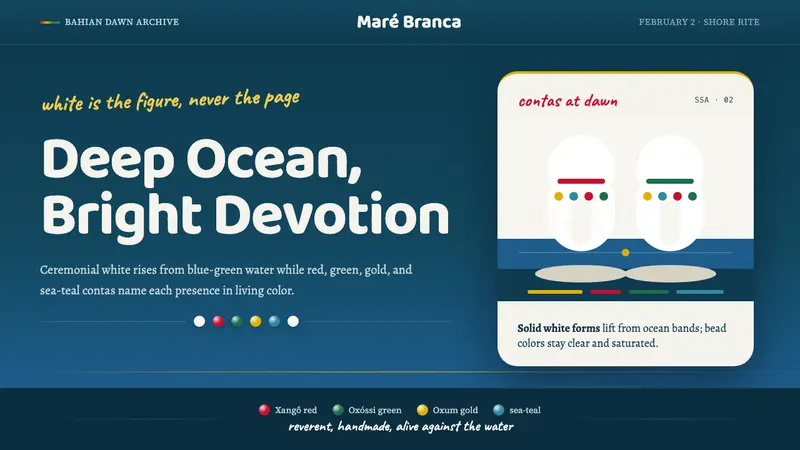 Candomblé OrixáReverent but alive. Ocean blue carries white figures and saturated bead-color strands.