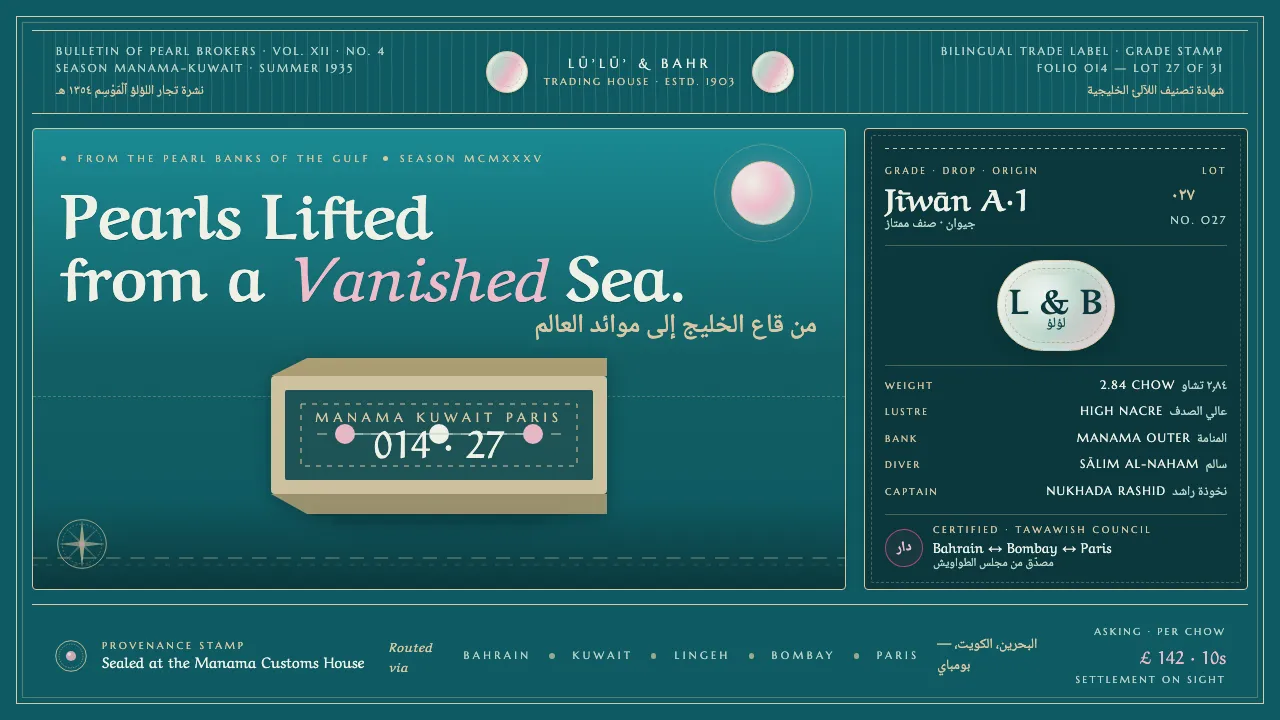
About Gulf Pearl Trade Era
Before oil, the Arabian Gulf ran on pearls. Bahrain handled the lion's share of Gulf pearl turnover and Kuwait was a major pre-1930s port, their dhows returning each season laden with oysters prised from the seabed by free-diving pearl divers. The trade left a visual culture of weathered labels and posters: deep sea-teal water, dhow silhouettes, pearl-white luminance, and bilingual Arabic-English trading stamps.
This design system distills that maritime trade-label tradition — sea-teal grounds, mother-of-pearl iridescence, perforated stamp edges, and engraved small-caps Latin set beside flowing Naskh and ruq'ah Arabic.
- Origin
- Arabian Gulf (Bahrain, Kuwait)
- Era
- 1900s–1930s (pre-oil pearling, peak before the 1930s crash)
- Key figures
- Gulf pearl merchants (tawawish) · Dhow captains (nukhada) · Bilingual trading houses
- Movements
- Pre-oil maritime trade-label design · Bilingual Arabic-English stamp craft · Gulf pearling economy
Gulf Pearl Trade Era design spec
Colors
Typography
The other 11 sections — buttons, cards, spacing, motion, techniques and more — open once you unlock. Download the DESIGN.md or send it to your AI in one click. Unlock once, yours forever.
Sign up nowStyles similar to Gulf Pearl Trade Era
Also inspired by crafts & folk art, with a close feel.
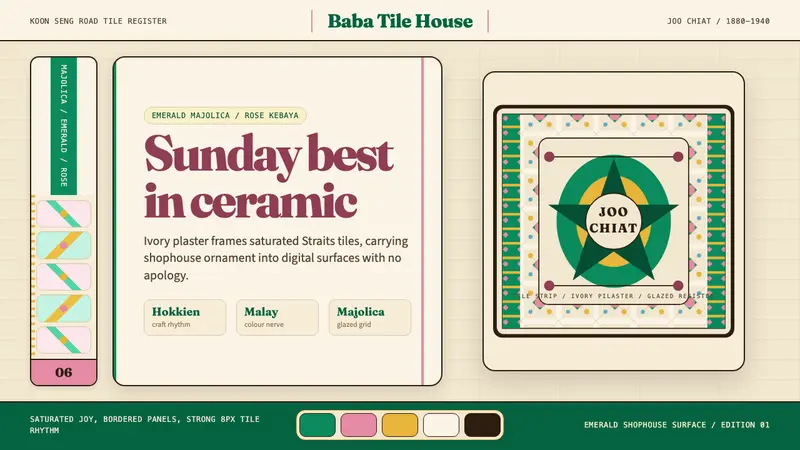 Peranakan Shophouse Tile (Joo Chiat)Ornament without apology. Emerald tile grids and Fraunces shopfront type carry the joy.
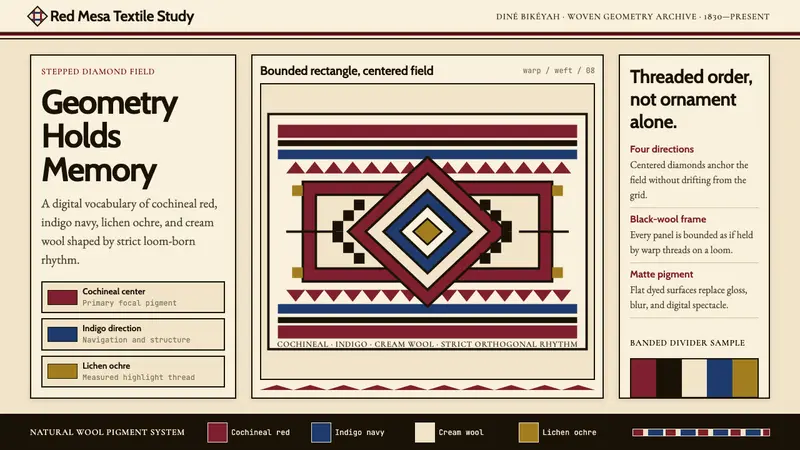 Navajo BlanketGeometry carries memory. Cochineal, indigo, and cream wool form strict stepped diamonds.
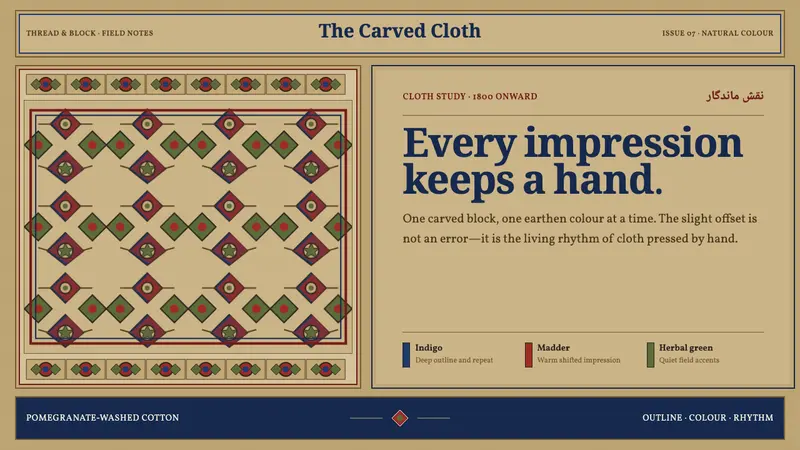 Isfahan Qalamkar PrintEvery impression keeps a hand. Indigo and madder repeats shift softly across pomegranate-tan cloth.
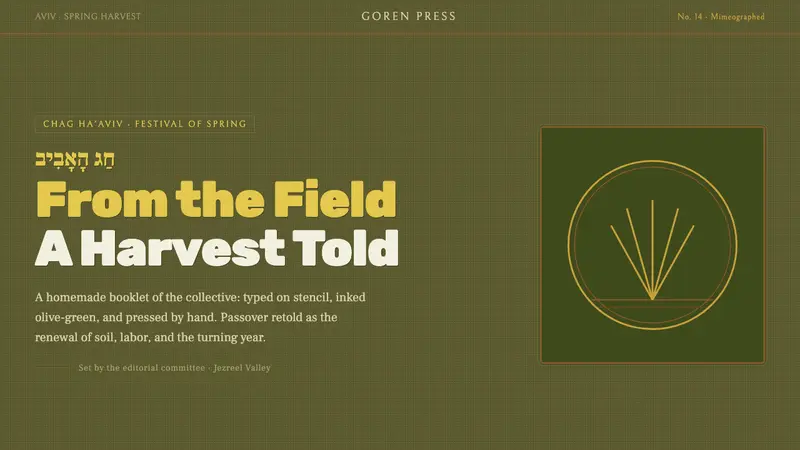 Kibbutz HaggadahHandmade harvest page. Olive stencil stock, wheat serif, deckled linocut geometry.