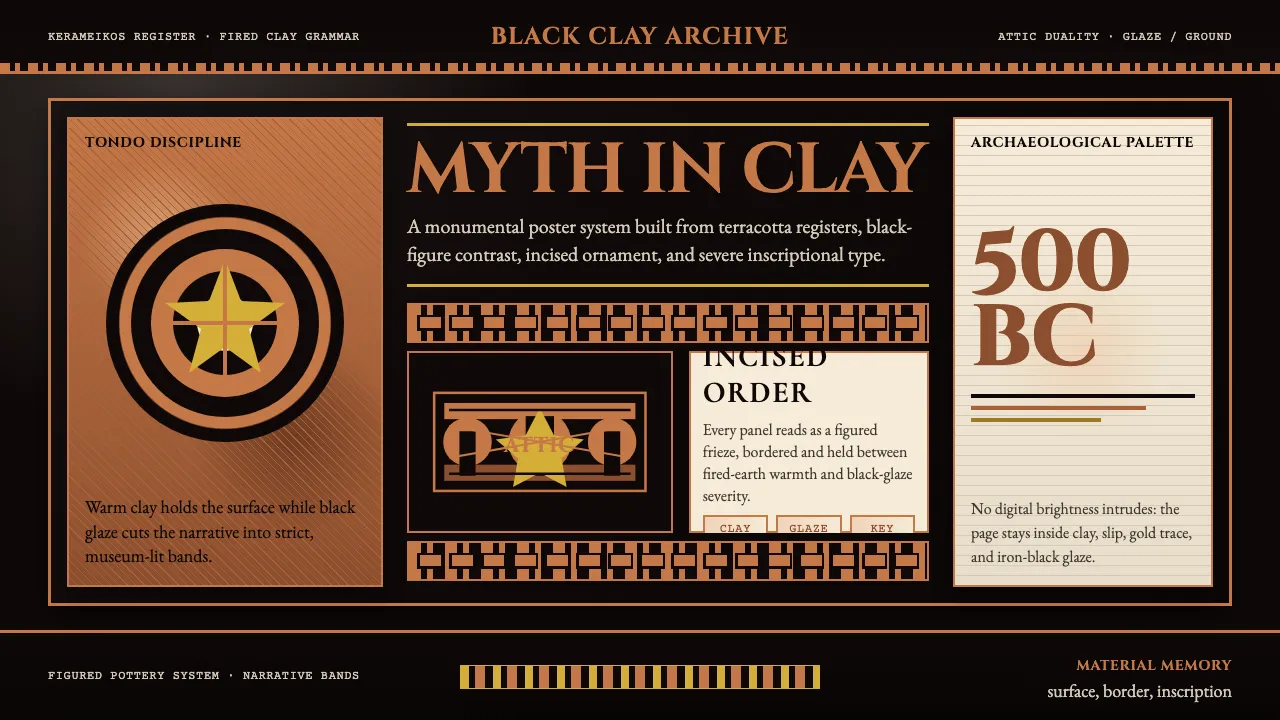
About Greek Vase Attic (500 BC)
Black glaze meets terracotta ground — the visual language of Attic vase painting distilled into interface tokens. This system channels the monumental narrative tradition of Exekias and Euphronios: jet-black silhouettes, warm orange clay-body, incised line detail, and Greek-key ornament framing every composition like a figured frieze.
The palette is rigorously archaeological — no digital brightness intrudes on the canonical black-figure/red-figure duality. Typography draws from classical inscription traditions, and every surface carries the material memory of fired Athenian clay.
- Origin
- Athens (Attica), Greece — Kerameikos pottery district
- Era
- Attic black-figure c. 620–480 BCE; red-figure c. 530–320 BCE; peak 500–400 BCE
- Key figures
- Exekias · Andokides Painter · Euphronios · Brygos Painter
- Movements
- Archaic Greek pottery tradition · Attic vase-painting workshop heritage · European Grand Tour collecting
Greek Vase Attic (500 BC) design spec
Colors
Typography
The other 11 sections — buttons, cards, spacing, motion, techniques and more — open once you unlock. Download the DESIGN.md or send it to your AI in one click. Unlock once, yours forever.
Sign up nowStyles similar to Greek Vase Attic (500 BC)
Also inspired by art & artists, with a close feel.
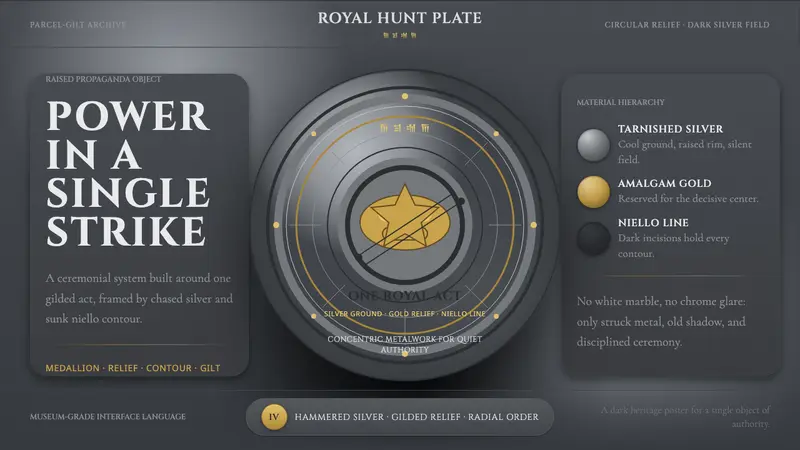 Sasanian Silver PlateRegal metal, held in silence. Tarnished silver frames one restrained gold relief.
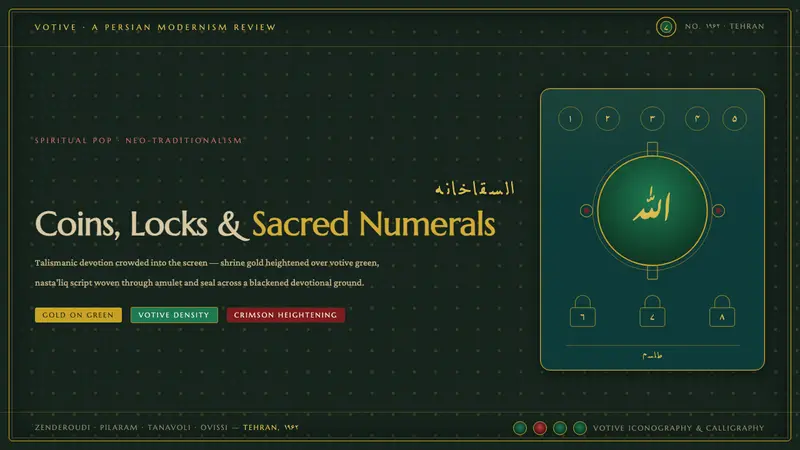 Saqqakhaneh MovementSpiritual Pop with a shrine pulse. Coins, locks and nasta'liq in gold over blackened votive green.
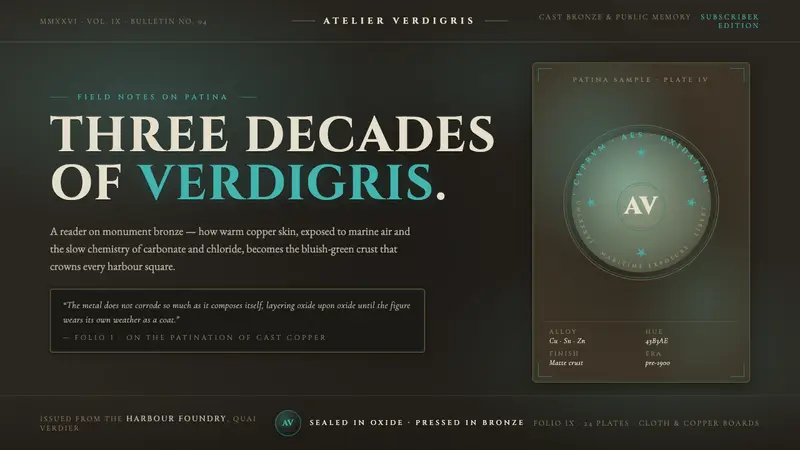 Bronze Patina StatueThree decades of weather, worn as a coat. Verdigris crust on dark bronze, engraved Roman capitals.
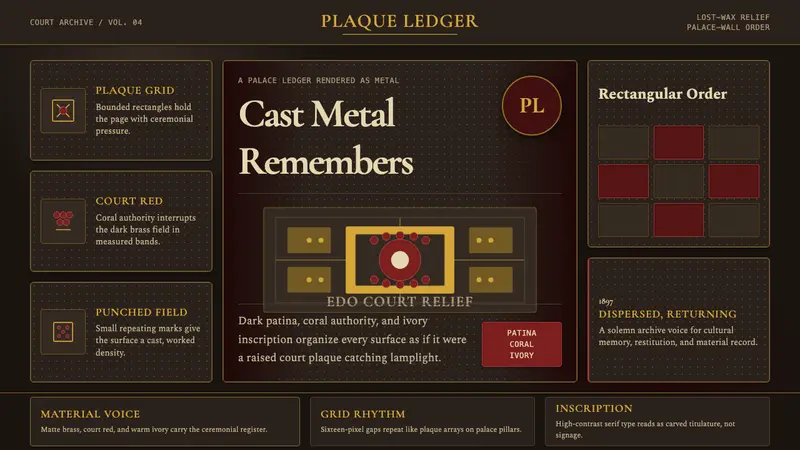 Benin Bronze Oba CourtCourt gravity in cast metal. Patinated brass grid, coral red panels, ivory serif relief.