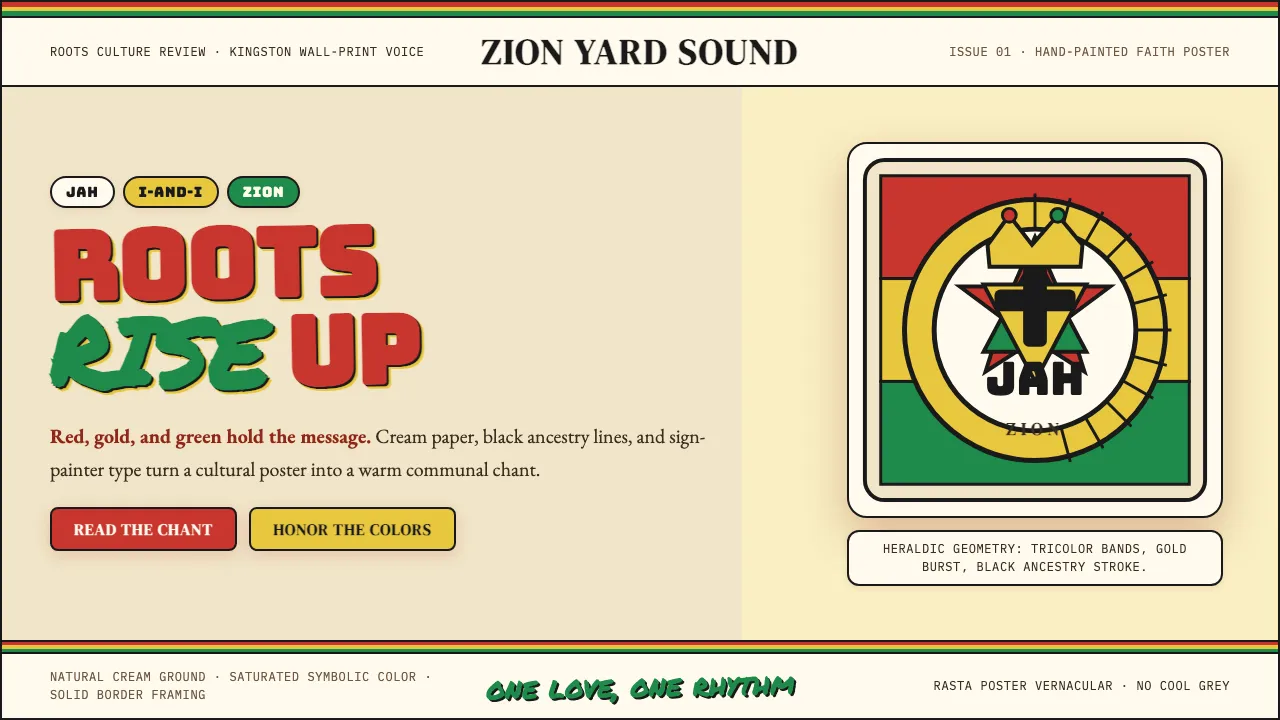
About Caribbean Rastafarian (Jamaica)
Caribbean Rastafarian design is the visual language of a spiritual-political movement born in 1930s Jamaica around the divinity of Emperor Haile Selassie, broadcast worldwide through Bob Marley's reggae and Neville Garrick's album covers. Its discipline is strict: saturated red, gold, and green tricolor bands, lion-of-Judah heraldry, deep black ancestry-typography, and cream natural-textile ground.
The signature is hand-painted reggae-poster vernacular — slightly irregular sign-writing, chunky display lockups, and Ethiopian-Orthodox iconography handled with reverence. Words like "Jah", "I-and-I", "Zion" function as graphic motifs. It is loud, warm, communal, and unmistakably Pan-African.
- Origin
- Jamaica (Kingston / Trench Town / St. Ann); broader Caribbean and African diaspora
- Era
- 1930 founded (Leonard Howell, Jamaica); reggae visual peak 1973–1981 (Bob Marley); continuous practice through 21c
- Key figures
- Marcus Garvey · Leonard Howell · Haile Selassie I · Bob Marley · Neville Garrick
- Movements
- Rastafarianism · Reggae · Pan-Africanism · Post-colonial Caribbean cultural-identity
Caribbean Rastafarian (Jamaica) design spec
Colors
Typography
The other 11 sections — buttons, cards, spacing, motion, techniques and more — open once you unlock. Download the DESIGN.md or send it to your AI in one click. Unlock once, yours forever.
Sign up nowStyles similar to Caribbean Rastafarian (Jamaica)
Also inspired by pop culture, with a close feel.
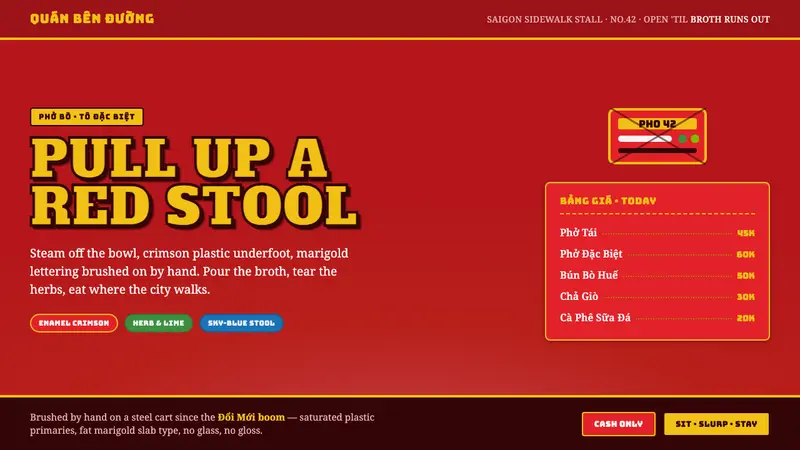 Vietnamese Pho Street CartEat where the city walks. Crimson enamel ground, fat marigold slab signage, broth-steam haze.
 Hong Kong Cha Chaan TengDemocratic diner warmth. Tram red, jade rules, cream menu cards, equal Cantonese-English type.
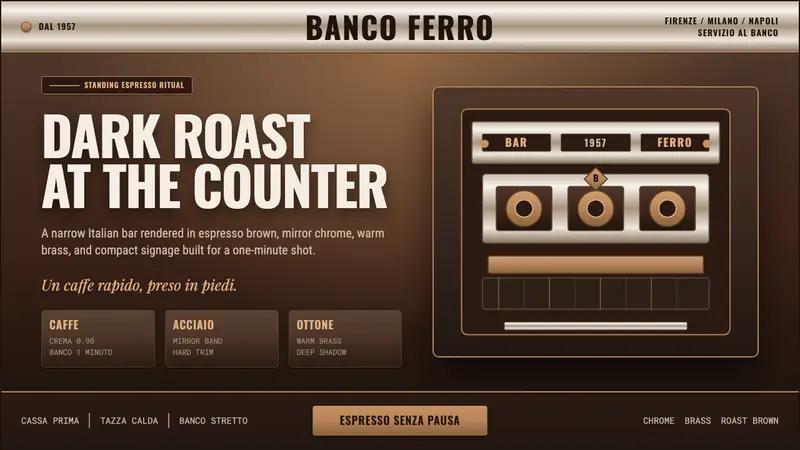 Italian Espresso BarDark roast, hard metal. Brass lines and Oswald signage slice a deep espresso ground.
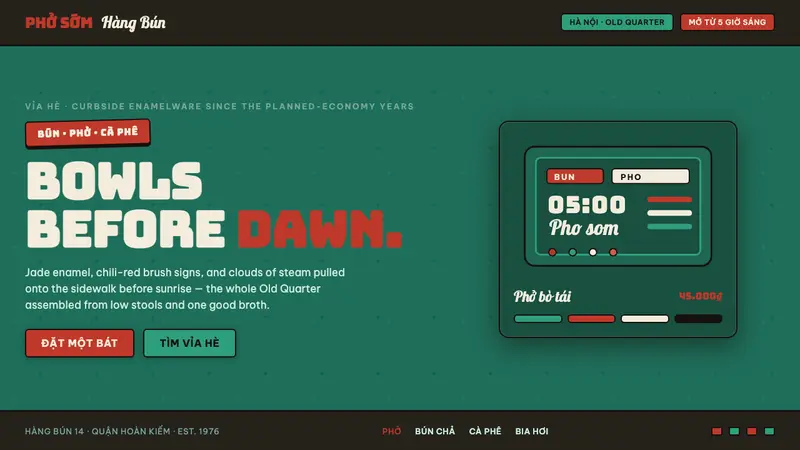 Phở Street-Stall EnamelHanoi's curbside noodle stall, systematized. Jade enamel ground, chili-red brush signage, dark rims.