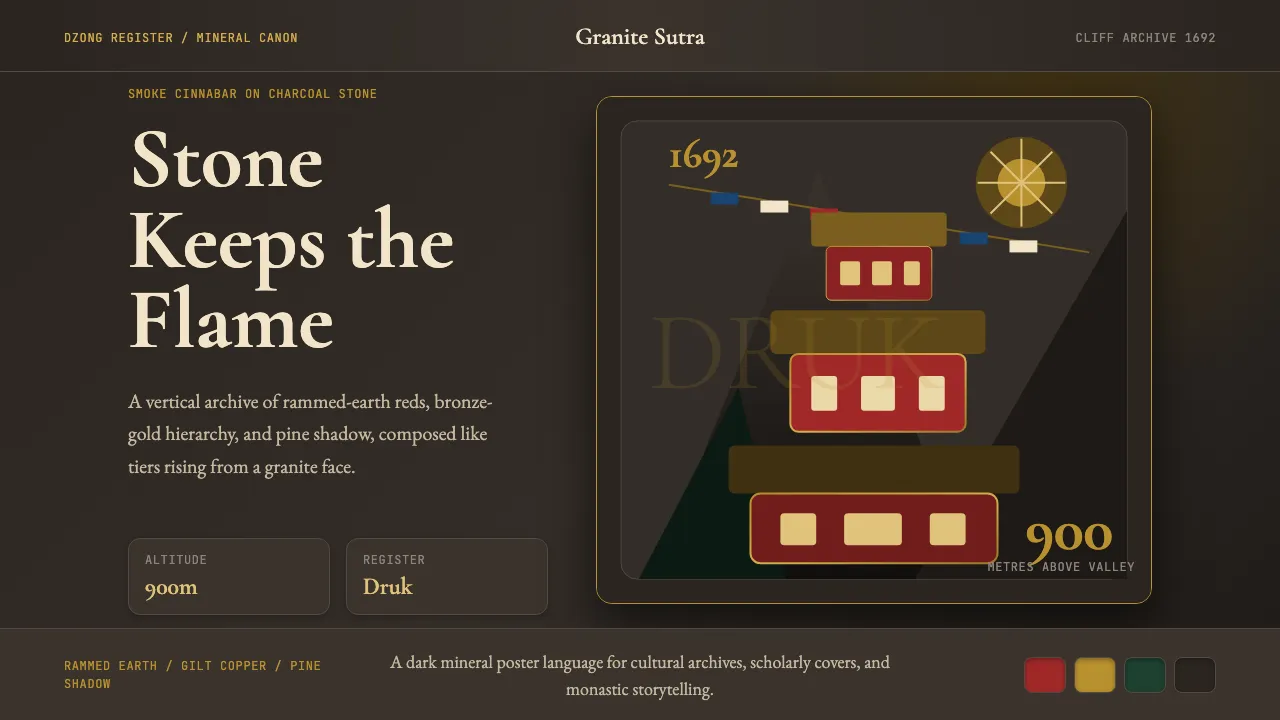
About Bhutanese Tiger's Nest Cliff Monastery
Paro Taktsang clings to a granite cliff 900 metres above the valley floor — a monastery built in 1692 into living rock. Its visual language distills centuries of Bhutanese architectural canon: rammed-earth cinnabar walls, bronze-gold gilt finials catching Himalayan light, and prayer-flag silk strung across chasms.
This design system translates that mineral-grounded palette into interface: smoke red commands attention against charcoal granite ground, bronze-gold marks sacred hierarchy, and deep pine green anchors the composition in the conifer forests below.
Learn more about the Bhutanese Tiger's Nest Cliff Monastery style
- Origin
- Paro Valley, Bhutan
- Era
- 1692 founding; visual canon from 17th-c. Zhabdrung unification through present Wangchuck dynasty
- Key figures
- Zhabdrung Ngawang Namgyal · Tenzin Rabgye · Padmasambhava · King Jigme Khesar Namgyel Wangchuck
- Movements
- Drukpa Kagyu Buddhism · Zhabdrung-era architectural unification · Dzong fortress tradition
Bhutanese Tiger's Nest Cliff Monastery design spec
Colors
Typography
The other 11 sections — buttons, cards, spacing, motion, techniques and more — open once you unlock. Download the DESIGN.md or send it to your AI in one click. Unlock once, yours forever.
Sign up nowStyles similar to Bhutanese Tiger's Nest Cliff Monastery
Also inspired by architecture & places, with a close feel.
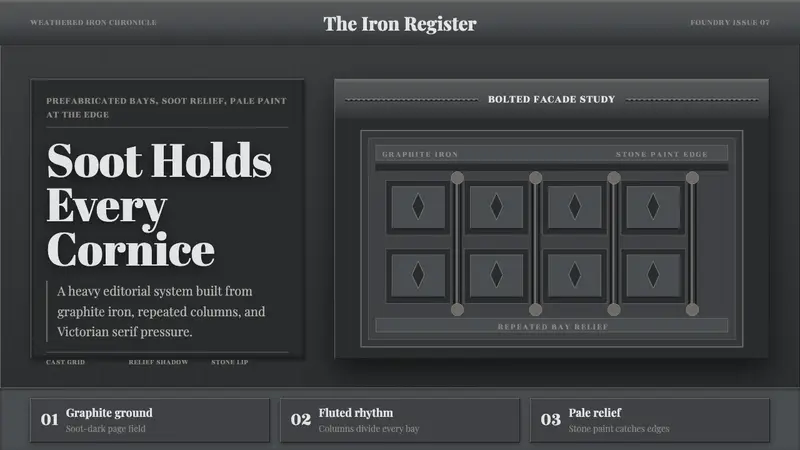 Cast Iron SoHo FacadesIron remembers the city. Graphite bays, Didone type, and pale stone-paint edges cast relief.
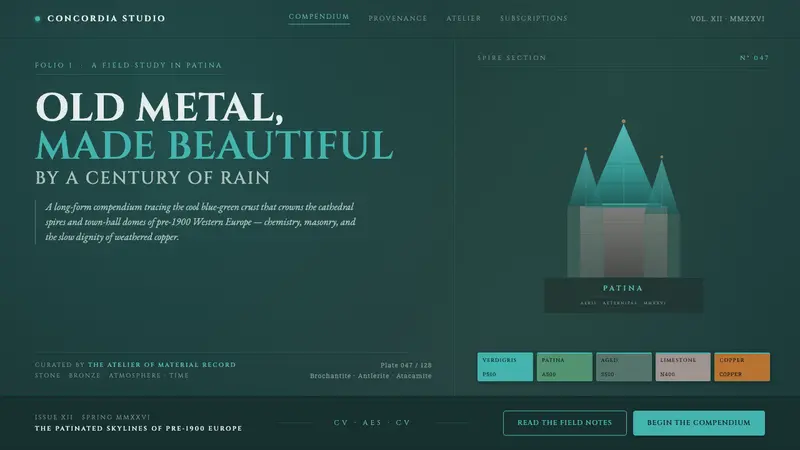 Verdigris Copper RoofOld metal made beautiful by decay. Cool cyan-green patina on dark teal, with Cinzel capitals carved.
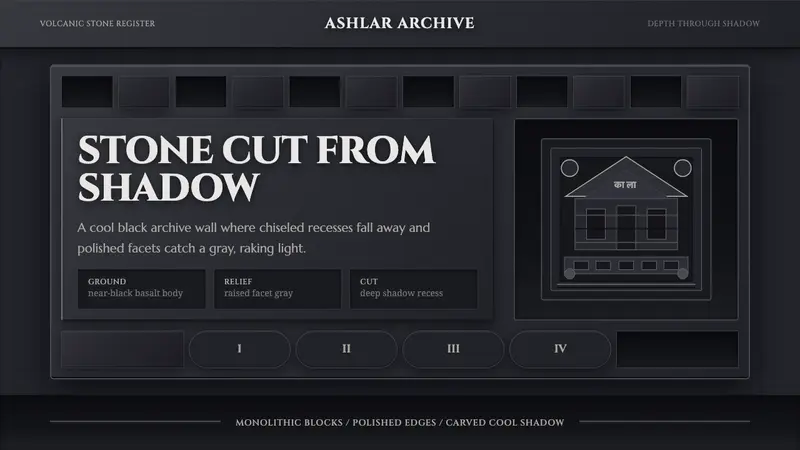 Deccan Basalt TempleMonumental shadow, carved. Near-black basalt, Cinzel capitals, and relief grids catch gray light.
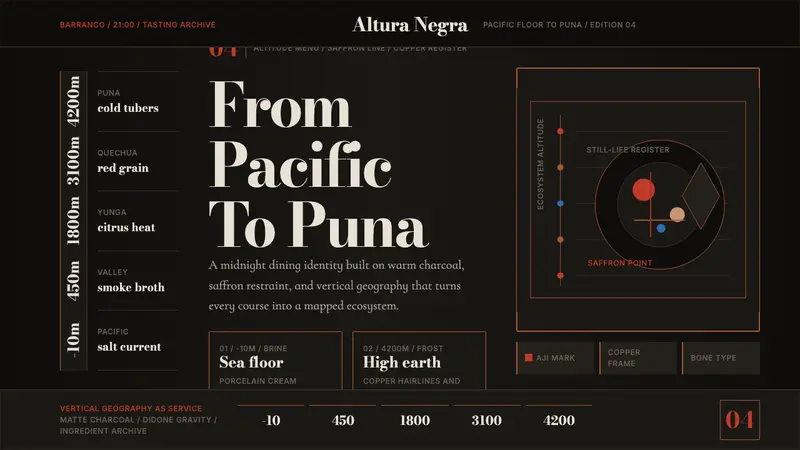 Lima Nuevo Andino CuisineAltitude turns luxurious. Charcoal fields, copper hairlines, and saffron-red vertical rhythm.