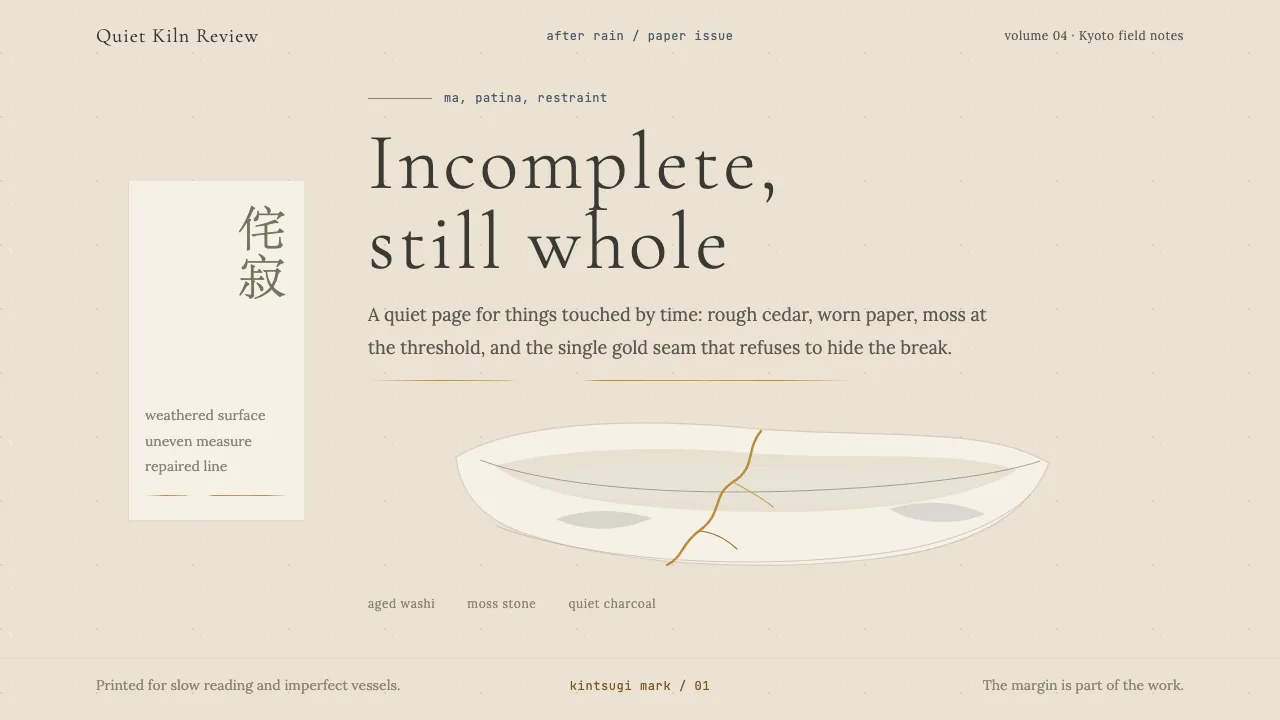
About Wabi-Sabi
Wabi-sabi is a Japanese aesthetic philosophy rooted in Zen Buddhism and the 16th-century tea ceremony. It finds beauty in imperfection, transience, and incompleteness — weathered wood over lacquer, asymmetry over balance, silence over noise.
Translated into interface design, wabi-sabi becomes a system of muted earth tones, abundant negative space (ma, 間), hand-textured surfaces, and deliberate restraint. Every element breathes; nothing competes for attention.
- Origin
- Japan, Kyoto
- Era
- 14th–16th century philosophical roots; tea ceremony codification ~1580s; ongoing influence
- Key figures
- Sen no Rikyū · Murata Jukō · Leonard Koren · Naoto Fukasawa
- Movements
- Zen Buddhism · tea ceremony (chanoyu) · kintsugi
Wabi-Sabi design spec
Colors
Background
Surface
Primary
Secondary
Accent
Text
Typography
Cormorant GaramondHeadings
LoraBody
JetBrains MonoMono
Unlock for 1 credit
The other 11 sections — buttons, cards, spacing, motion, techniques and more — open once you unlock. Download the DESIGN.md or send it to your AI in one click. Unlock once, yours forever.
Sign up nowHave an account? Sign in
Styles similar to Wabi-Sabi
Also inspired by crafts & folk art, with a close feel.
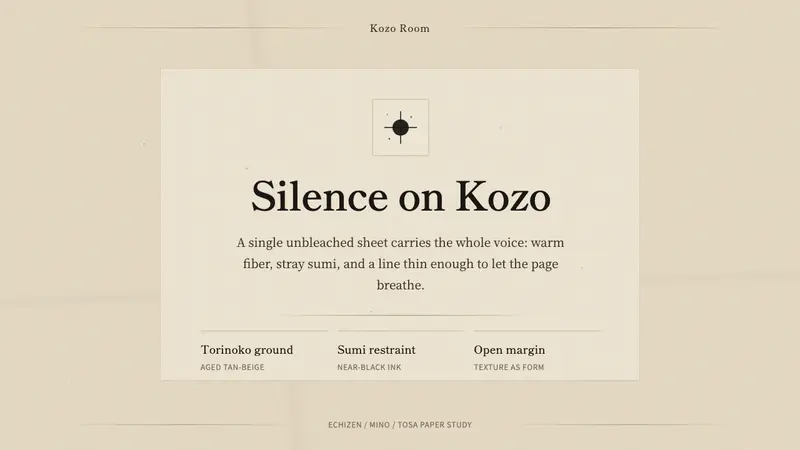 Washi Paper MinimalQuiet is material. Warm kozo grain, sumi specks, and hairline rules hold the page open.
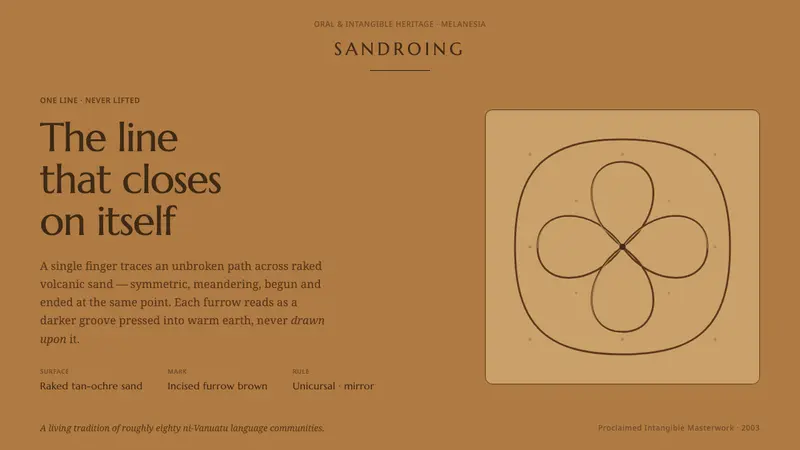 Vanuatu Sand DrawingOne finger-line, never lifted. Furrow-brown grooves a symmetric lattice into raked tan-ochre sand.
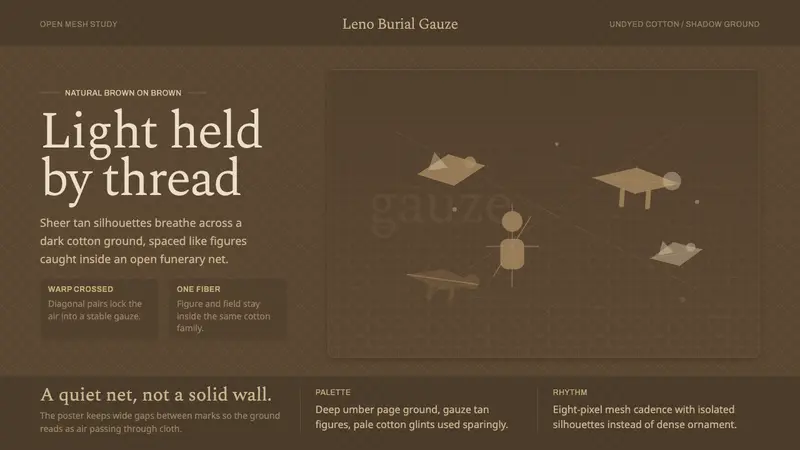 Chancay Gauze TextileQuiet woven dignity. Tan silhouettes float through a dark open cotton mesh.
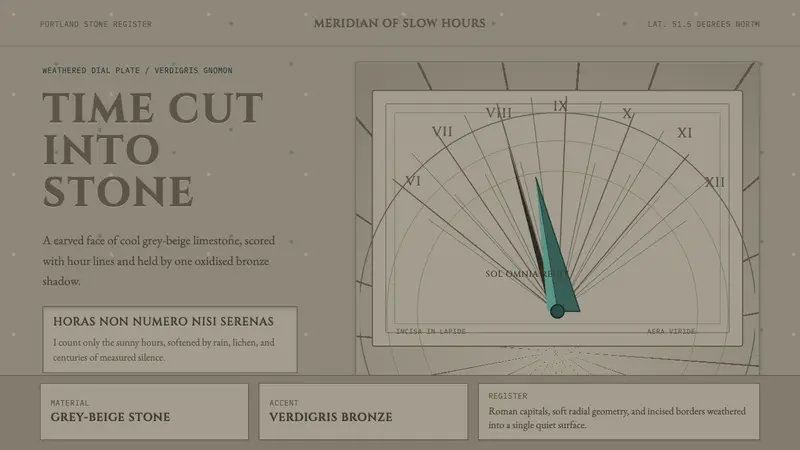 Engraved SundialStone refuses haste. Grey-beige hour lines and verdigris gnomon carve silence.