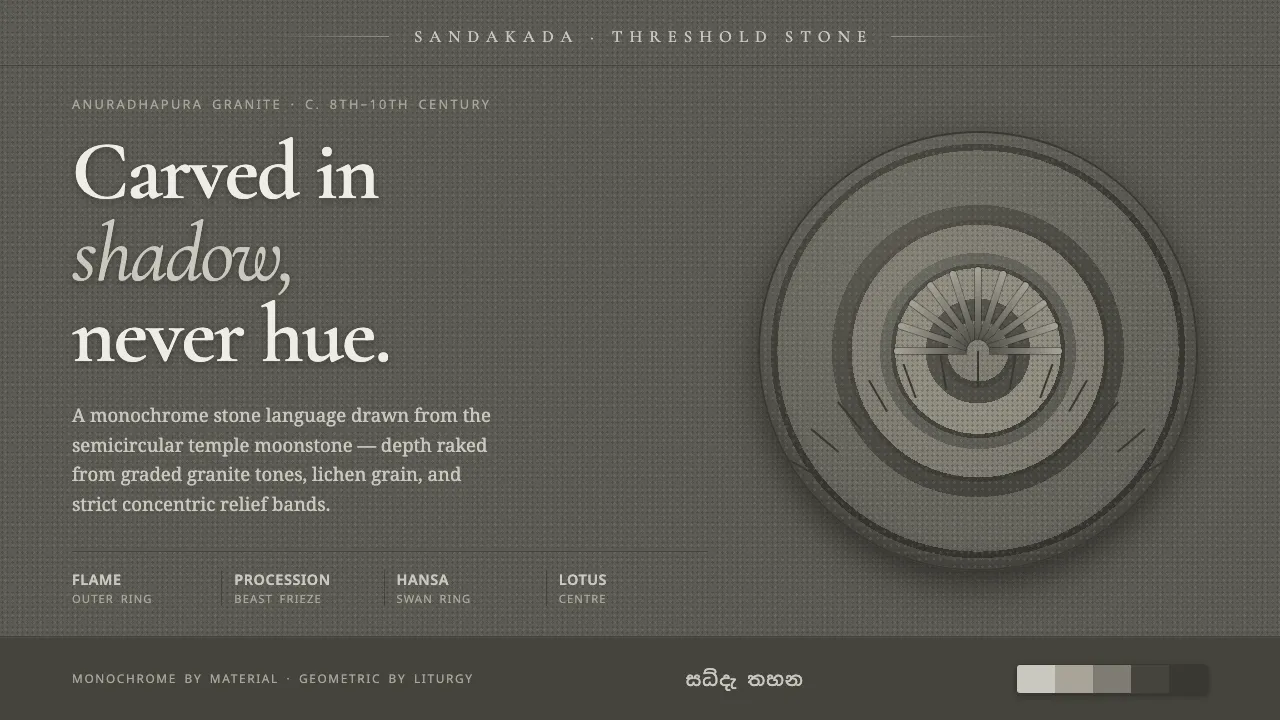
About Sandakada Pahana Moonstone
The sandakada pahana — the carved granite semicircular moonstone laid at the foot of Anuradhapura-era temple stairways — is one of the great achievements of Sinhalese Buddhist stone art. Concentric bands of flame, an elephant-horse-lion-bull procession, a ring of hansa swans, and a central half-lotus are cut in low relief into weathered, lichen-darkened granite.
This design system distills that worn-stone threshold into a digital language: graded gray tones standing in for value rather than hue, soft directional relief shadow, stone grain, and strict concentric semicircular geometry. There is no color accent anywhere — depth comes entirely from light raking across carved granite.
- Origin
- Anuradhapura, Sri Lanka (Buddhist temple thresholds)
- Era
- pre-1900 (Anuradhapura period, c. 8th–10th century granite carving tradition)
- Key figures
- Anuradhapura-era temple stone-carvers · anonymous Sinhalese master masons
- Movements
- Sinhalese Buddhist temple architecture · Anuradhapura granite relief carving
Sandakada Pahana Moonstone design spec
Colors
Typography
The other 11 sections — buttons, cards, spacing, motion, techniques and more — open once you unlock. Download the DESIGN.md or send it to your AI in one click. Unlock once, yours forever.
Sign up nowStyles similar to Sandakada Pahana Moonstone
Also inspired by crafts & folk art, with a close feel.
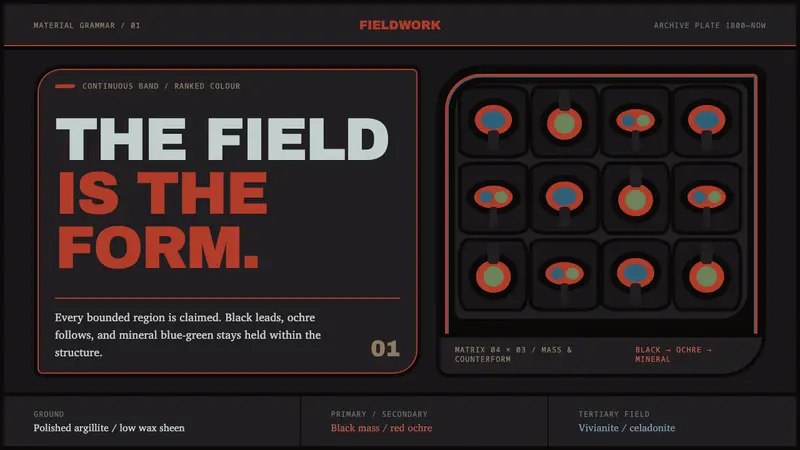 Haida FormlineEvery field is claimed. Black bands lead ochre and mineral blue-green through a dense grid.
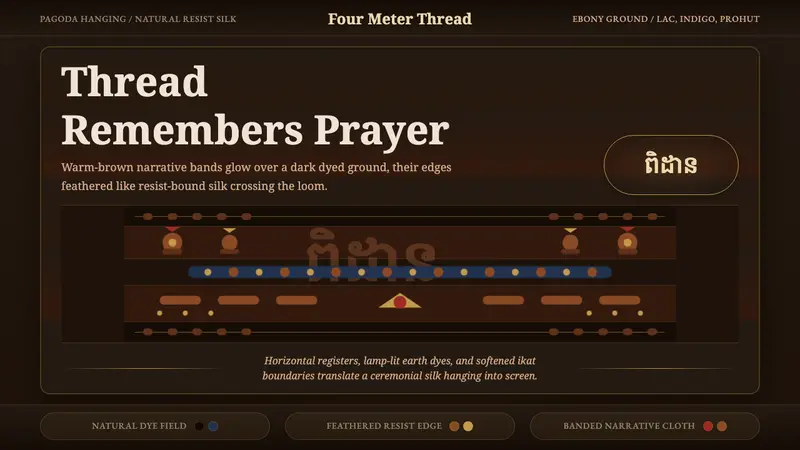 Cambodian Pidan IkatSacred cloth glows. Ebony-indigo bands carry warm-brown ikat figures with feathered edges.
 Ni-Vanuatu Slit Gong AmbrymSolemn wood made digital. Dark breadfruit brown, carved borders, red-ochre eye disks.
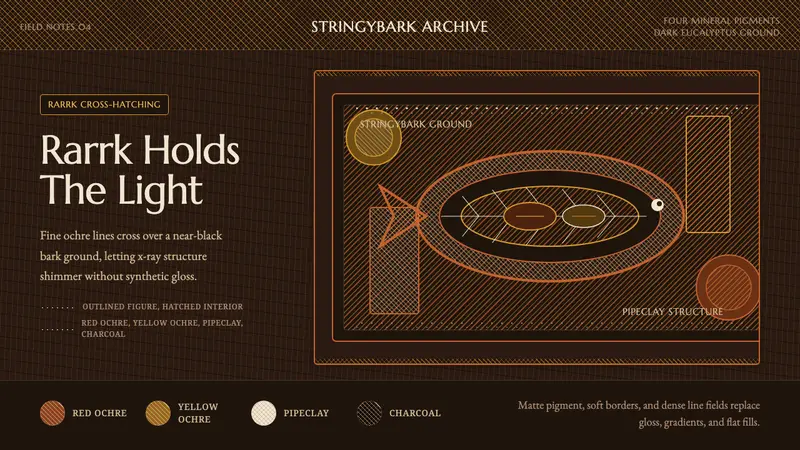 Arnhem X-Ray Bark PaintingShimmers without gloss. Ochre rarrk lines vibrate on dark stringybark.