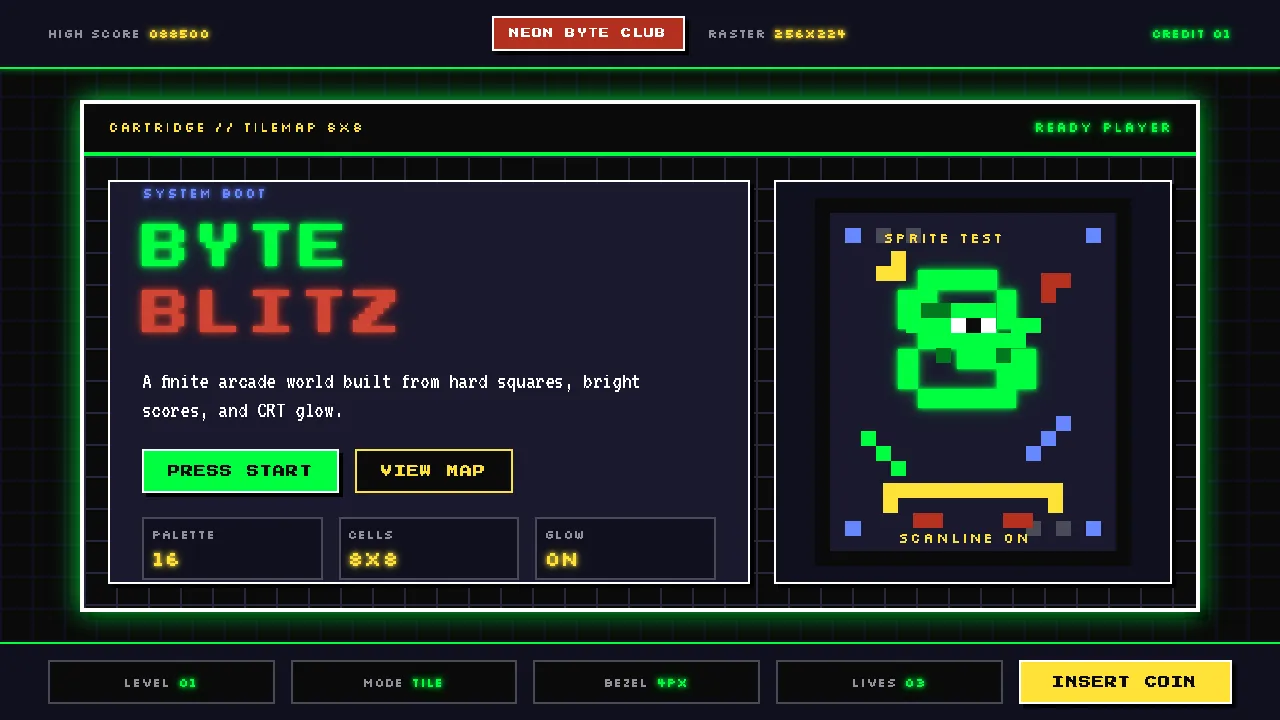
About Pixel Art / 8-bit Retro
Born in smoky arcades between 1978 and 1985, 8-bit pixel art turned hardware limits into a language. With 16-color palettes, 256×224 screens, and sprites drawn cell by cell on an 8×8 grid, designers like Iwatani, Miyamoto, and Nishikado rendered whole universes — Pac-Man's maze, Mario's mushroom kingdom, Space Invaders' descending fleet. A CRT's phosphor glow and scanlines fused with those sprites into an unmistakable visual: hard-edged, luminous, and unapologetically synthetic. It still says *insert coin*.
- Origin
- Tokyo, Japan & San Jose, California
- Era
- 1978–1985; arcade golden age and 8-bit home console era
- Key figures
- Toru Iwatani · Shigeru Miyamoto · Tomohiro Nishikado · Nolan Bushnell
- Movements
- Arcade golden age · Home console revolution · Chiptune & pixel art
Pixel Art / 8-bit Retro design spec
Colors
Typography
The other 11 sections — buttons, cards, spacing, motion, techniques and more — open once you unlock. Download the DESIGN.md or send it to your AI in one click. Unlock once, yours forever.
Sign up nowStyles similar to Pixel Art / 8-bit Retro
Also inspired by film, games & music, with a close feel.
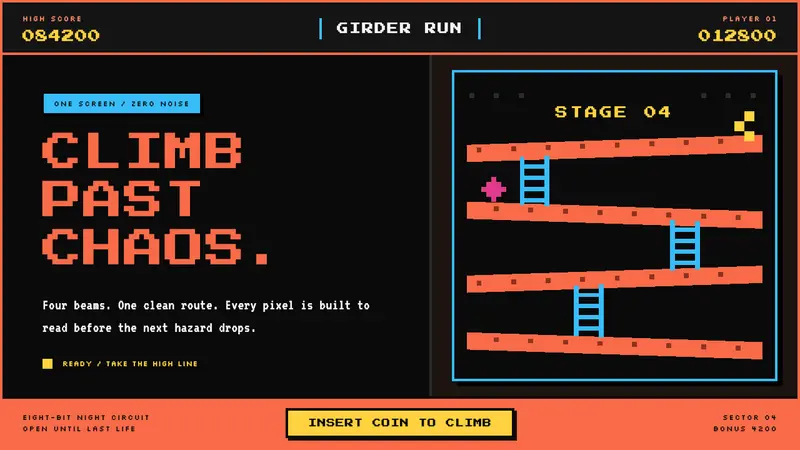 Donkey Kong (1981 Arcade)Built to read through the smoke. Coral girders and cyan ladders cut across a CRT-black grid.
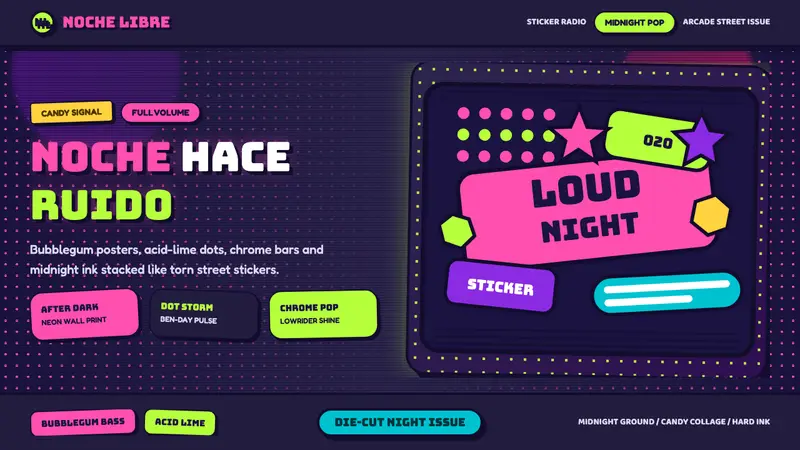 Bad Bunny YHLQMDLGMaximal night-pop collides. Bubblegum pink and acid lime stickers glow on midnight.
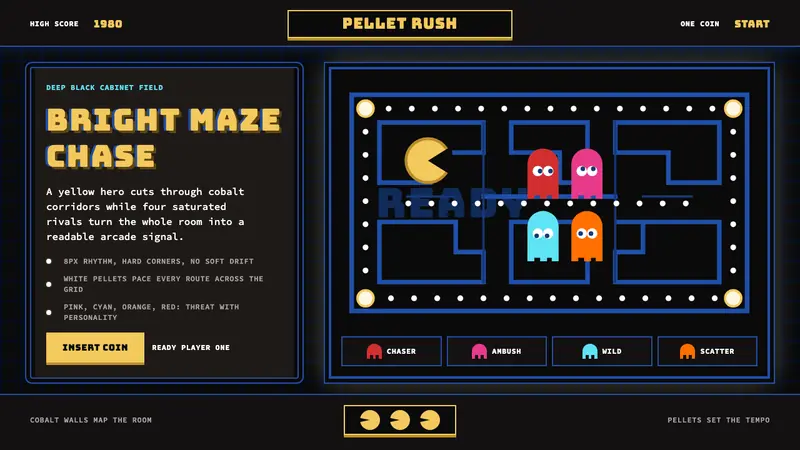 Pac-Man (Namco 1980)Arcade joy burns bright. Yellow disc, cobalt maze, and four ghost hues snap on black.
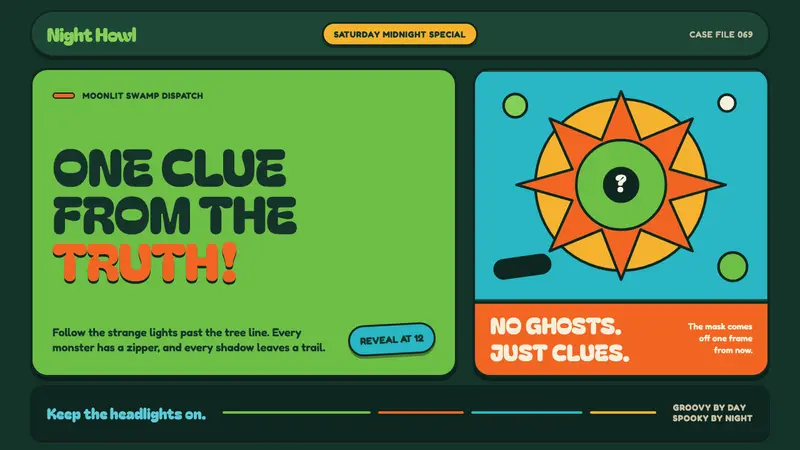 Mystery Machine (Scooby-Doo 1969)Groovy by day, spooky by night. Balloon type and acid-green panels hide the next reveal.