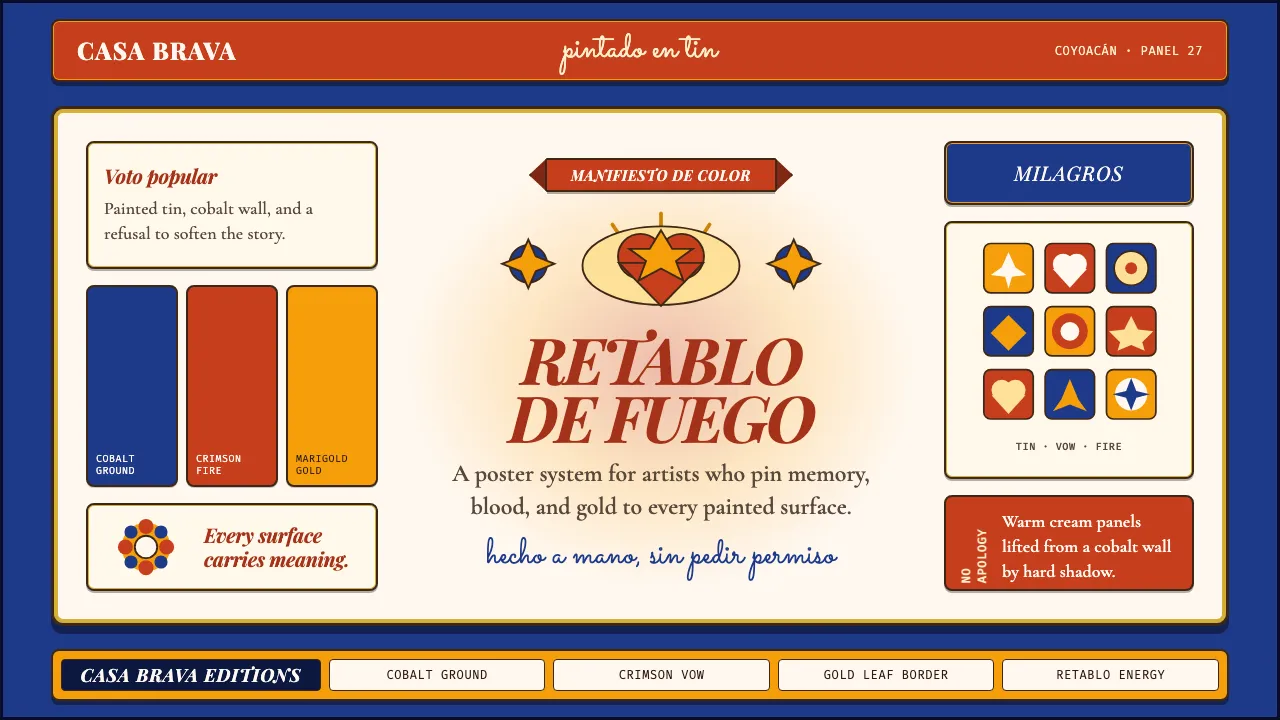
About Mexican Folk Art (Frida-era)
Mexican Folk Art of the Frida era is a saturated, hand-painted reclamation of indigenous identity through cobalt, crimson, and gold. Rooted in retablo votive paintings, Tehuana embroidery, and Day-of-the-Dead iconography, it rejects European modernism in favor of maximalist symbolism.
Every surface carries meaning — sacred hearts, marigolds, calaveras, and curling hand-lettered banners. The aesthetic is warm-blooded and defiant, as if each UI element were painted on tin by a devotional artist who refuses to soften anything.
- Origin
- Mexico City, Coyoacán, Mexico
- Era
- 1920s–1954 (Frida's lifetime, peak Mexicanidad movement)
- Key figures
- Frida Kahlo · Diego Rivera · José Guadalupe Posada · Tina Modotti
- Movements
- Mexicanidad · Mexican Muralism · Retablo painting
Mexican Folk Art (Frida-era) design spec
Colors
Typography
The other 11 sections — buttons, cards, spacing, motion, techniques and more — open once you unlock. Download the DESIGN.md or send it to your AI in one click. Unlock once, yours forever.
Sign up nowStyles similar to Mexican Folk Art (Frida-era)
Also inspired by art & artists, with a close feel.
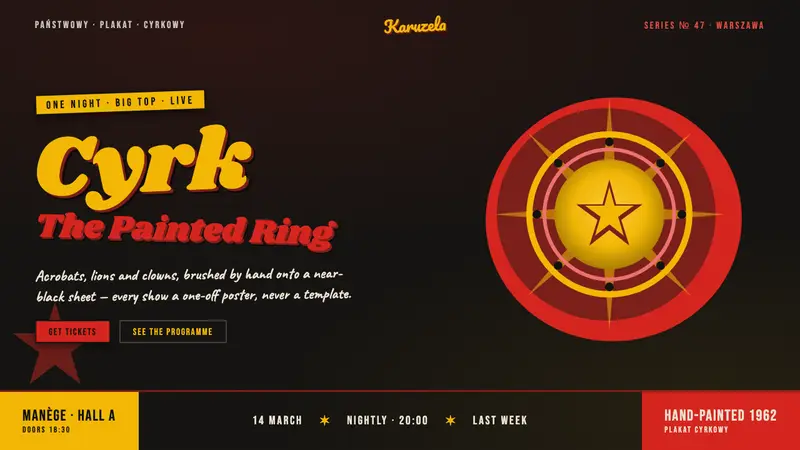 Polish Cyrk Circus PosterPainterly state-circus maximalism. Vermilion and circus yellow blaze from near-black on tilted type.
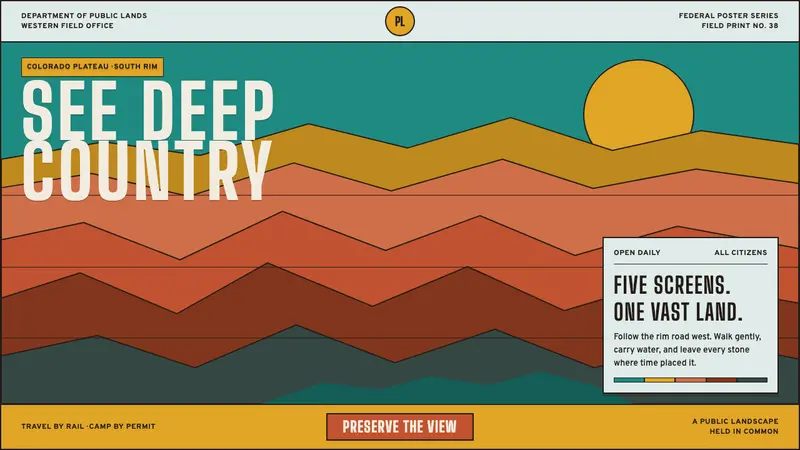 Grand Canyon WPA (1938)Public grandeur in five screens. Turquoise, ochre and terracotta stack in hard strata.
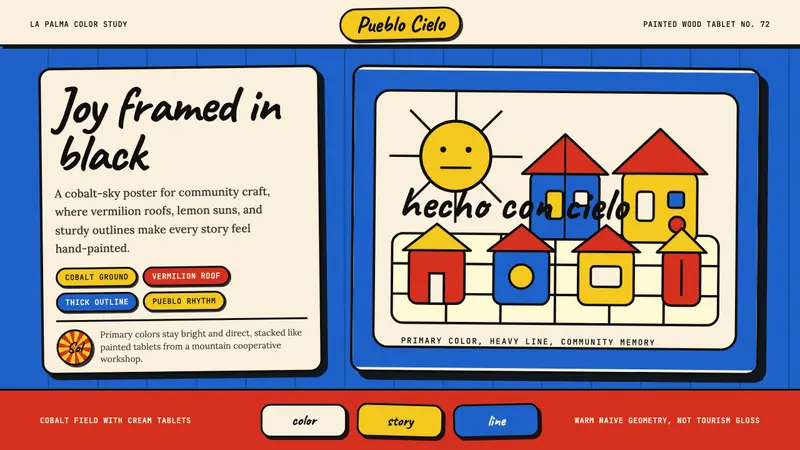 Salvadoran Fernando Llort NaïfJoy with thick outlines. Cobalt sky, vermilion roofs, and Caveat lettering stack like tablets.
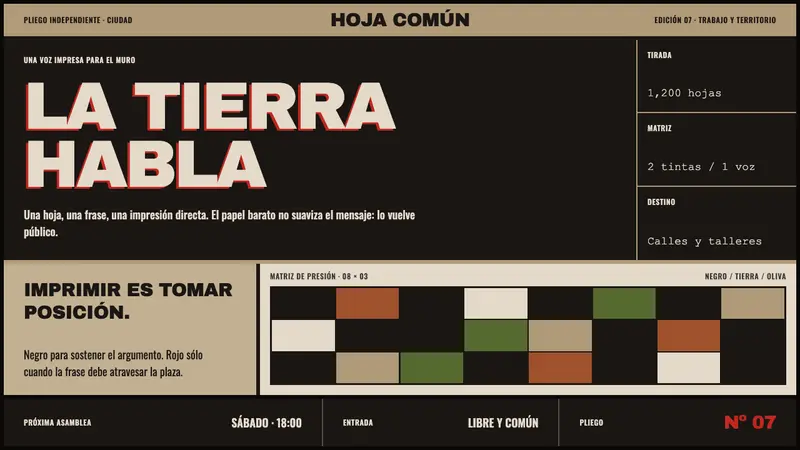 Taller de Gráfica PopularPrint that takes a side. Carbon-black blocks shout across acid-browned newsprint, with red rationed.