About Día de los Muertos
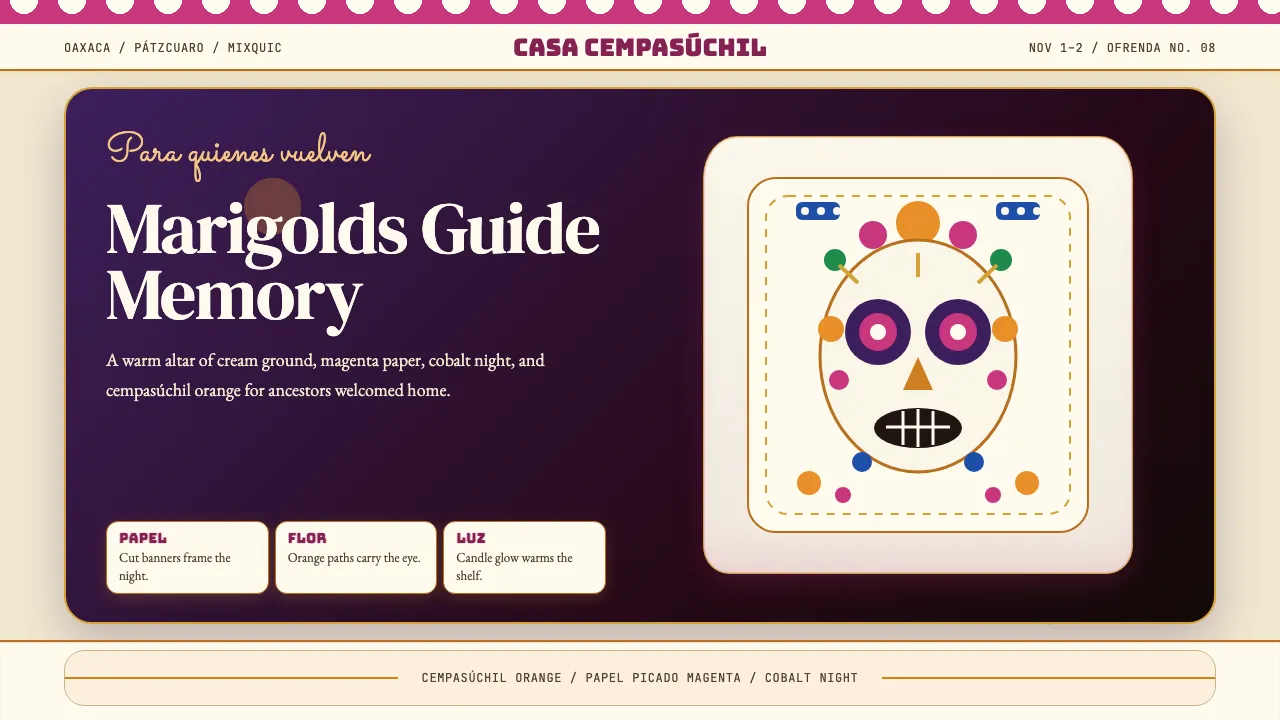
Día de los Muertos is Mexico's November 1–2 celebration of deceased ancestors, dressed in marigold-cempasúchil orange, magenta papel picado, cobalt and emerald, all set against a deep purple night sky. The visual codebook — Catrina skeletons, sugar skulls, candle-lit ofrendas — was forged by José Guadalupe Posada's 1910 prints and canonized by Rivera and Kahlo into a Mexican national language.
This is a warm, celebratory, sacred folk-art tradition — not Halloween horror. Saturated festival color sits on cream skull-ground, framed by hand-cut paper banners. Serif typography respects the cultural gravitas; chunky display faces echo street-festival posters; script faces carry the hand-flourish of ofrenda labels.
- Origin
- Mexico (Oaxaca, Michoacán, Puebla, Guanajuato) + Latin American diaspora
- Era
- pre-Columbian roots; modern festival codified 19c–20c; UNESCO ICH 2008; global popularization 2017+
- Key figures
- José Guadalupe Posada · Diego Rivera · Frida Kahlo · Pedro Linares
- Movements
- Mexican folk art · post-1910 Mexican-national-identity revival · 21c global Mexican cultural export
Día de los Muertos design spec
Colors
Typography
The other 11 sections — buttons, cards, spacing, motion, techniques and more — open once you unlock. Download the DESIGN.md or send it to your AI in one click. Unlock once, yours forever.
Sign up nowStyles similar to Día de los Muertos
Also inspired by crafts & folk art, with a close feel.
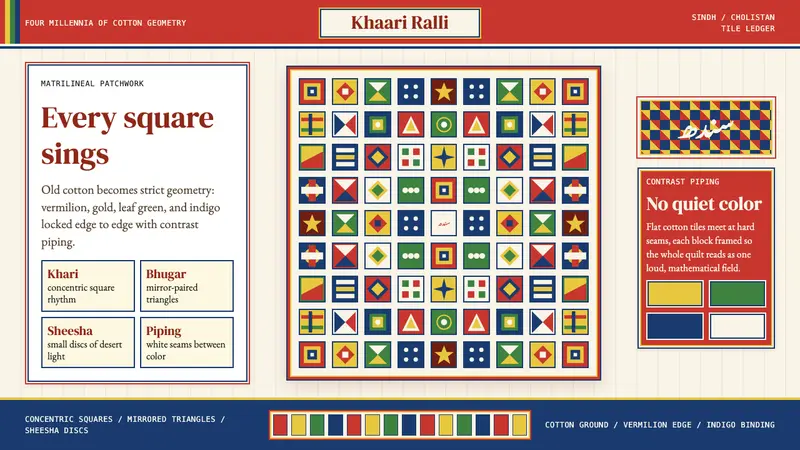 Sindhi Ralli QuiltSings in squares. Vermilion, gold, green, and indigo lock into piped tile rhythm.
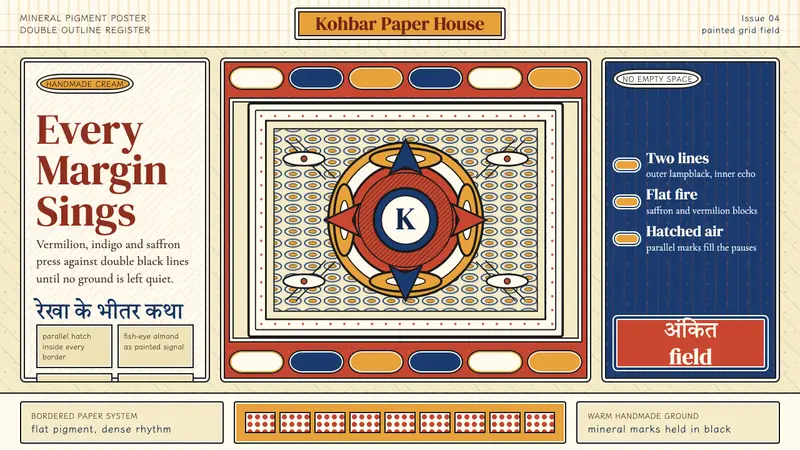 Madhubani (Mithila Folk Painting)No empty ground. Vermilion, indigo and saffron pack double-outlined panels with hatch.
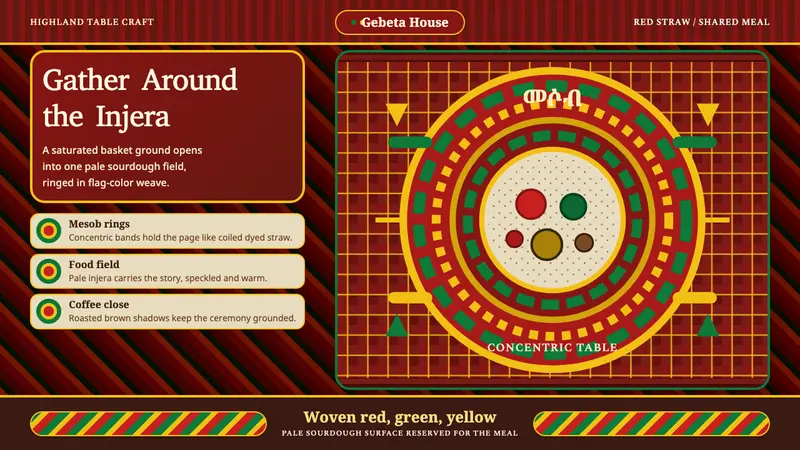 Ethiopian Injera & Mesob SpreadHospitality is woven in. Berbere red, flag bands, and an injera field hold the table.
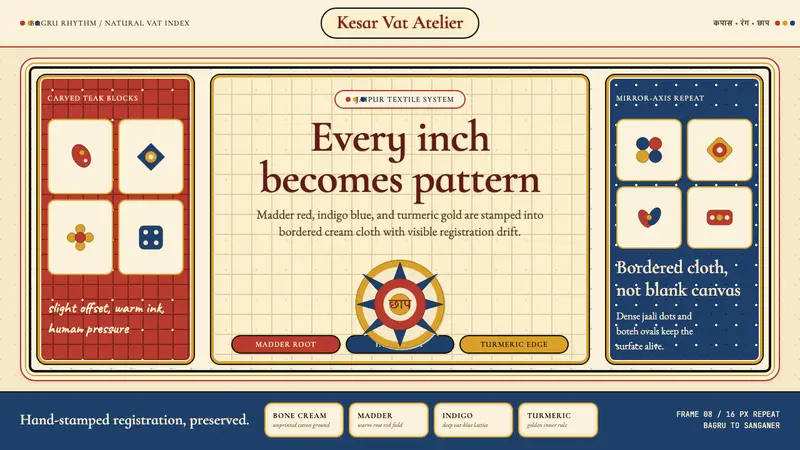 Indian Block PrintPattern claims every inch. Madder, indigo and turmeric stamp dense bordered cloth.