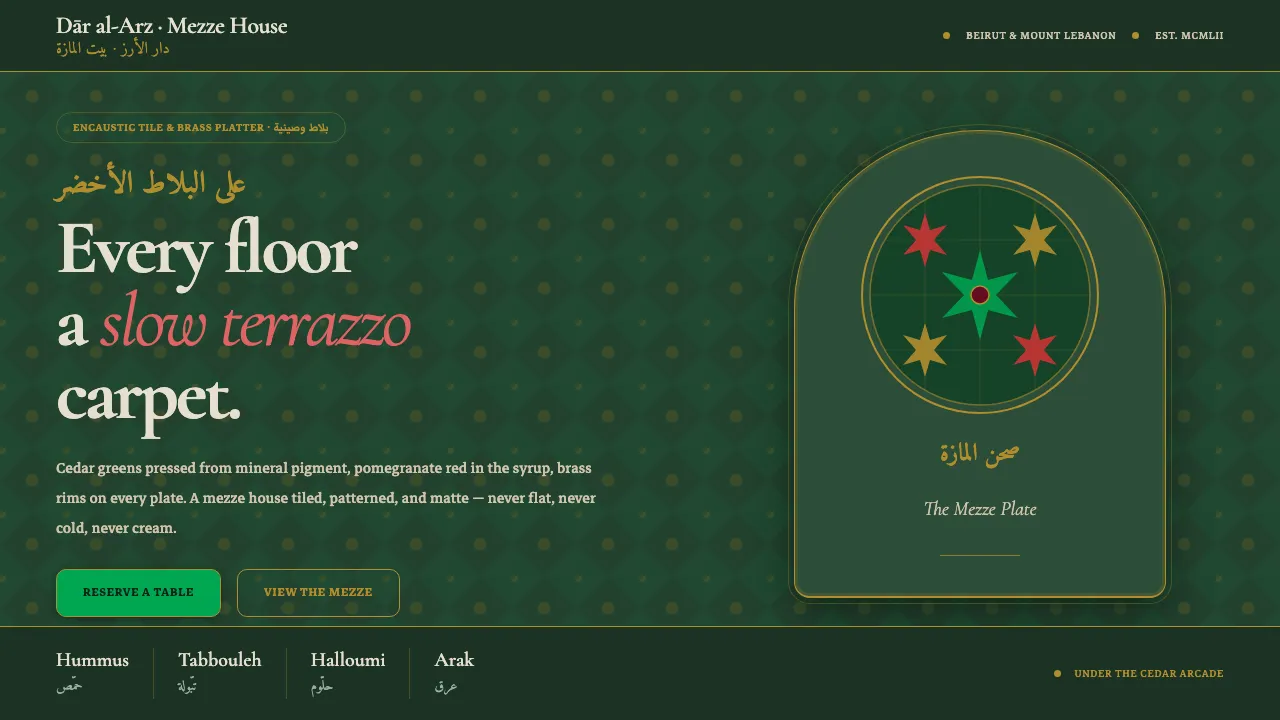
About Lebanese Mezze Tile Tavern
Lebanese Mezze Tile Tavern distills the visual world of a c. 1950–1990 Levantine mezze house — built on Blatt Chaya and Beiti encaustic cement floor tiles. Deep cedar greens, the color of Lebanon's national emblem, meet arak-white plaster and arched stone arcades.
Pomegranate reds, brass mezze platters, and bilingual Arabic-Latin Naskh script complete a warm, handmade palette. Every surface is tiled, patterned, and matte — never flat, never cold, never cream.
- Origin
- Lebanon and the wider Levant (Beirut, Mount Lebanon)
- Era
- 1950–1990 (mid-century Beiruti and mountain-village mezze culture)
- Key figures
- Blatt Chaya tile-makers · Levantine mezze restaurateurs · Beiti tile workshops
- Movements
- Levantine encaustic cement tile craft · Arabic-Latin bilingual signage · Arched arcade architecture
Lebanese Mezze Tile Tavern design spec
Colors
Background
Surface
Primary
Secondary
Accent
Text
Typography
Cormorant GaramondHeadings
Markazi TextBody
AmiriMono
Unlock for 1 credit
The other 11 sections — buttons, cards, spacing, motion, techniques and more — open once you unlock. Download the DESIGN.md or send it to your AI in one click. Unlock once, yours forever.
Sign up nowHave an account? Sign in
Styles similar to Lebanese Mezze Tile Tavern
Also inspired by crafts & folk art, with a close feel.
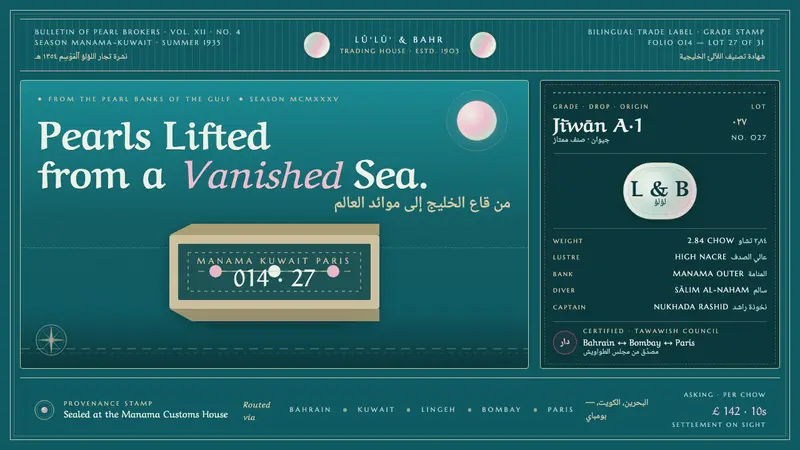 Gulf Pearl Trade EraA vanished maritime economy, stamped. Sea-teal water, dhow silhouettes, nacre seals beside Naskh.
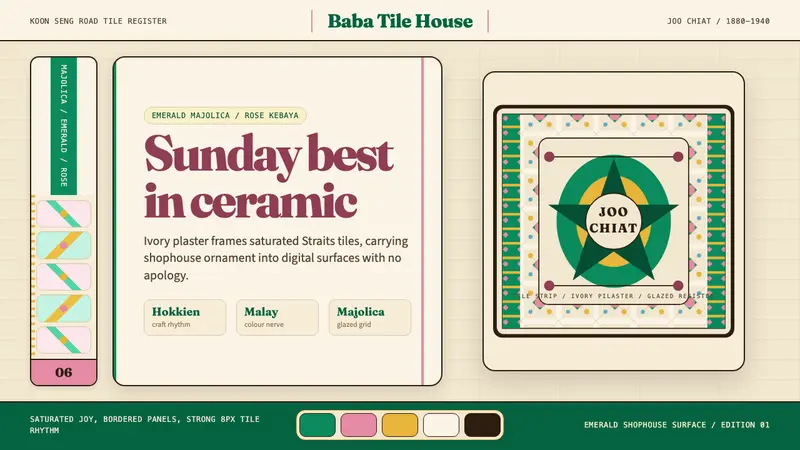 Peranakan Shophouse Tile (Joo Chiat)Ornament without apology. Emerald tile grids and Fraunces shopfront type carry the joy.
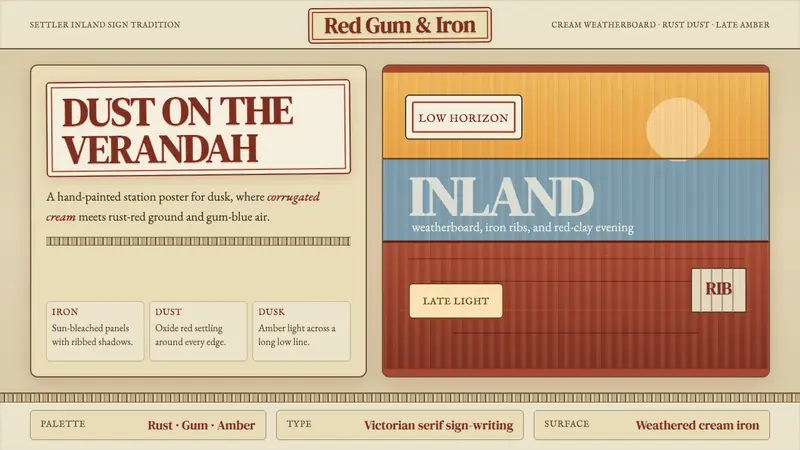 Australian Outback VernacularWeather is the voice. Rust dust, gum-blue bands, and serif sign-writing age the page.
 Kibbutz HaggadahHandmade harvest page. Olive stencil stock, wheat serif, deckled linocut geometry.