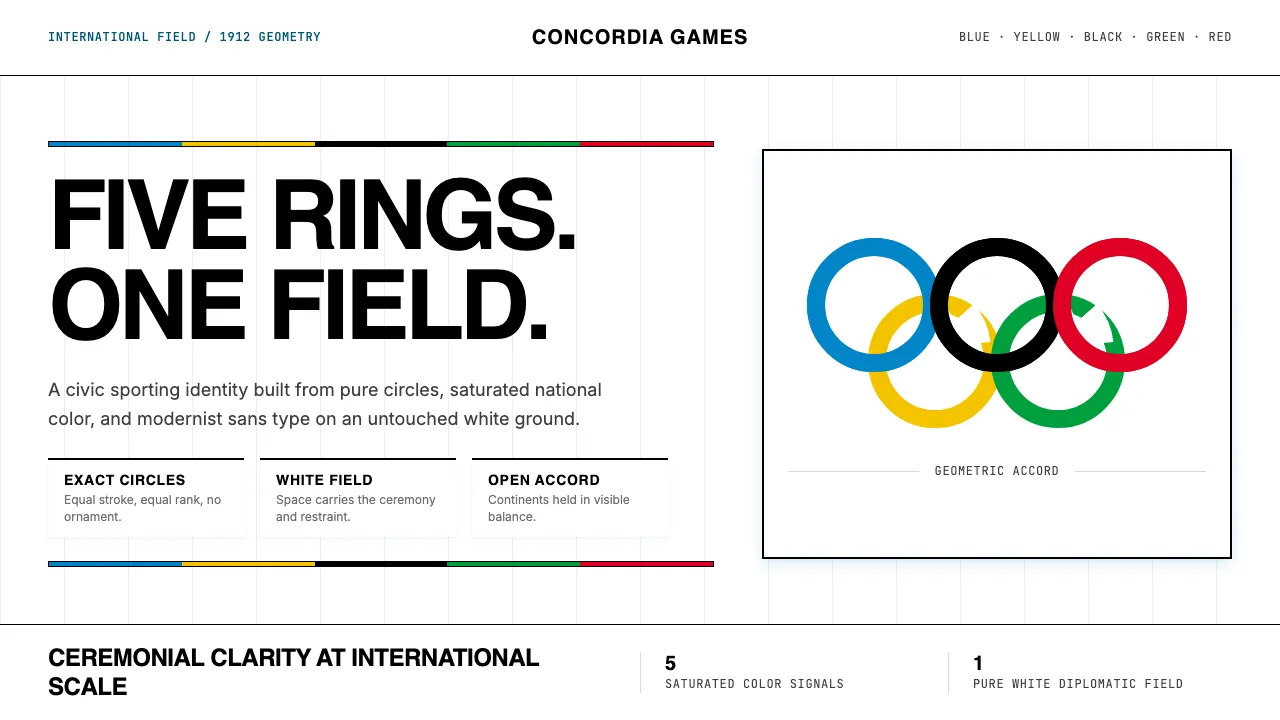
About Olympics Five Rings (1912)
The Olympic Five Rings, drawn by Pierre de Coubertin in 1912, is the world's most-iconic sports-diplomatic symbol: five interlocking rings in blue, yellow, black, green, and red on a field of pure white, representing five continents united in athletic accord.
As a design language, it speaks Bauhaus-modernist clarity — saturated primary color against generous white, sharp geometric precision, internationalist sans-serif type, and a hushed civic gravity. It is the visual register of the opening ceremony: precise, ceremonial, universally legible.
- Origin
- International (IOC HQ Lausanne, Switzerland)
- Era
- Modern Olympic Games founded 1896; Five Rings designed 1912 by Pierre de Coubertin; ongoing canon
- Key figures
- Pierre de Coubertin · International Olympic Committee (IOC)
- Movements
- international sports pageantry · diplomatic-modernist identity
Olympics Five Rings (1912) design spec
Colors
Typography
The other 11 sections — buttons, cards, spacing, motion, techniques and more — open once you unlock. Download the DESIGN.md or send it to your AI in one click. Unlock once, yours forever.
Sign up nowStyles similar to Olympics Five Rings (1912)
Also inspired by brands & products, with a close feel.
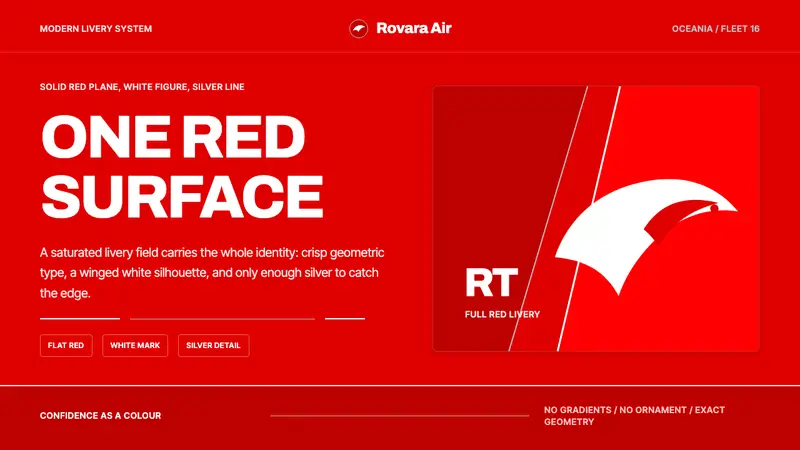 Qantas Flying KangarooConfidence is one red field. White silhouette, Archivo type, silver hairlines.
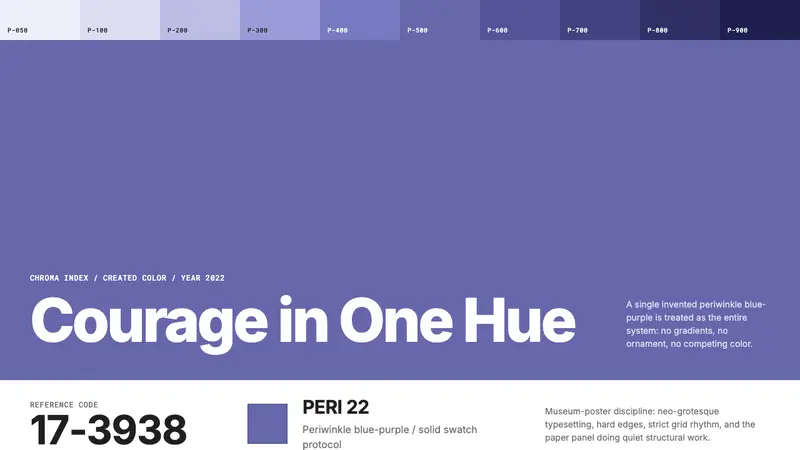 Pantone Very Peri (2022)Color becomes authority. Periwinkle field, reference codes, and white paper impose discipline.
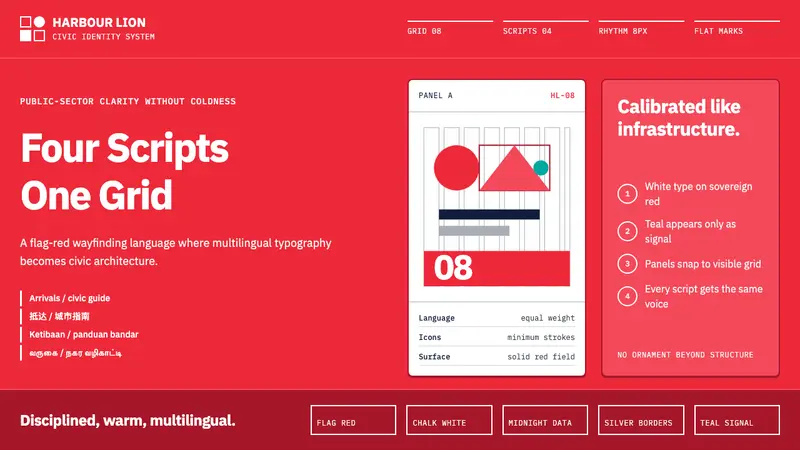 Singapore Merlion BrandPrecision with civic warmth. Flag red and geometric sans lock into a four-script grid.
 Wise (TransferWise)Clarity feels bankable. Lime flag on white, Inter geometry, quiet fee cards.