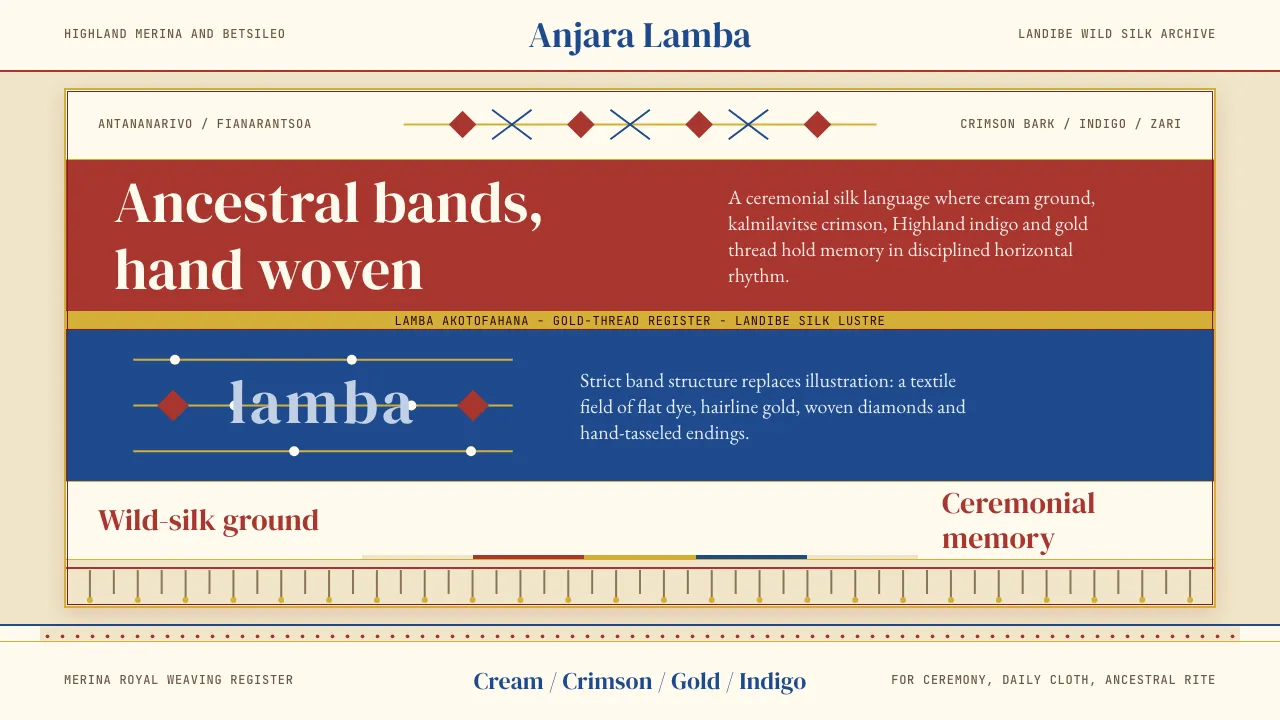
About Madagascan Lamba Silk
Madagascan lamba is the Highland wild-silk shawl that became Madagascar's national-identity textile — hand-woven by Merina and Betsileo women for centuries, worn for ceremony, daily life, and the famadihana "turning of the bones" ancestral rite.
The visual language is a saturated horizontal-stripe palette: cream undyed wild silk, Madagascar-crimson kalmilavitse-bark dye, deep indigo, gold-thread zari accent, ochre and pomegranate. Strict band structure, hand-tasseled fringe, and the lustre of landibe silk.
- Origin
- Madagascar — Highland Merina + Betsileo regions (Antananarivo, Fianarantsoa, Ambositra)
- Era
- 16c–17c Merina kingdom origins; royal-court peak 1780s–1896; continuous tradition through colonial + post-independence into contemporary cooperative + couture practice
- Key figures
- Queen Ranavalona I · Sarah Fee · Christine Mullen Kreamer · Eric Raisina
- Movements
- Indian Ocean textile traditions · Malagasy national identity reconstruction · Highland Merina royal weaving
Madagascan Lamba Silk design spec
Colors
Typography
The other 11 sections — buttons, cards, spacing, motion, techniques and more — open once you unlock. Download the DESIGN.md or send it to your AI in one click. Unlock once, yours forever.
Sign up nowStyles similar to Madagascan Lamba Silk
Also inspired by crafts & folk art, with a close feel.
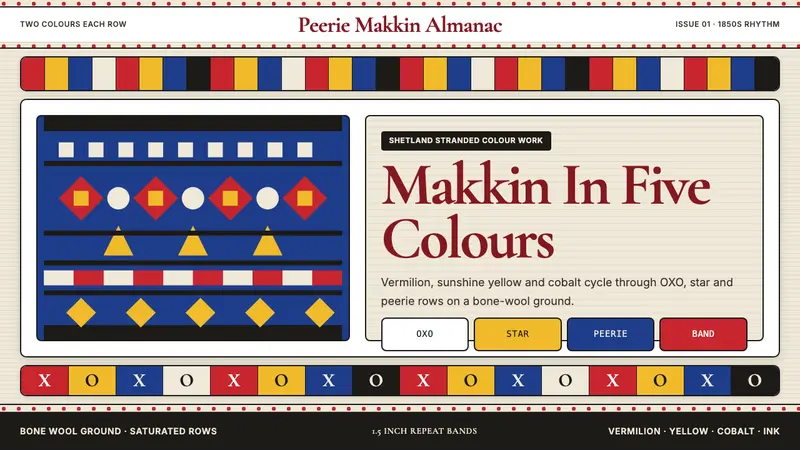 Scottish Fair Isle Knit ShetlandDense wool confidence. Vermilion, yellow and cobalt bands lock into Shetland repeats.
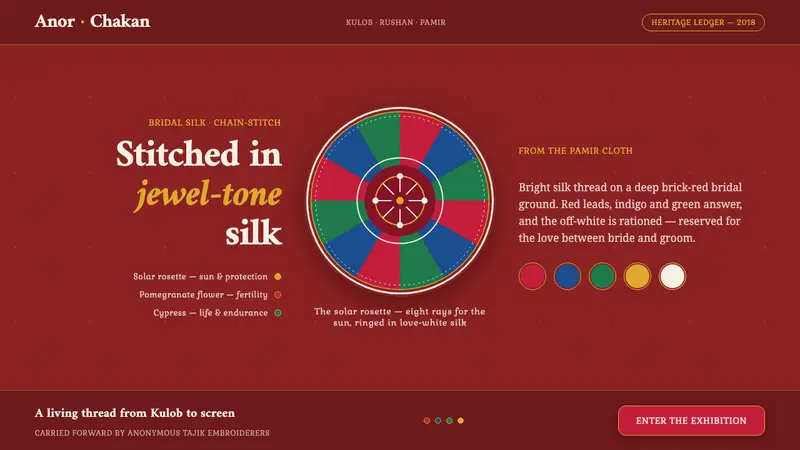 Tajik Chakan EmbroideryBridal silk that earns its white. Jewel-tone chain-stitch on deep brick-red, motif over ground.
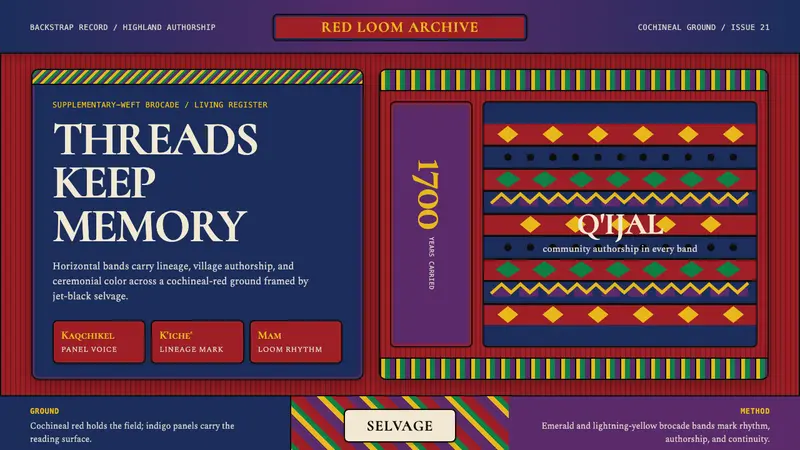 Guatemalan Huipil Maya WeaveMemory is woven dense. Cochineal red, black selvage, and brocade bands hold the page.
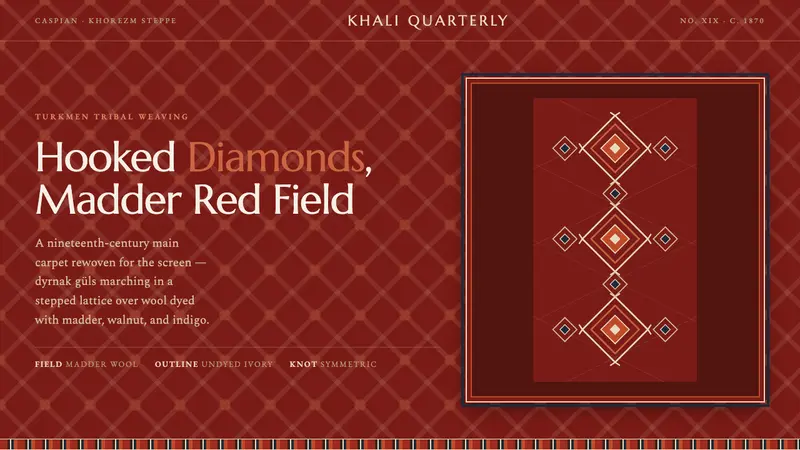 Yomut Gül CarpetHand-knotted authority on screen. Hooked dyrnak diamonds lattice a madder-red wool field in ivory.