About Aztec Codex
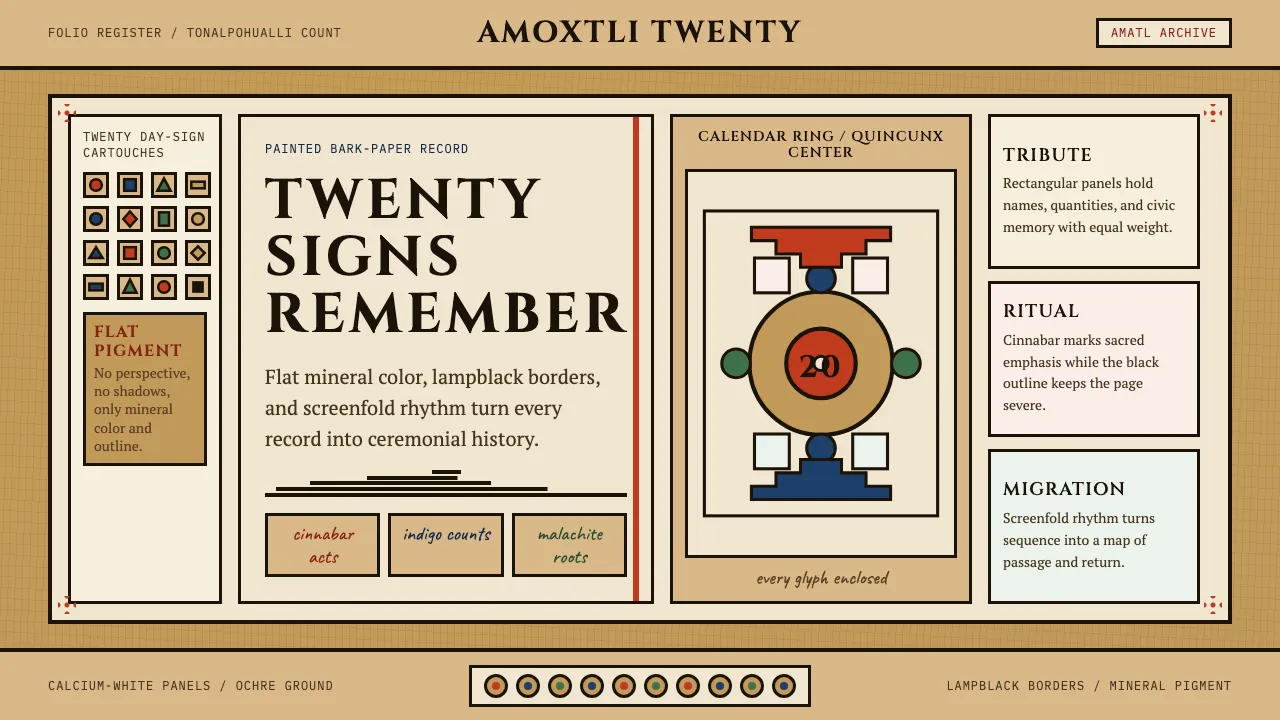
Aztec Codex is a design system rooted in the painted bark-paper screenfolds (amatl) of the Mexica — sacred manuscripts that recorded tribute, ritual, and the 260-day tonalpohualli calendar. Its palette is literally the mineral-pigment set used by tlacuilo scribes: amatl ochre ground, cinnabar red, indigo blue, malachite green, lampblack outline.
The system is flat, frontal, and cartouched. Thick black strokes enclose every figure, day-sign glyphs repeat in calendrical rings, and Trajan capitals carry colonial-Latin weight. It is meant for narrative, archival, and culturally grounded interfaces — never fiesta kitsch.
- Origin
- Central Mexico (Tenochtitlan / modern Mexico City, Tlaxcala, Texcoco)
- Era
- 1300–1521 pre-conquest Mexica codices; 1521–1577 early colonial codices; modern reproduction tradition
- Key figures
- anonymous tlacuilo scribes · Bernardino de Sahagún · Antonio de Mendoza
- Movements
- Mesoamerican codex tradition · Aztec / Mexica visual culture · post-conquest colonial documentation
Aztec Codex design spec
Colors
Typography
The other 11 sections — buttons, cards, spacing, motion, techniques and more — open once you unlock. Download the DESIGN.md or send it to your AI in one click. Unlock once, yours forever.
Sign up nowStyles similar to Aztec Codex
Also inspired by crafts & folk art, with a close feel.
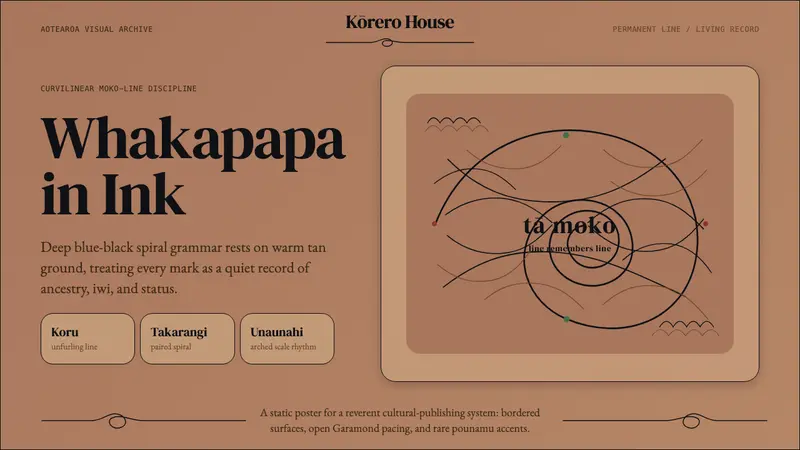 Māori Tā Moko (Facial Tattoo)Ancestry feels carved. Blue-black spirals on tan ground carry a restrained Garamond voice.
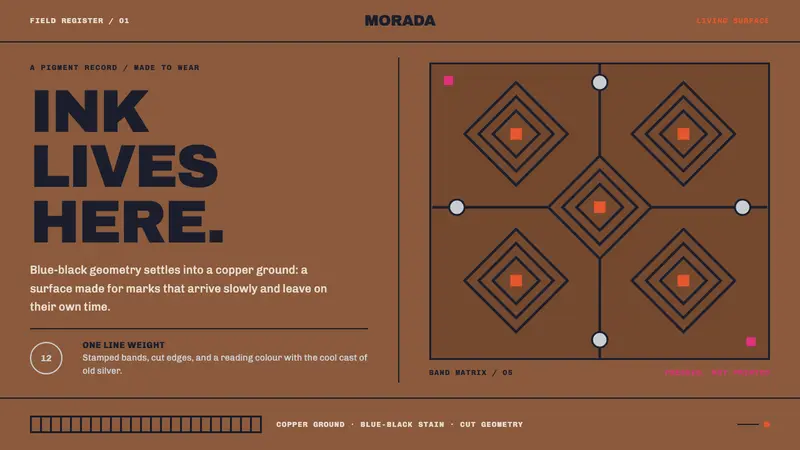 Emberá JaguaA living stain, never a print. Blue-black diamond bands press across copper skin.
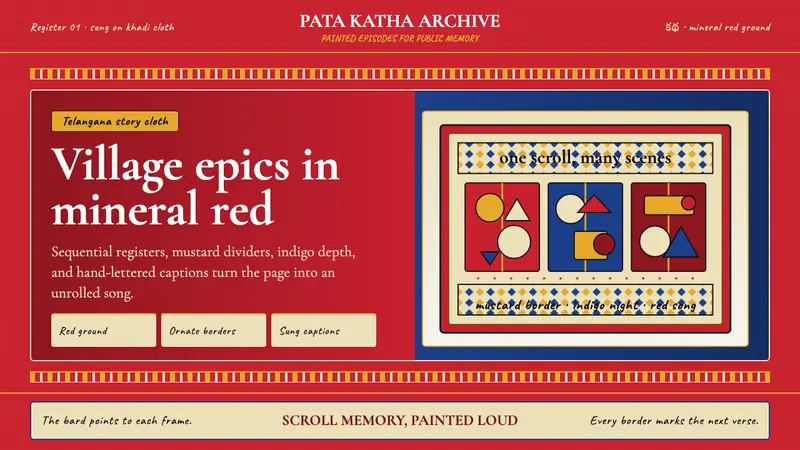 Andhra Cheriyal Scroll PaintingSaturated oral memory. Mineral red registers, mustard diamonds, and serif song lines.
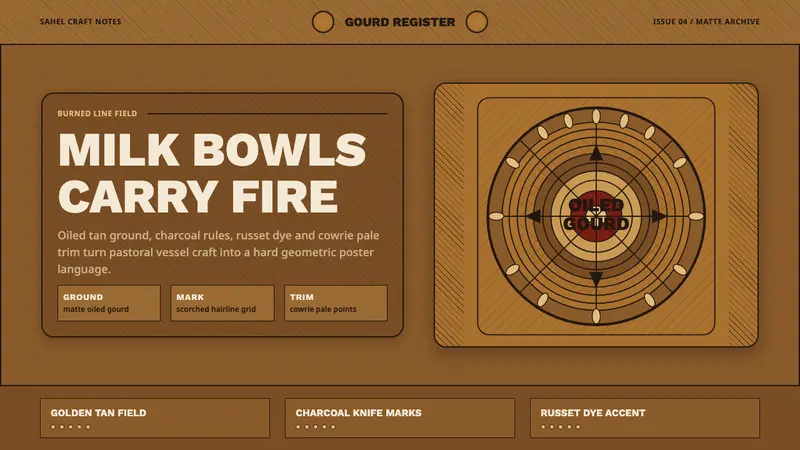 Fulani Milk CalabashMatte craft burns bright. Oiled gourd tan meets charred concentric linework.