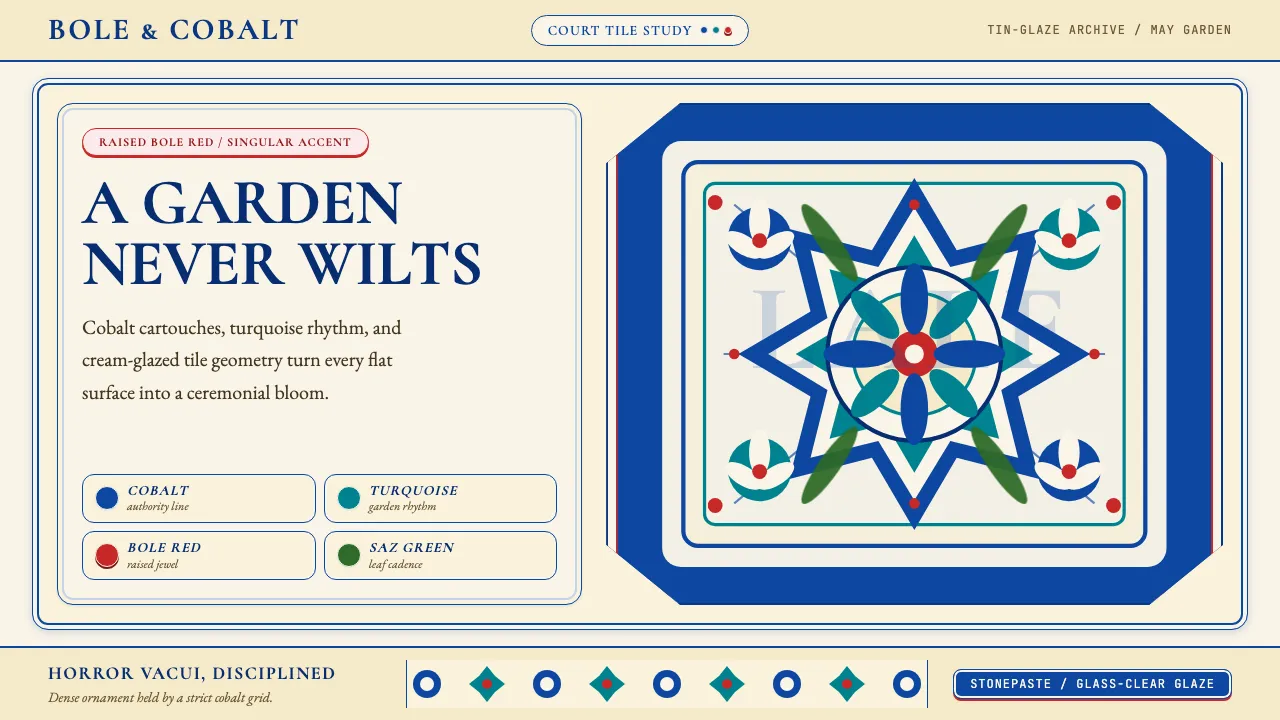
About Turkish İznik Ceramic
Turkish İznik Ceramic distills the most technically perfect Islamic tilework ever fired — 16th-century Ottoman stonepaste painted with cobalt, turquoise, sage, and the inimitable raised Armenian-bole red under a glass-clear tin glaze. Tulips, carnations, hyacinths, and saz-leaf curves bloom in dense, horror-vacui compositions that never wilt.
The system takes that ethos to screen: a warm tin-glaze cream ground, cobalt for authority, Armenian-bole red for singular emphasis, saz-green for accents, and calligraphic cartouches as framing devices. A flat surface should bloom like a garden in May.
- Origin
- İznik (Nicaea), northwestern Anatolia, Ottoman Turkey
- Era
- 1480–1620 (peak 1555–1600, under Süleyman and Selim II patronage)
- Key figures
- Kara Memi · Mimar Sinan · Süleyman the Magnificent · Selim II
- Movements
- Ottoman court arts · Saz style · Quatre Fleurs floral style
Turkish İznik Ceramic design spec
Colors
Typography
The other 11 sections — buttons, cards, spacing, motion, techniques and more — open once you unlock. Download the DESIGN.md or send it to your AI in one click. Unlock once, yours forever.
Sign up nowStyles similar to Turkish İznik Ceramic
Also inspired by crafts & folk art, with a close feel.
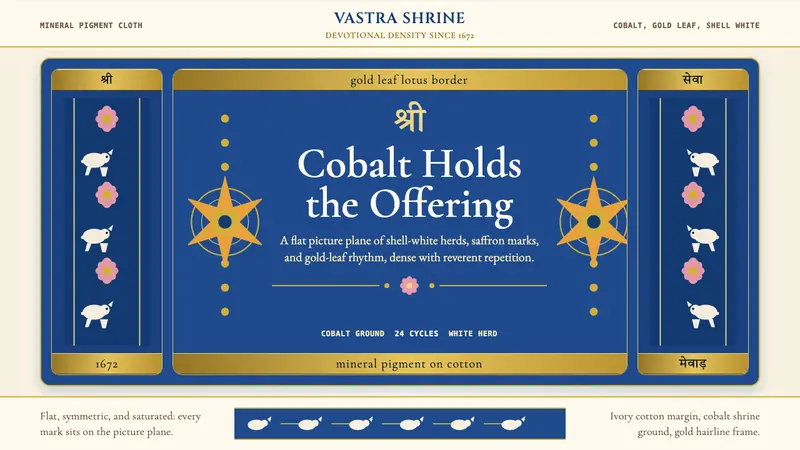 Rajasthani Pichwai (Nathdwara)Devotional density in cobalt. Gold borders, shell-white herds, lotus pink on ivory cotton.
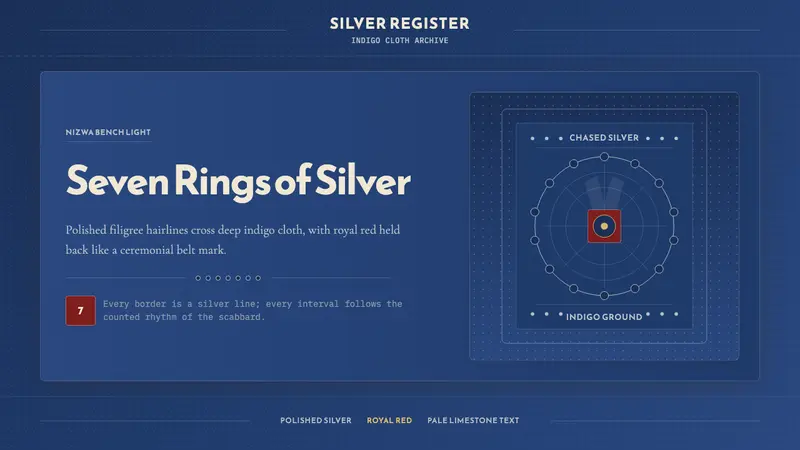 Omani Khanjar Silver DaggerFormal craft gleams. Silver hairlines and seven-ring rhythm rest on indigo cloth.
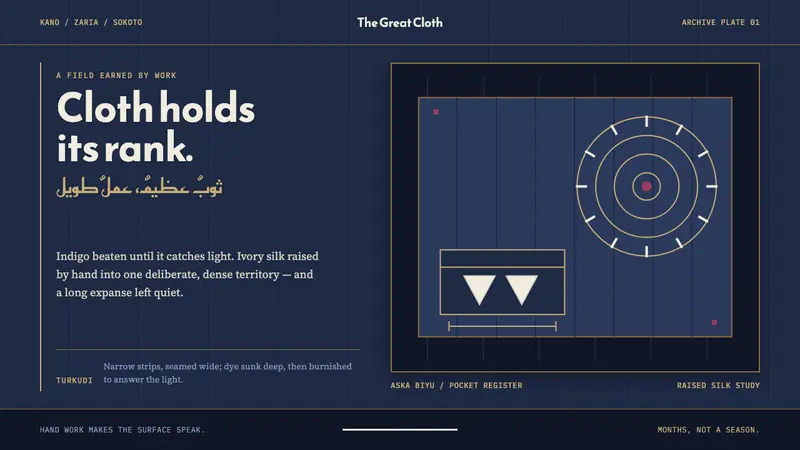 Hausa Babban RigaRank is worked, not announced. Burnished indigo holds raised ivory geometry in one dense zone.
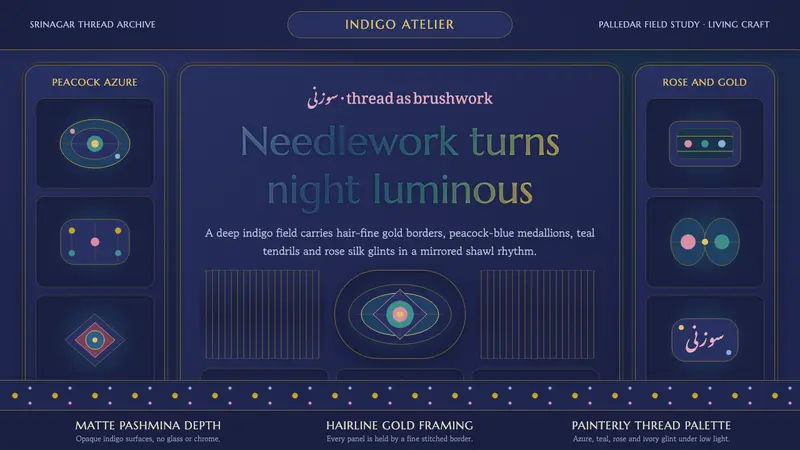 Kashmiri Sozni Shawl EmbroideryNight made luminous. Indigo ground, gold hairlines and silk medallions stitch the frame.