About Taiwanese Painted Tile Vernacular
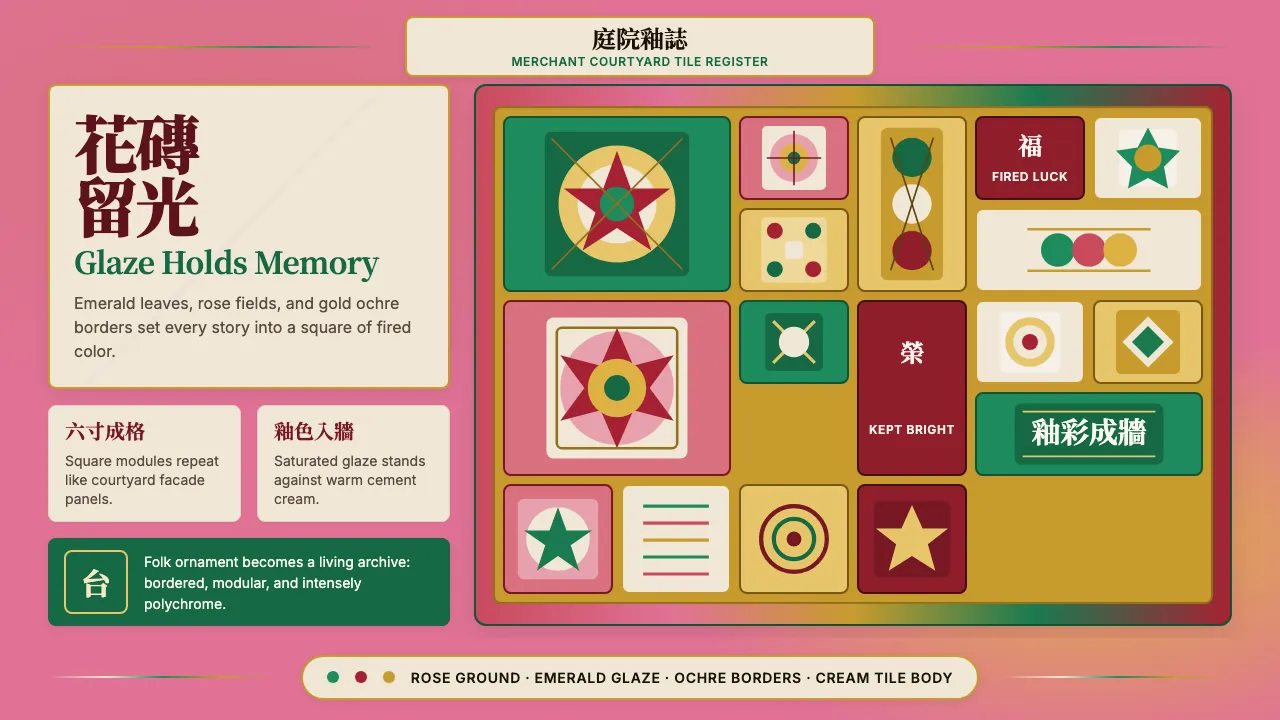
The Taiwanese painted-tile vernacular draws from the majolica glazed tiles that adorned merchant courtyard facades across Lukang, Daxi, and Sanxia from the 1870s through the 1940s. Imported from British and Japanese factories, each tile became a self-contained painting of peonies, phoenixes, and Mazu deity panels set into whitewashed cement render.
This design system captures the saturated emerald greens, rose pinks, and gold ochres of those glazed surfaces, translating the figurative warmth and tile-grid modularity into a digital interface language that honors Taiwan's folk-decorative heritage.
Learn more about the Taiwanese Painted Tile Vernacular style
- Origin
- Taiwan (Lukang, Daxi, Sanxia, Penghu)
- Era
- 1870s late-Qing import beginnings; peak 1920s–1930s Japanese colonial; contemporary preservation 2010–present
- Key figures
- Hsu Chia-rong · Hong Kun-fu · Chen Tsuei-hua · Lin Hsi-hsia
- Movements
- Hokkien-Taiwanese folk pattern tradition · Japanese-colonial industrial tile import wave · 2010s old house renewal movement
Taiwanese Painted Tile Vernacular design spec
Colors
Typography
The other 11 sections — buttons, cards, spacing, motion, techniques and more — open once you unlock. Download the DESIGN.md or send it to your AI in one click. Unlock once, yours forever.
Sign up nowStyles similar to Taiwanese Painted Tile Vernacular
Also inspired by crafts & folk art, with a close feel.
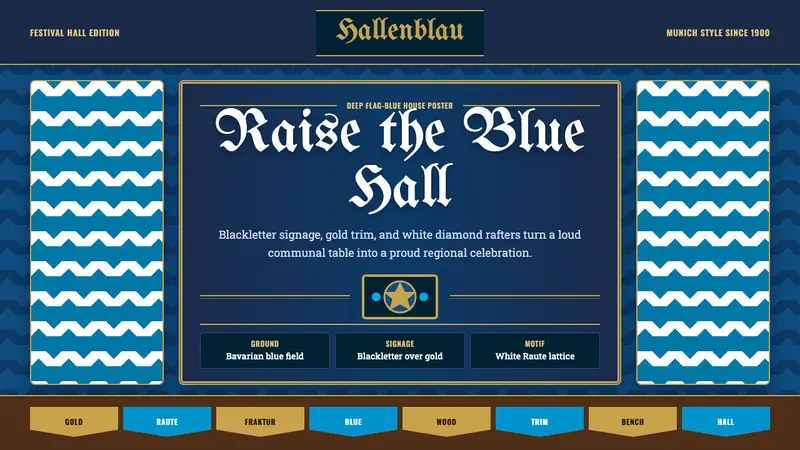 Bavarian Beer HallHearty regional ceremony. Deep flag-blue, Fraktur signage, gold trim, and white Raute diamonds.
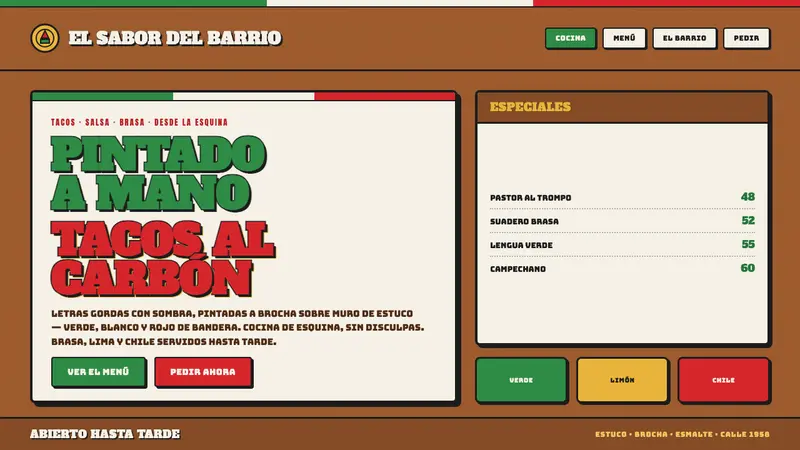 Mexican Taqueria Rotulo SignageStreet craft over polish. Fat outlined letters, hard offset shadows, flag colors on terracotta.
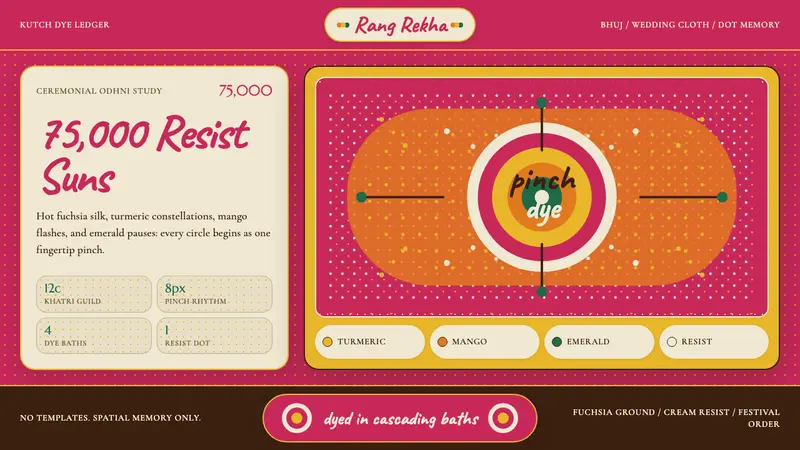 Gujarati Bandhani Tie-DyeFestival precision. Fuchsia cloth, turmeric dot constellations, Caveat lettering.
 Polish Wycinanki PinkFolk papercut maximalism. Hot-pink roosters and mirror-cut bouquets layered on cool-white plaster.