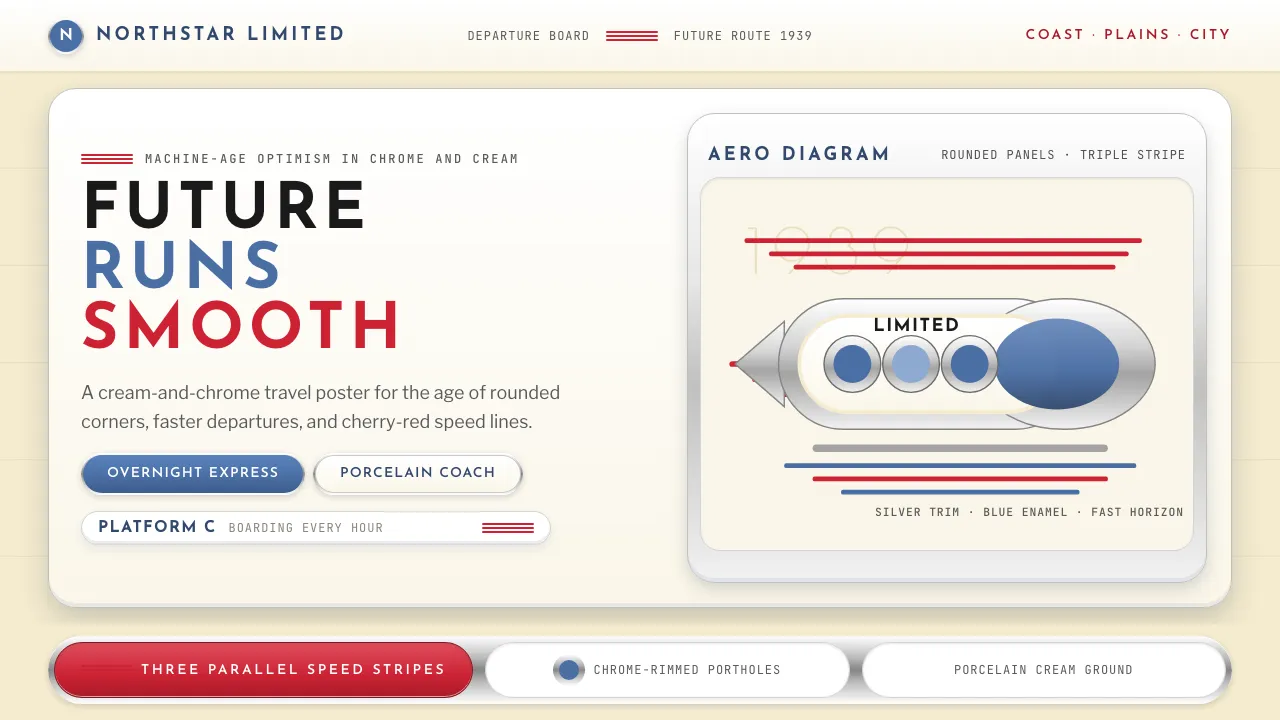
About Streamline Moderne (1930s)
Streamline Moderne is the aerodynamic evolution of Art Deco — the 1930s–1940s movement that put speed lines on trains, toasters, pencil sharpeners and skyscrapers alike. Raymond Loewy's Greyhound Scenicruiser, Henry Dreyfuss's 20th Century Limited locomotive, and the diners of Route 66 taught a whole nation to read curves as optimism.
The visual language is horizontal speed stripes, teardrop silhouettes, rounded chrome-trimmed panels, and porcelain-enamel color. Everything is cleaner than ornate Deco, but warmer and more hopeful than hard machine modernism — the promise that the future will be smooth, fast, and beautiful.
- Origin
- United States (national — NYC to Los Angeles, Route 66 diners)
- Era
- 1930s–1950s (Depression-era optimism through post-war boom); peak 1935–1945
- Key figures
- Raymond Loewy · Norman Bel Geddes · Walter Dorwin Teague · Henry Dreyfuss
- Movements
- Streamline Moderne · American Industrial Design · Machine Age
Streamline Moderne (1930s) design spec
Colors
Typography
The other 11 sections — buttons, cards, spacing, motion, techniques and more — open once you unlock. Download the DESIGN.md or send it to your AI in one click. Unlock once, yours forever.
Sign up nowStyles similar to Streamline Moderne (1930s)
Also inspired by design movements, with a close feel.
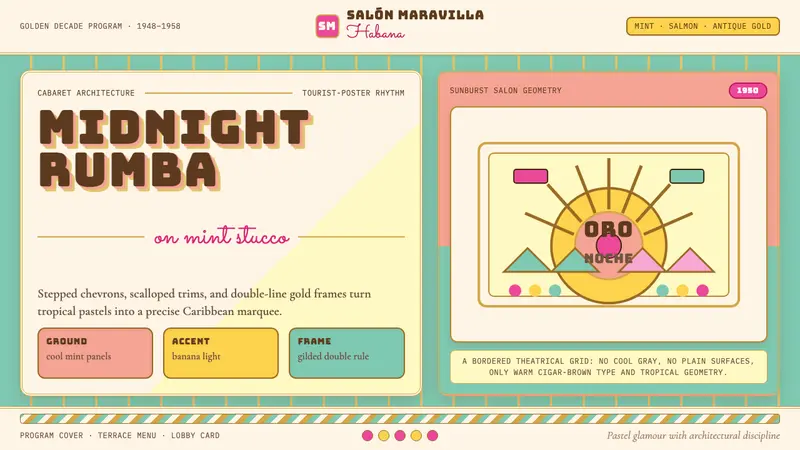 Cuban Art Deco (Havana 1950)Tropical Deco goes theatrical. Mint and salmon panels, gold double rules, Bungee marquee type.
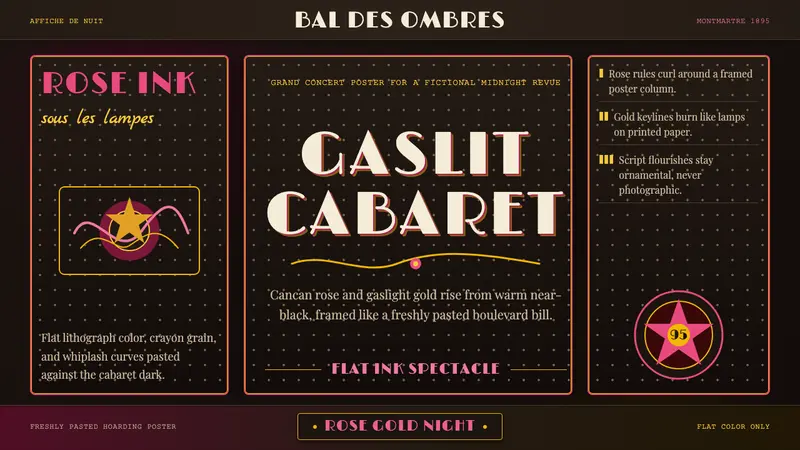 Belle Époque ParisCabaret night glows. Rose ink and gaslight gold curl across warm near-black poster panels.
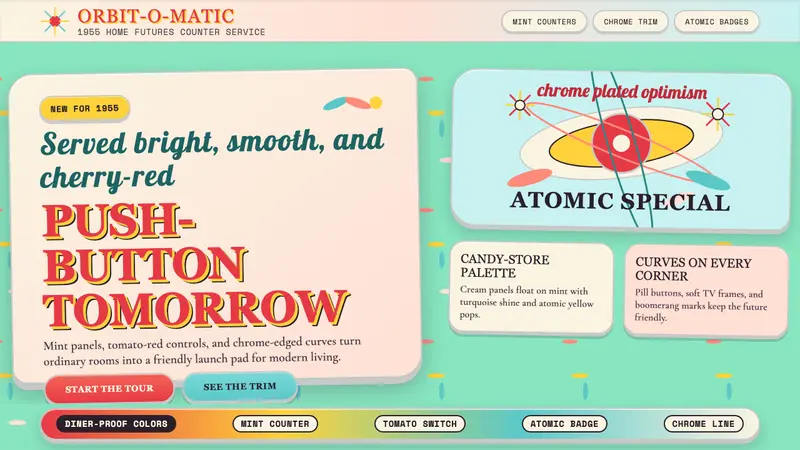 Populuxe Atomic AgeThe future grins. Mint Formica, tomato-red pills, Cooper Black, and atomic starbursts.
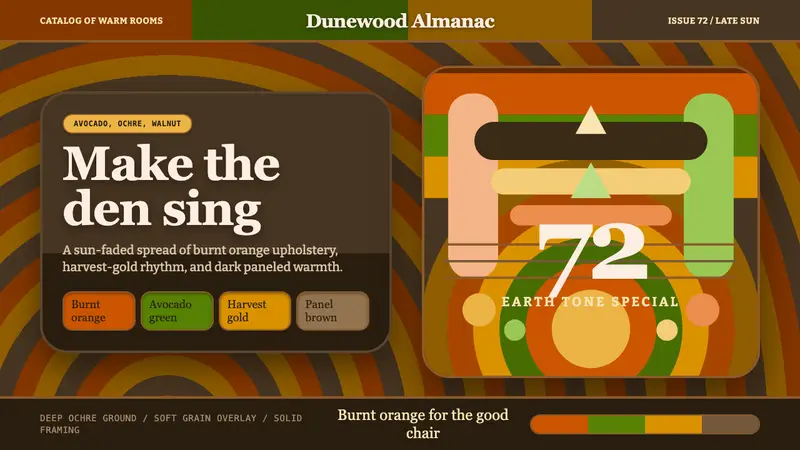 1970s Earth TonesWarm maximalism stays muddy. Bulbous slabs, avocado bands, and harvest-gold rings.