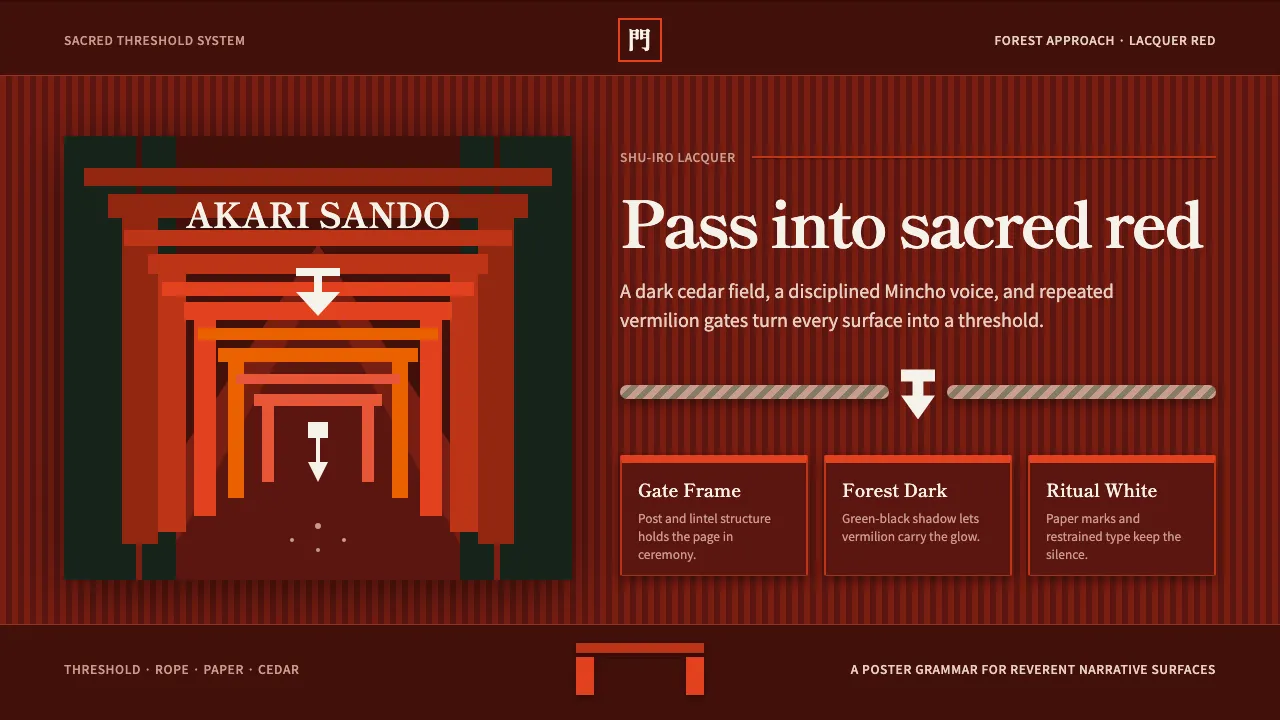
About Shinto Torii
Walk the Senbon Torii at Fushimi Inari and you pass through a tunnel of vermilion: thousands of lacquered gateposts standing shoulder to shoulder, each a threshold between the ordinary world and the sacred. This system borrows that exact materiality — saturated shu-iro red glowing against the green-black of the cryptomeria forest.
It is post-and-lintel architecture turned into a visual grammar. Gates frame content, sacred shimenawa rope divides it, and folded shide paper marks it. Typography keeps the discipline of Japanese shrine signage: serif Mincho for ceremony, clean sans for the everyday, always aware of the vertical.
- Origin
- Japan (Fushimi Inari, Kyoto; Itsukushima, Miyajima)
- Era
- pre-1900 (ancient–Edo shrine traditions; current visual ~timeless)
- Key figures
- Inari shrine network · kannushi priestly tradition · miyadaiku shrine carpenters
- Movements
- Shinto sacred architecture · shu-nuri vermilion-lacquer tradition · kami worship
Shinto Torii design spec
Colors
Typography
The other 11 sections — buttons, cards, spacing, motion, techniques and more — open once you unlock. Download the DESIGN.md or send it to your AI in one click. Unlock once, yours forever.
Sign up nowStyles similar to Shinto Torii
Also inspired by crafts & folk art, with a close feel.
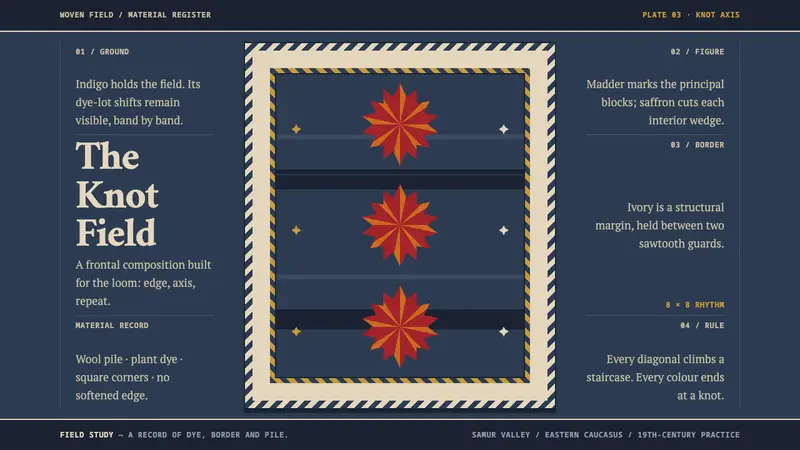 Lezgin Star WeaveKnot logic, made monumental. Madder stars lock into abrash indigo and ivory guards.
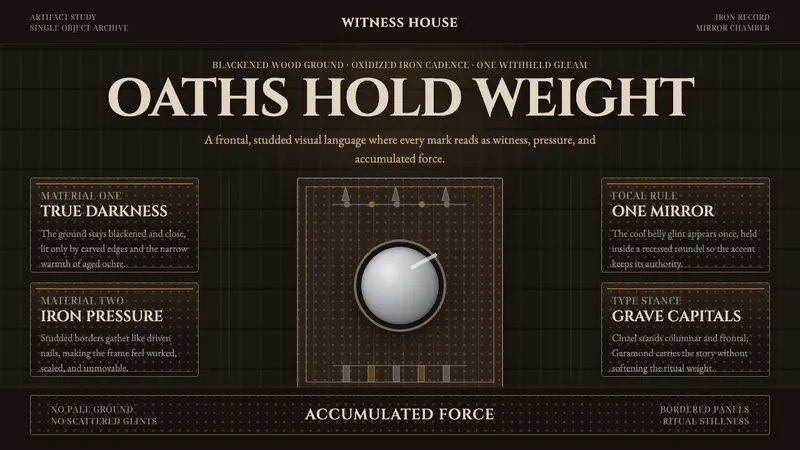 Kongo Nkisi Nkondi Power FigurePower accumulates in darkness. Black wood, iron studs, and one mirror glint hold the frame.
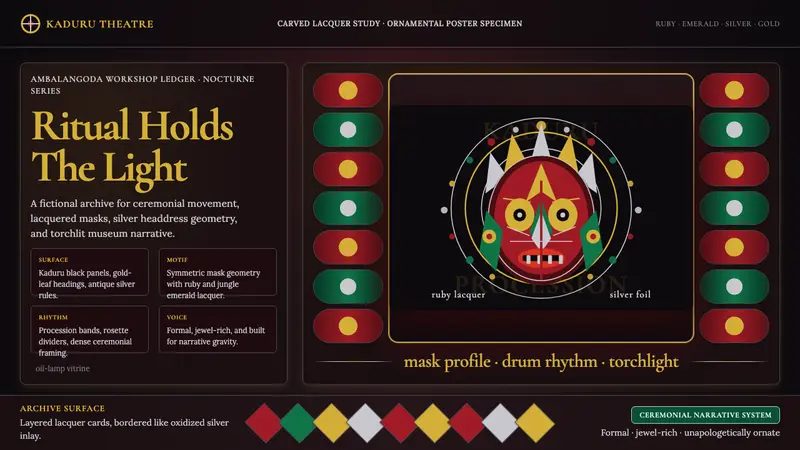 Sri Lankan Kandyan Mask & DanceRitual carries weight. Gold serif type and ruby-emerald filigree burn on black lacquer.
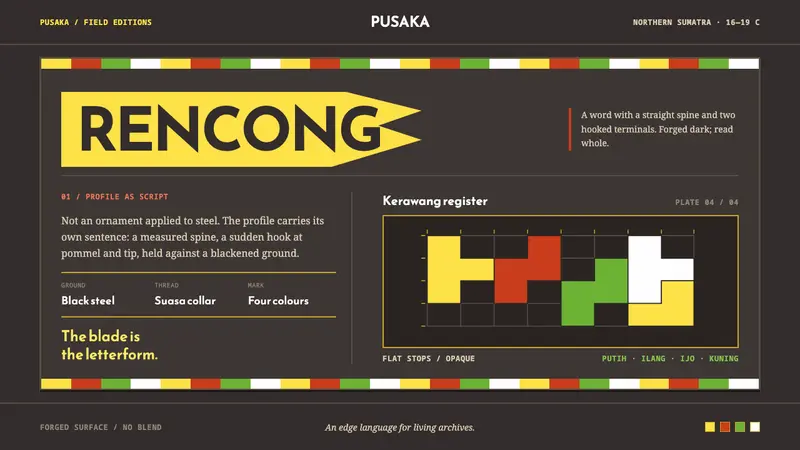 Acehnese Rencong MotifA blade that reads as a word. Flat kerawang red, white, green and yellow lock into black steel.