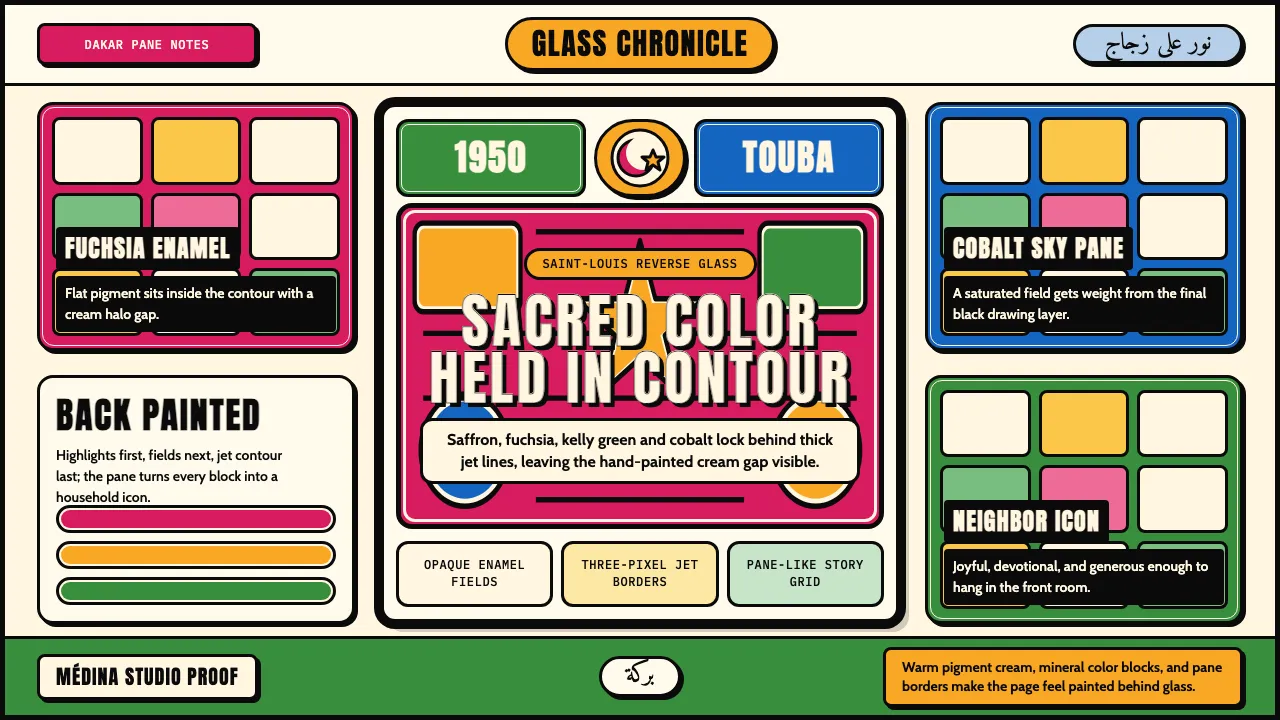
About Senegalese Sous-Verre
Senegalese sous-verre is West Africa's most generous folk illustration tradition: painters apply opaque enamel to the back of a glass pane in reverse order — highlights first, then mid-tones, then black contours last. From Saint-Louis and Touba workshops came thousands of household icons of Sufi marabouts, Quranic-verse panels, and Wolof daily life.
The aesthetic is both sacred and joyful. Flat saturated pigment — fuchsia, saffron, kelly green, cobalt — sits inside thick jet-black contour lines, like stained glass without lead. Each color shape hovers just shy of its outline, leaving a tiny halo gap that marks the work as hand-painted.
- Origin
- Senegal — Saint-Louis, Dakar (Médina, Plateau), Touba, Thiès
- Era
- 1920s–present (peak 1950s–1990s)
- Key figures
- Mor Gueye · Babacar Lô · Souleymane Keita
- Movements
- African folk vernacular · Mouride Sufi devotional art · Wolof oral storytelling rendered visual
Senegalese Sous-Verre design spec
Colors
Typography
The other 11 sections — buttons, cards, spacing, motion, techniques and more — open once you unlock. Download the DESIGN.md or send it to your AI in one click. Unlock once, yours forever.
Sign up nowStyles similar to Senegalese Sous-Verre
Also inspired by crafts & folk art, with a close feel.
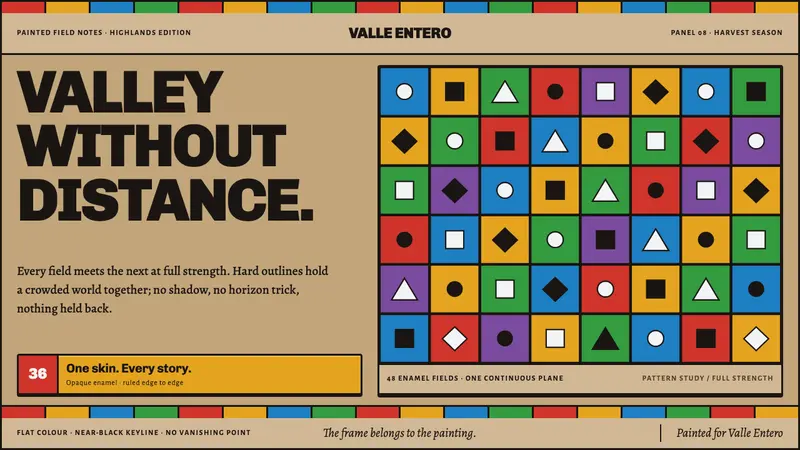 Tigua Sheepskin PaintingA whole valley at full volume. Saturated enamel fields lock together with near-black outlines.
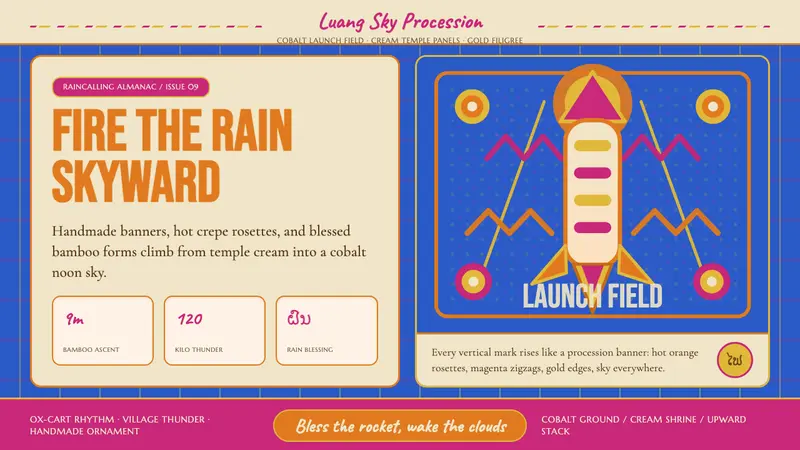 Lao Luang Pho (Bun Bang Fai Rocket)Festival thunder rises. Cobalt sky, Caveat banners, orange rosettes, and gold borders stack upward.
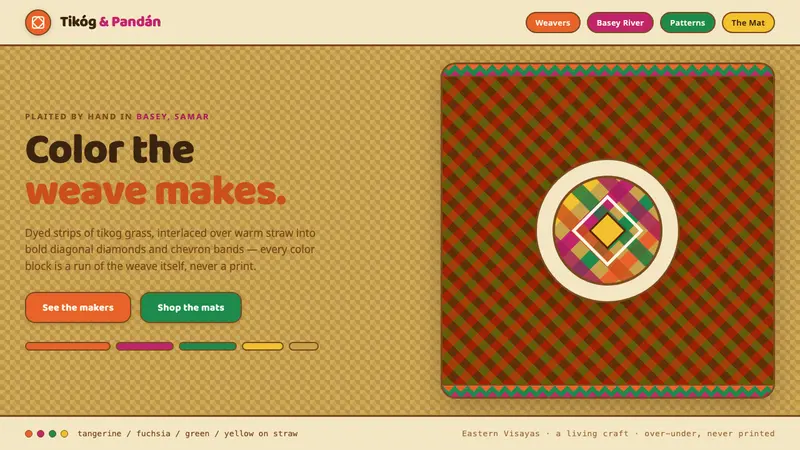 Banig Pandan MatHandwoven Filipino joy. Tangerine, fuchsia and green strips plaited into diagonal diamonds on straw.
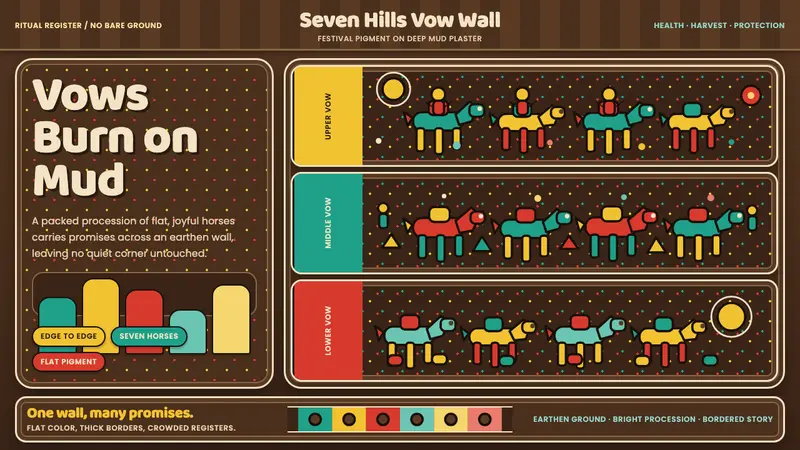 Pithora Rathwa Ritual WallVows fill the wall. Bright horse rows crowd deep mud-brown plaster edge to edge.