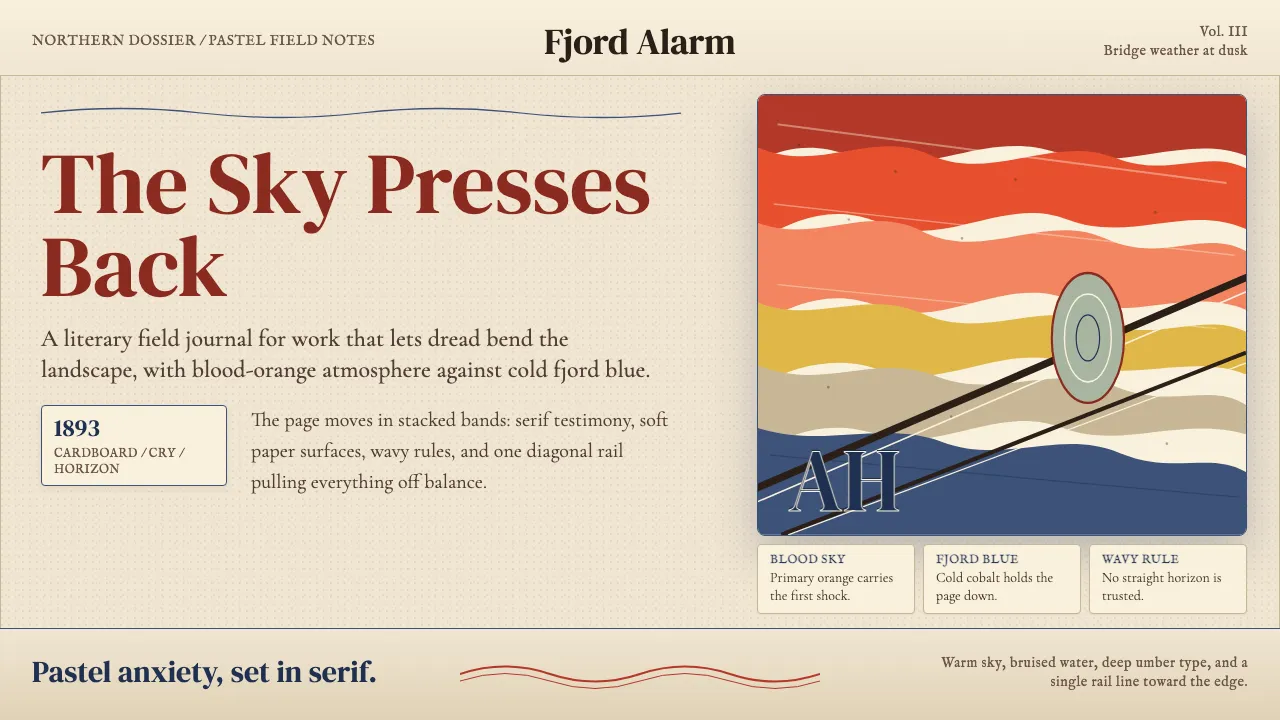
About Munch — The Scream
*The Scream* (1893) is Northern European Expressionism's founding image — a pastel-on-cardboard cry made on the Ekeberg fjord-bridge under a sky Munch called "blood and tongues of fire". The whole landscape bends in sympathy with the figure: sky, water, railing and air itself ripple in shared dread.
This system translates that anxiety into interface language: warm-blood sky against cold-bruise water, fin-de-siècle serifs in deep umber, undulating horizontal bands instead of straight rules, and a vertiginous diagonal that pulls the eye toward an off-stage vanishing point.
- Origin
- Norway — Christiania (Oslo), Ekeberg fjord; Berlin expat phase 1892–1896
- Era
- 1880s–1900s Norwegian proto-Expressionism; Skrik painted 1893 (four versions through 1910)
- Key figures
- Edvard Munch · August Strindberg · Hans Jæger · Stanisław Przybyszewski
- Movements
- Symbolism · proto-Expressionism · Berlin Secession
Munch — The Scream design spec
Colors
Typography
The other 11 sections — buttons, cards, spacing, motion, techniques and more — open once you unlock. Download the DESIGN.md or send it to your AI in one click. Unlock once, yours forever.
Sign up nowStyles similar to Munch — The Scream
Also inspired by art & artists, with a close feel.
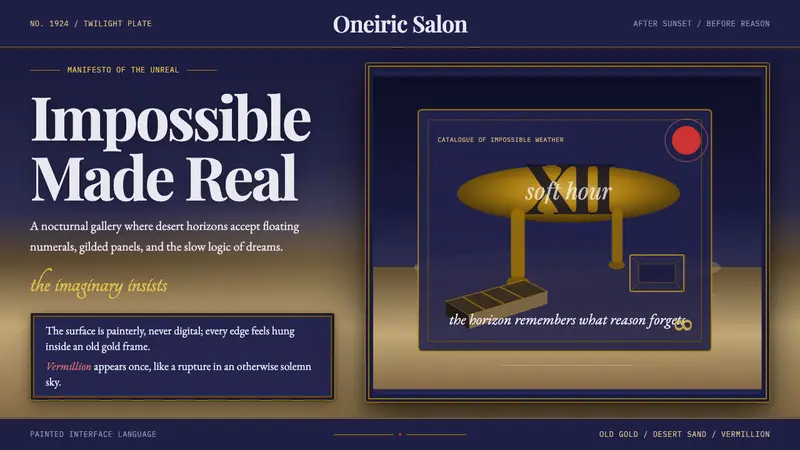 Surrealism (Dalí / Magritte)Impossible feels real. Twilight blue, old gold frames, and serif type stage dream logic.
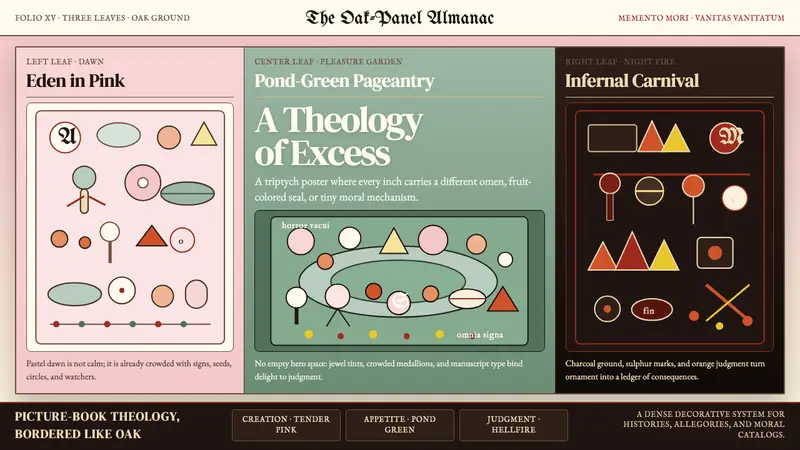 Bosch — Garden of Earthly DelightsHorror vacui becomes doctrine. Pink, green, and hellfire panels swarm with serif sigils.
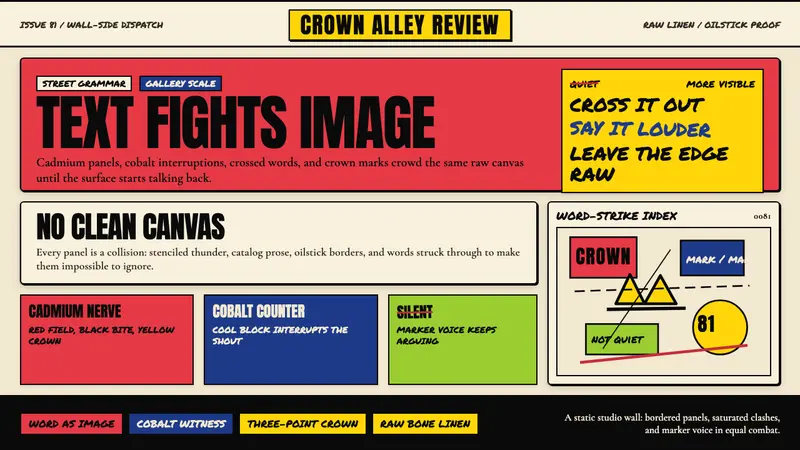 Basquiat Neo-ExpressionismExplodes off raw linen. Cadmium red, cobalt blue, Anton blocks, and struck marker text collide.
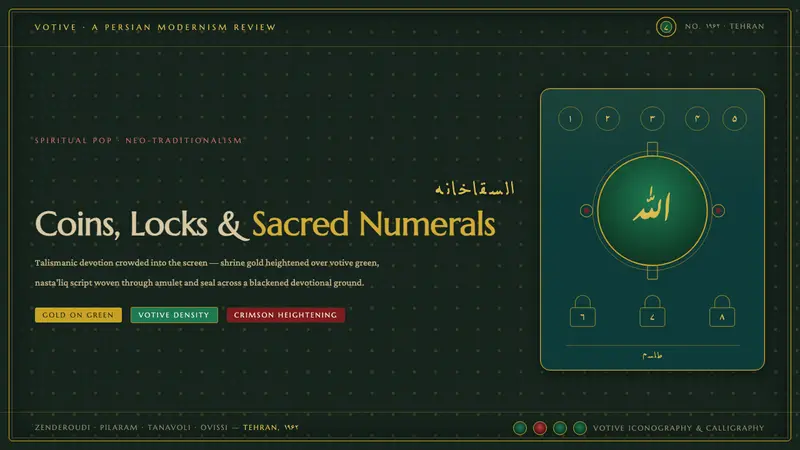 Saqqakhaneh MovementSpiritual Pop with a shrine pulse. Coins, locks and nasta'liq in gold over blackened votive green.