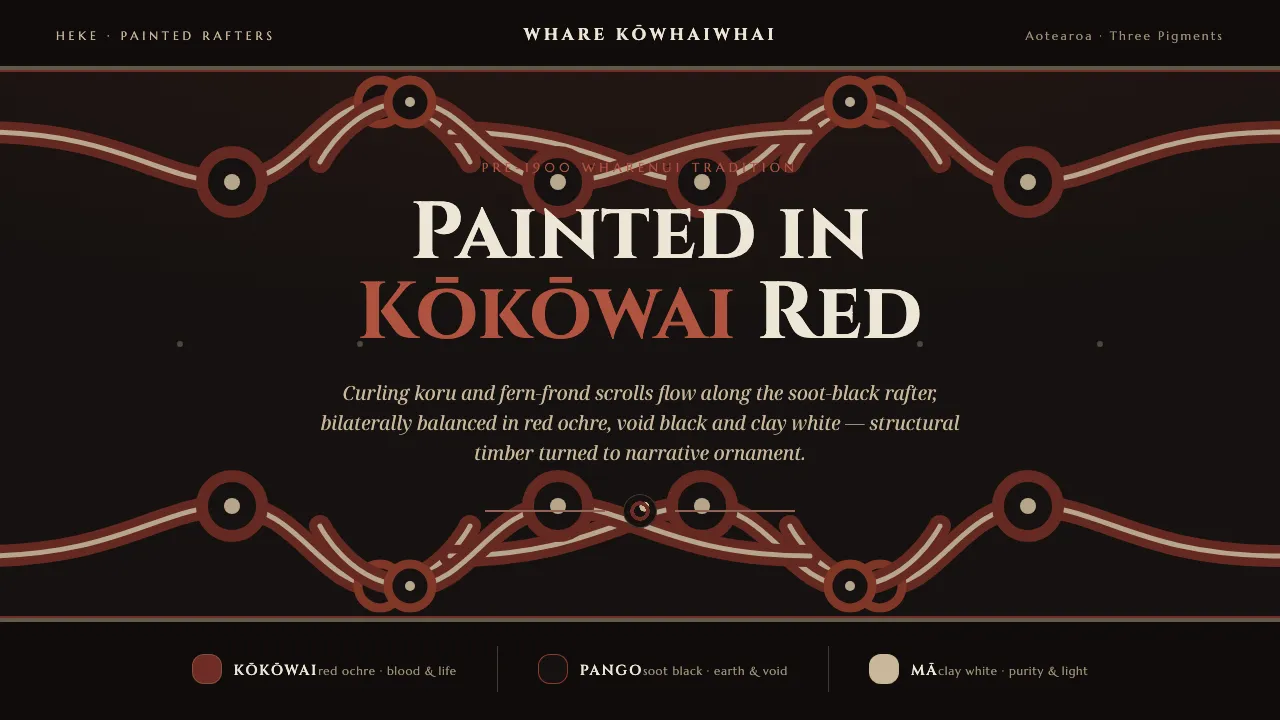
About Māori Kōwhaiwhai Rafter
Kōwhaiwhai are the painted koru and fern-frond scrolls that flow along the heke (rafters) inside a Māori wharenui meeting house. Curling, bilaterally balanced and rendered in three earth pigments — kōkōwai red ochre, soot black, and a pale clay grey-white — they turn structural timber into narrative ornament against a deep soot-black ground.
This design system distills that painted-rafter tradition into a digital language: a soot-black page, kōkōwai-red and white koru scrolls, and inscriptional serif type. Red carries blood and life, black the earth and the void of creation, white purity and light.
- Origin
- Aotearoa / New Zealand (Oceania)
- Era
- pre-1900 (continuing wharenui painted-rafter tradition)
- Key figures
- tohunga whakairo and heke painters of the wharenui · Wiremu Puke
- Movements
- Māori wharenui art · Kōwhaiwhai painted-rafter tradition
Māori Kōwhaiwhai Rafter design spec
Colors
Typography
The other 11 sections — buttons, cards, spacing, motion, techniques and more — open once you unlock. Download the DESIGN.md or send it to your AI in one click. Unlock once, yours forever.
Sign up nowStyles similar to Māori Kōwhaiwhai Rafter
Also inspired by crafts & folk art, with a close feel.
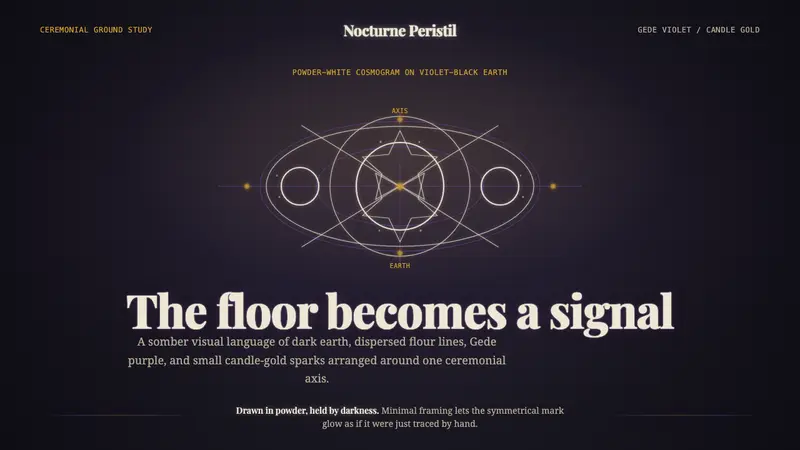 Haitian Vodou VèvèSomber ritual glow. Powder-white lines on violet-black earth, touched by candle gold.
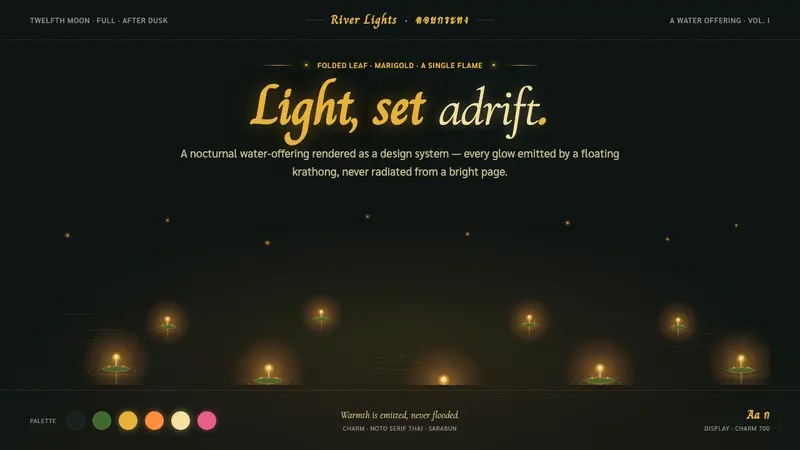 Loy Krathong (River Lights)Light, set adrift. Candle-gold flames on near-black river water — warmth emitted, never flooded.
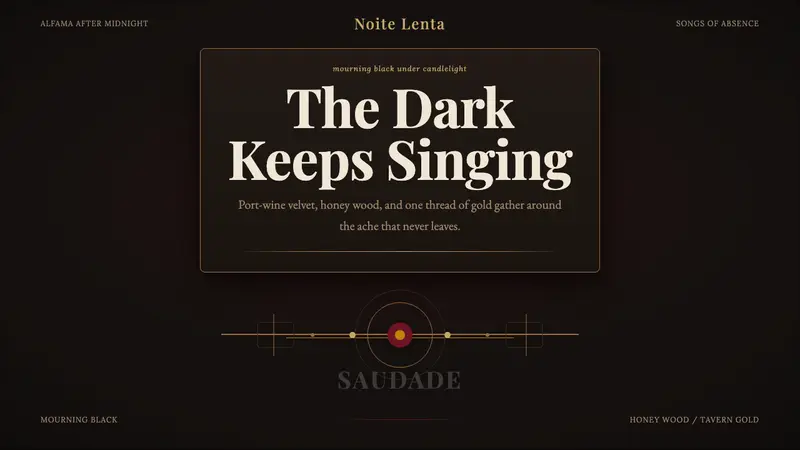 Fado SaudadeSaudade in shadow. Mourning black holds wine red, honey wood, and one gold line.
 Slate Headstone LettercuttingCold mineral, never paper. V-cut roman capitals catch a thin bevel highlight on dark slate stone.