About Kaleidoscope
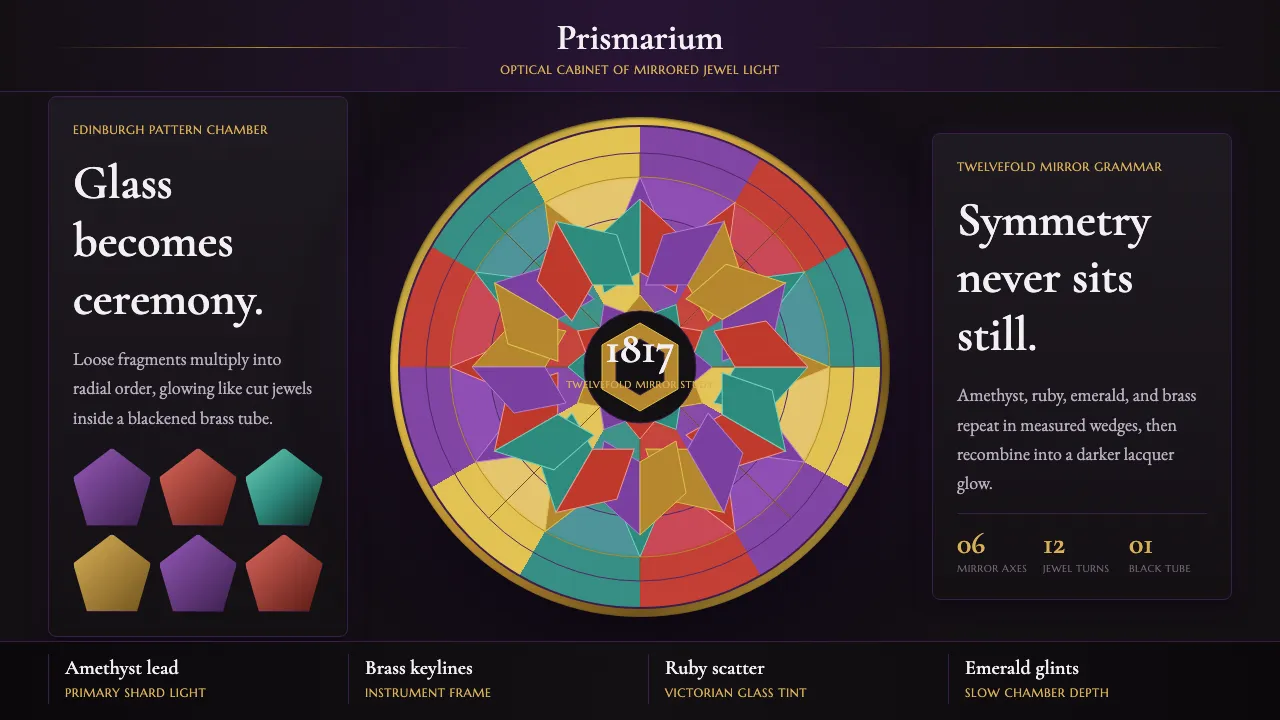
The kaleidoscope, patented by physicist Sir David Brewster in 1817, turns a few loose fragments of colored glass into an endless mandala through mirrored reflection. This system borrows its grammar: radial six- and twelve-fold symmetry, tumbling jewel shards, concentric rings of light, and a brass tube held against darkness. Everything glows from a near-black ground — amethyst, ruby, emerald and brass-gold shards catching light the way cut glass does inside the mirror chamber. Period serif type and symmetric, recombining layouts keep the optical-toy spirit: mathematical, maximal, mesmerizing.
- Origin
- Edinburgh, Scotland
- Era
- 1816 invented (Brewster); Victorian parlour-toy era 1817–1880s
- Key figures
- Sir David Brewster · Charles Bush
- Movements
- optical physics · Victorian parlour toys · symmetric pattern art
Kaleidoscope design spec
Colors
Typography
The other 11 sections — buttons, cards, spacing, motion, techniques and more — open once you unlock. Download the DESIGN.md or send it to your AI in one click. Unlock once, yours forever.
Sign up nowStyles similar to Kaleidoscope
Also inspired by crafts & folk art, with a close feel.
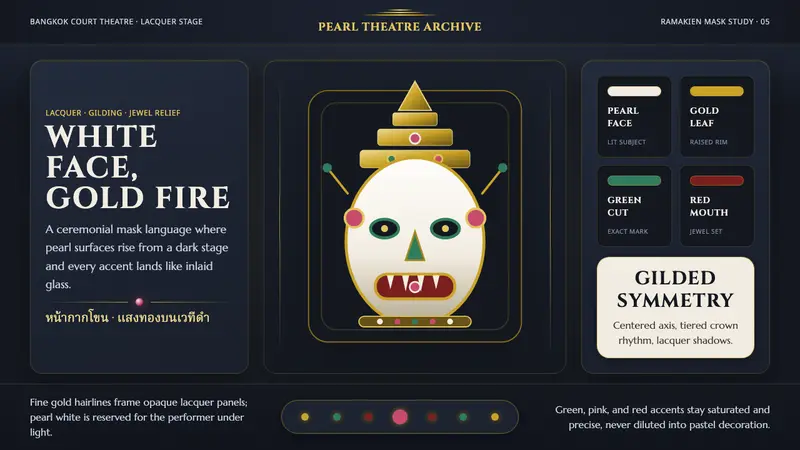 Thai Khon Hanuman MaskThai court theatre, digitized. A pearl-white mask and gilt coronet rise from dark lacquer.
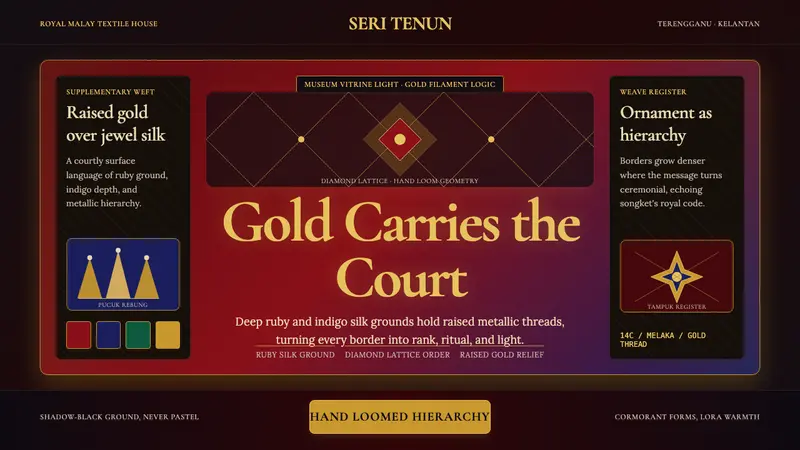 Malaysian Songket (Gold-Thread Weave)Royal textile opulence. Ruby and indigo silk grids lift gold-thread relief.
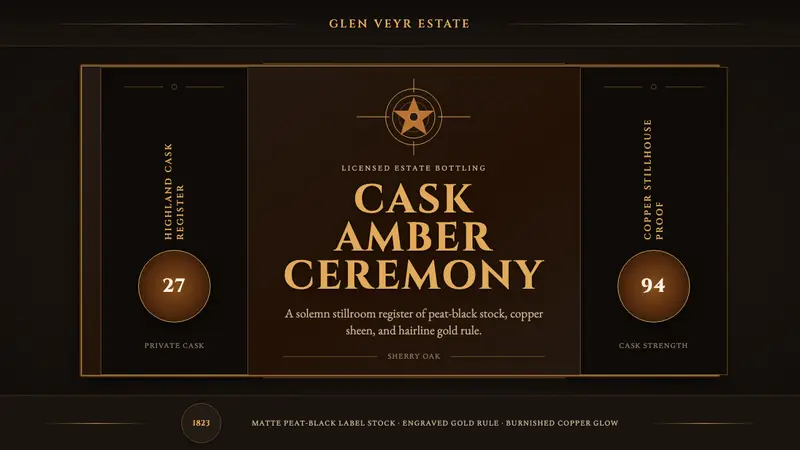 Single Malt ScotchSolemn amber gravity. Thin gold rules and Cinzel capitals glow on peat-black.
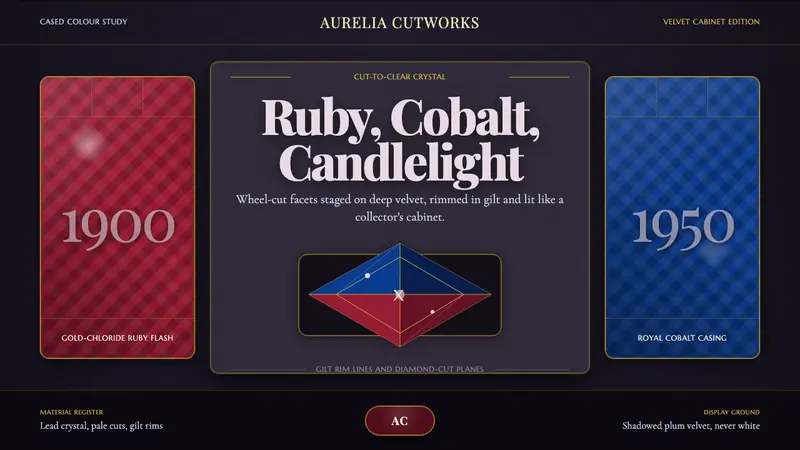 Bohemian Cut CrystalOpulence glows in shadow. Ruby and cobalt facets sit on velvet under gilt rim lines.