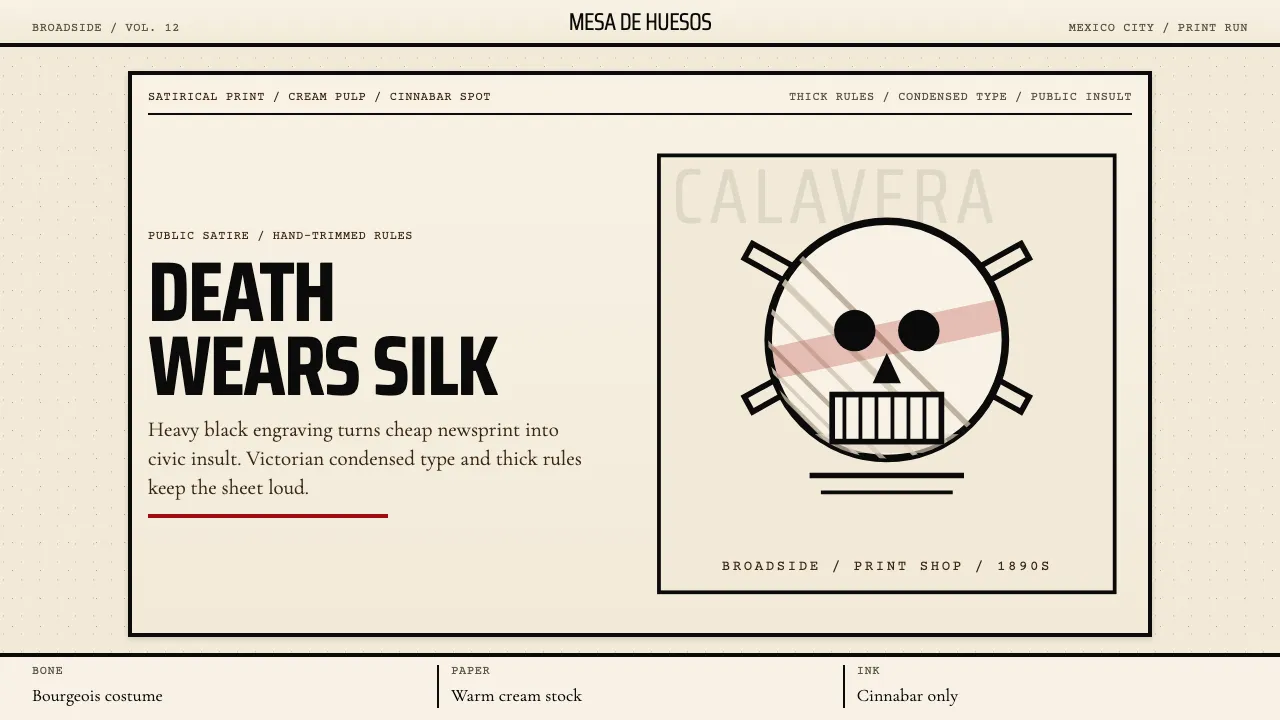
About José Guadalupe Posada Calavera
José Guadalupe Posada's relief-printed broadsides for the Vanegas Arroyo press defined a visual language of political satire through skeleton figures dressed in bourgeois finery. His calaveras — most famously La Catrina — turned death into democratic commentary on cheap cream-pulp newsprint.
This system channels that vocabulary: heavy black engraving lines on warm yellowed paper, cinnabar red spot-color, condensed Victorian display type, and thick rectilinear borders that evoke the broadside format of 1890s Mexico City print shops.
- Origin
- Mexico City, Aguascalientes, Mexico
- Era
- 1852–1913 active; rediscovered 1920s; canonized 1940s onward
- Key figures
- José Guadalupe Posada · Antonio Vanegas Arroyo · Manuel Manilla · Diego Rivera
- Movements
- Mexican popular-print broadside tradition · post-revolutionary Mexican muralism · Day of the Dead iconography
José Guadalupe Posada Calavera design spec
Colors
Typography
The other 11 sections — buttons, cards, spacing, motion, techniques and more — open once you unlock. Download the DESIGN.md or send it to your AI in one click. Unlock once, yours forever.
Sign up nowStyles similar to José Guadalupe Posada Calavera
Also inspired by art & artists, with a close feel.
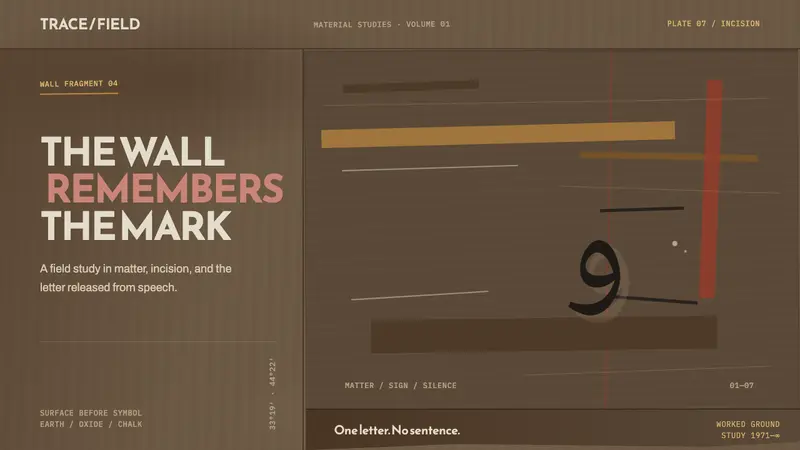 Hurufiyya MovementThe wall carries the meaning. Ochre scars and one off-axis letter break a field of dark earth.
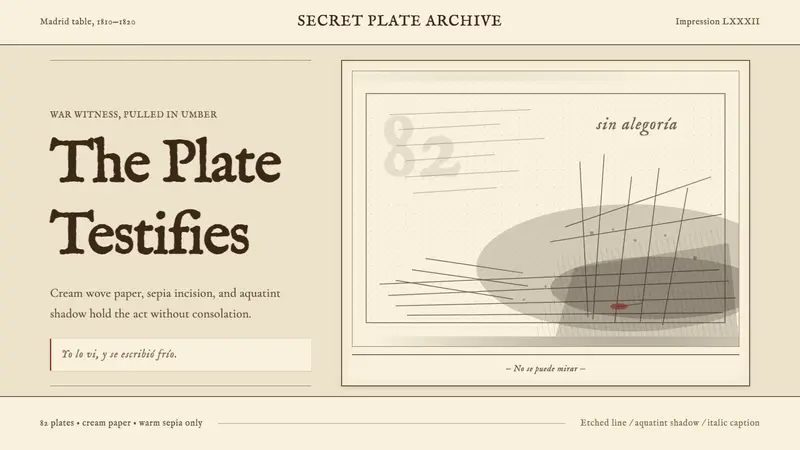 Goya — Disasters of WarWitness without ornament. Cream paper, umber line, aquatint shadow, italic caption.
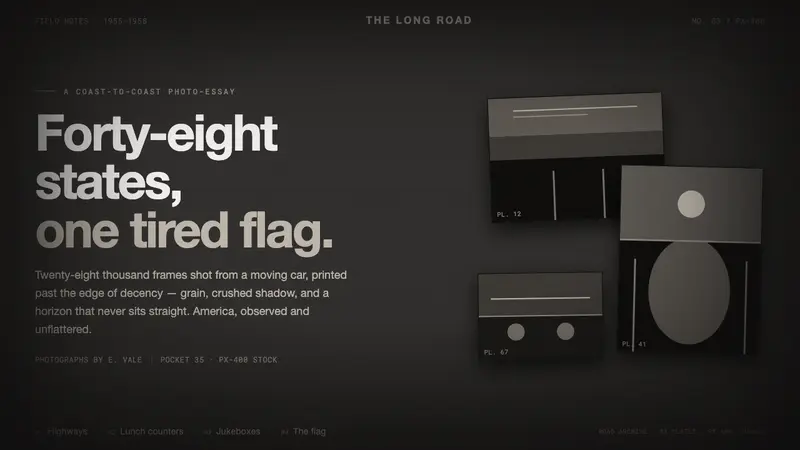 Robert Frank — The AmericansReportage, polish stripped off. Warm sooty charcoal, crushed near-black shadow, grain, tilted frame.
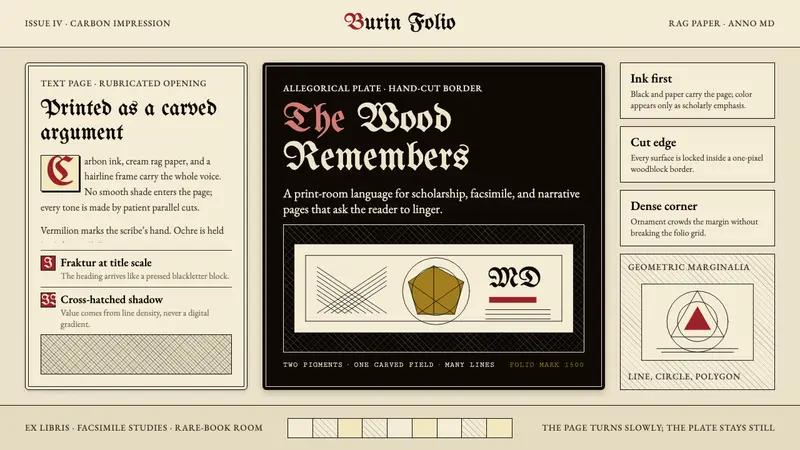 Dürer WoodcutInk remembers everything. Fraktur titles, rag-paper cream, and cross-hatched geometry.