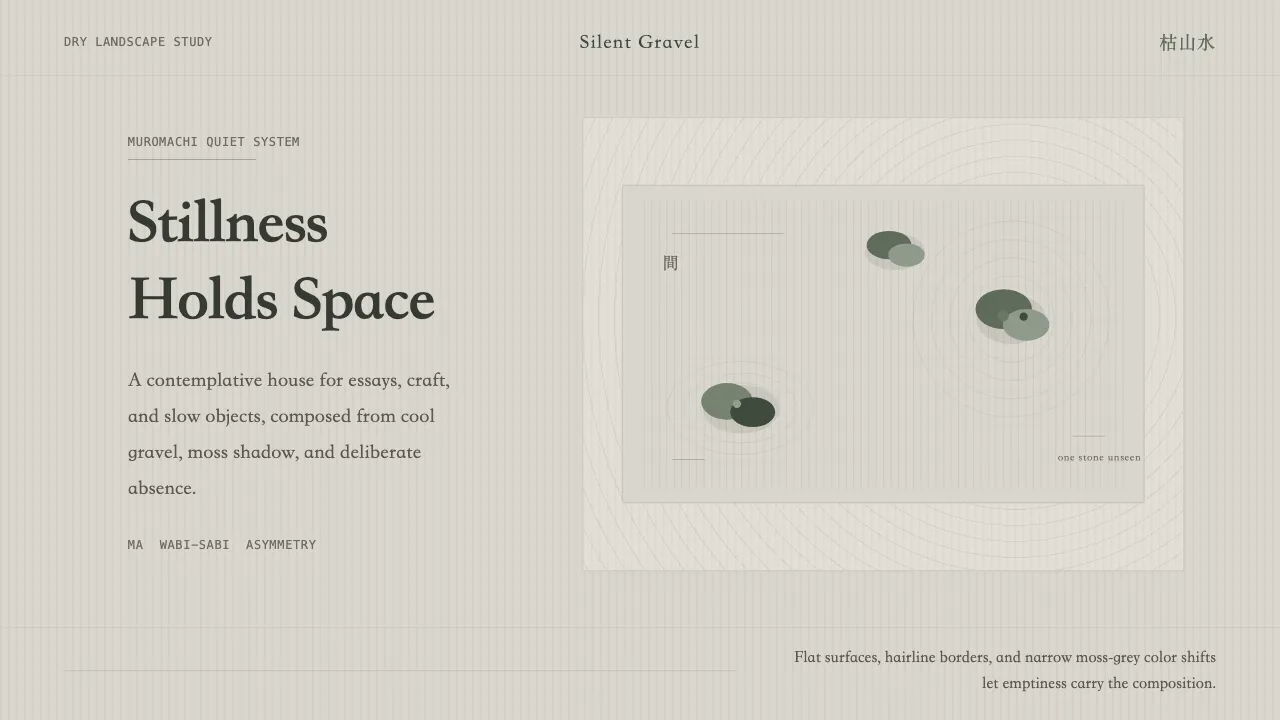
About Zen Karesansui Garden
Karesansui — the dry rock garden of Zen monasteries — composes a whole landscape from raked grey gravel and a few weathered stones. At Ryōan-ji in Kyoto, fifteen moss-rocks sit on a bed of pale chert gravel, arranged so that no single vantage shows them all at once. The design language borrows that discipline: cool grey ground, muted moss-green stone, asymmetric placement, and long quiet margins where nothing happens on purpose.
This is a system about ma — the active emptiness between things. Restraint is the rule, not the exception. Type is calligraphic and serif, colour stays inside a narrow grey/moss family, and ornament gives way to space. Every element earns its place by sitting alone.
- Origin
- Kyoto, Japan / East Asia
- Era
- Muromachi-period karesansui tradition (Ryōan-ji, 15th c.); contemplative form unchanged into the present
- Key figures
- Ryōan-ji monastic garden makers · Musō Soseki
- Movements
- Zen Buddhism · karesansui dry landscape · wabi-sabi
Zen Karesansui Garden design spec
Colors
Typography
The other 11 sections — buttons, cards, spacing, motion, techniques and more — open once you unlock. Download the DESIGN.md or send it to your AI in one click. Unlock once, yours forever.
Sign up nowStyles similar to Zen Karesansui Garden
Also inspired by architecture & places, with a close feel.
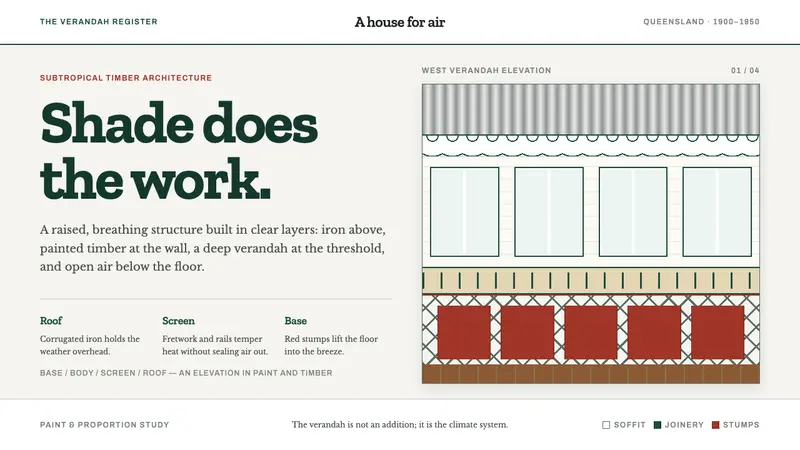 Queenslander HouseShade is the architecture. Iron, weatherboard and green joinery stack as a breathing elevation.
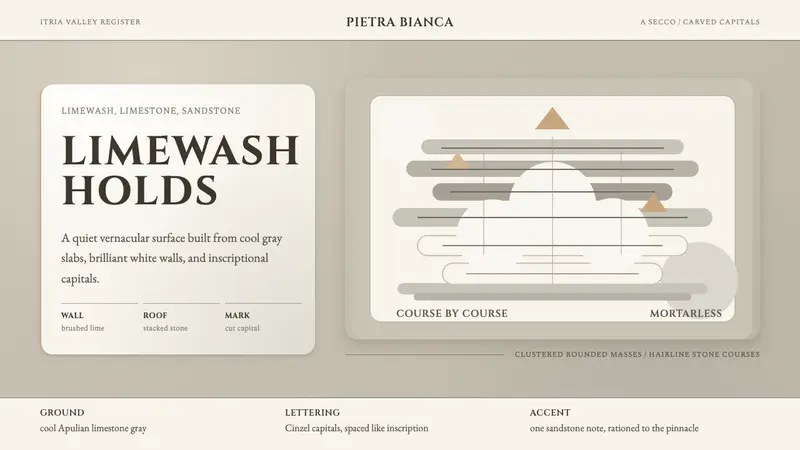 Trulli AlberobelloQuietly monumental. Cool limestone, limewash fields, and Cinzel capitals stack by hand.
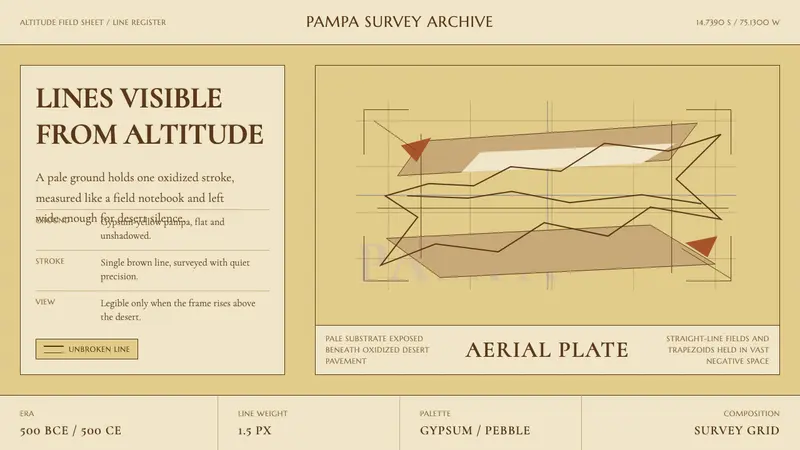 Peruvian Nazca Lines (Geoglyph)Vastness holds the line. Gypsum ground, pebble-brown strokes, and survey-grid silence.
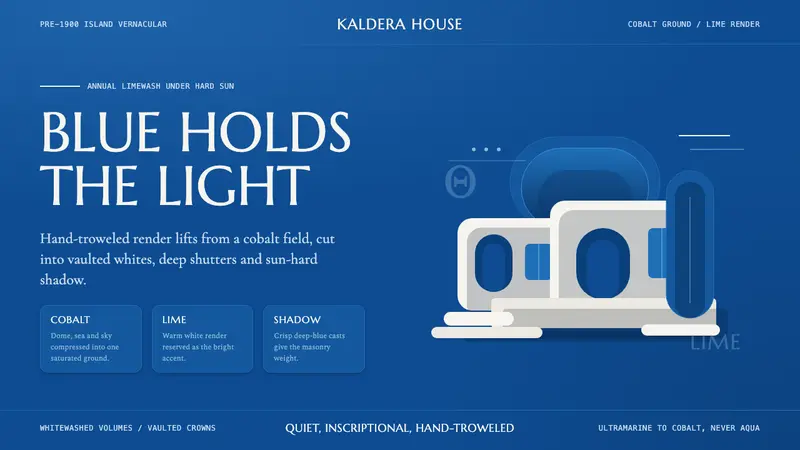 Cycladic SantoriniQuiet island gravity. Cobalt field, Marcellus capitals and white vaults hold hard sun.