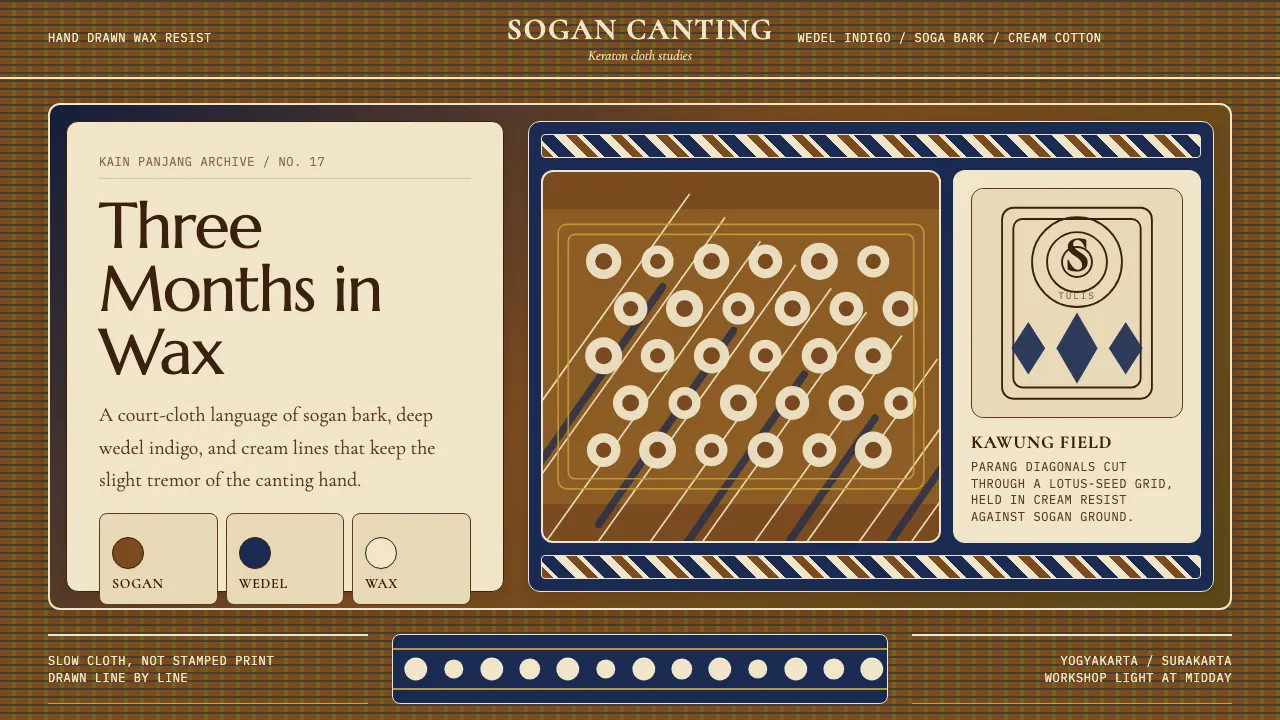
About Javanese Batik Tulis (Keraton Sogan)
Javanese batik tulis is the slowest textile art on earth — a single cloth takes three to six months of hand-drawn wax lines from a copper canting kettle, followed by repeated indigo and sogan-bark dye baths. Royal courts in Yogyakarta and Surakarta codified the sacred motifs — parang rusak diagonal swords, kawung lotus-seed circles, semen organic vines — forbidding commoners from wearing them until independence.
This design system channels the keraton workshop at midday: warm sogan-brown grounds, deep indigo wedel shadows, and cream wax-resist lines revealing intricate patterns with the slight wobble of a hand-held canting. Every surface carries the density and patience of cloth that was drawn, not printed.
Learn more about the Javanese Batik Tulis (Keraton Sogan) style
- Origin
- Indonesia (Central Java — Yogyakarta, Surakarta/Solo)
- Era
- 8th-century origins; codified 17th c. under Sultan Agung; UNESCO ICH 2009
- Key figures
- Sultan Agung · Pakubuwono X · Iwan Tirta · K. R. T. Hardjonagoro
- Movements
- keraton court batik · pesisir coastal batik · batik tulis
Javanese Batik Tulis (Keraton Sogan) design spec
Colors
Typography
The other 11 sections — buttons, cards, spacing, motion, techniques and more — open once you unlock. Download the DESIGN.md or send it to your AI in one click. Unlock once, yours forever.
Sign up nowStyles similar to Javanese Batik Tulis (Keraton Sogan)
Also inspired by crafts & folk art, with a close feel.
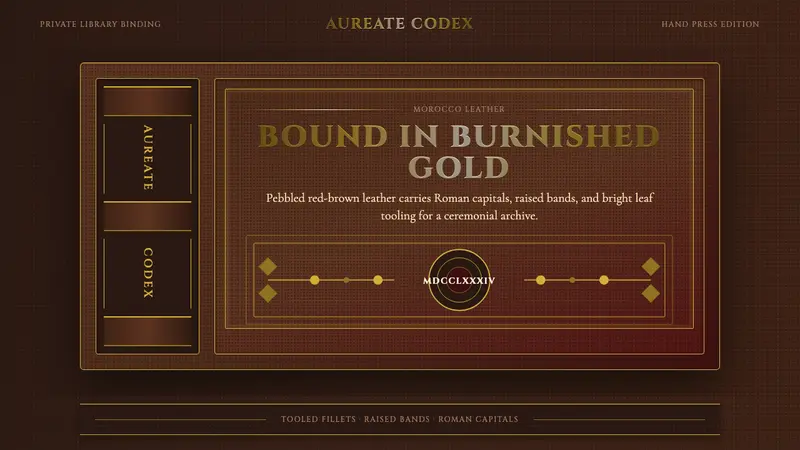 Gilt Leather BindingWeight without noise. Deep Morocco leather, Cinzel capitals, and burnished gilt rules.
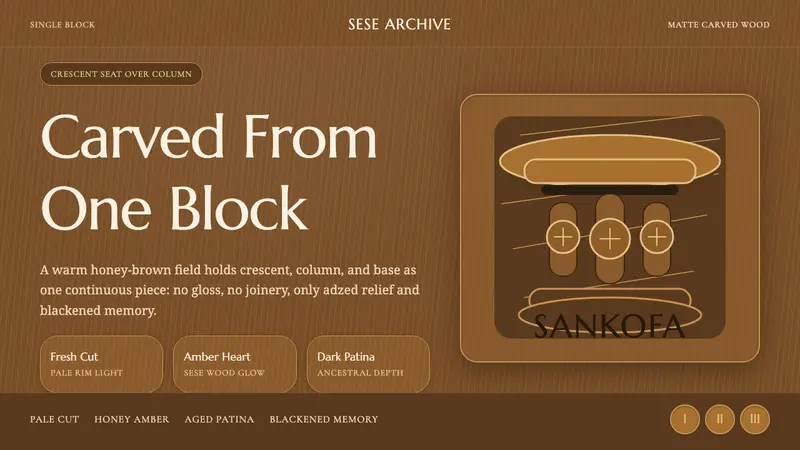 Akan Carved StoolMatte wood carries memory. Honey amber, Marcellus type, and crescent-column relief.
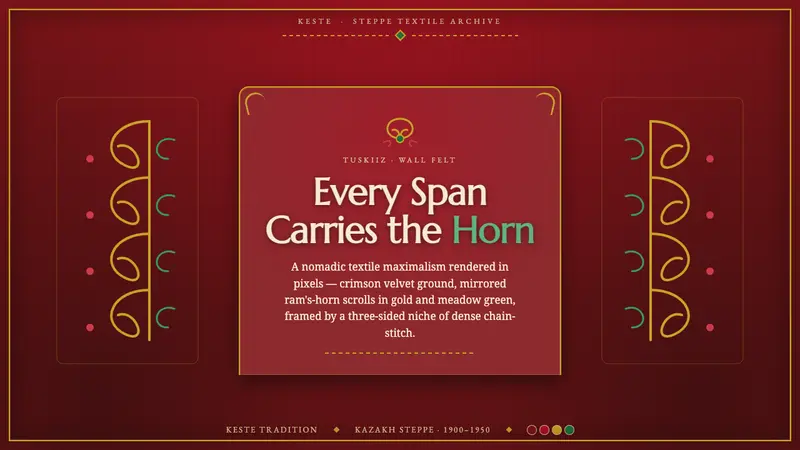 Kazakh Tuskiiz Wall HangingNothing flat, nothing empty. Crimson velvet, gold-green ram's-horn scrolls, a chain-stitched niche.
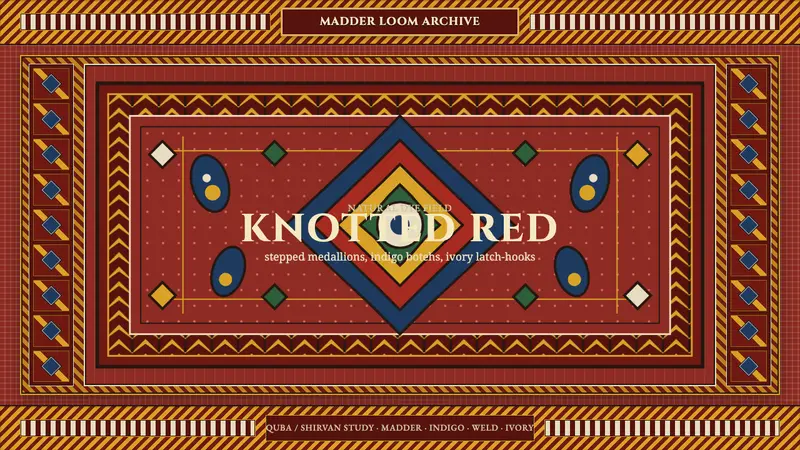 Azerbaijani Quba CarpetRed is the field. Indigo botehs and ivory latch-hooks orbit a stepped medallion.