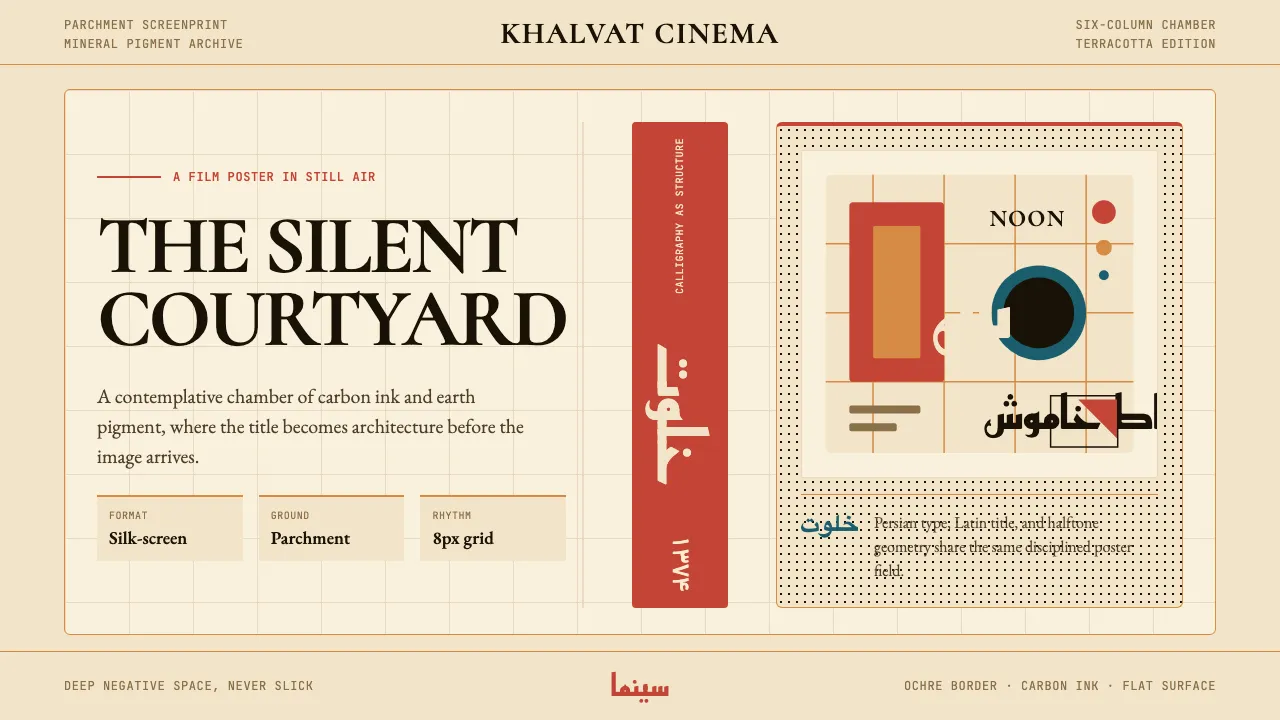
About Iranian Modernist Cinema Poster
Iranian modernist cinema posters fuse Persian calligraphic architecture with Swiss grid discipline — silk-screened in terracotta, ochre, and carbon ink on parchment cream. Born in 1960s Tehran alongside Kiarostami and Beyzaie's New Wave films, the tradition treats each poster as a contemplative chamber where Nastaliq letterforms breathe in deep negative space.
This system translates that mineral-pigment palette and paper-collage materiality into digital tokens: warm earth tones, serif typography sharing space with geometric Kufi display faces, sharp posterly radii, and halftone texture — never overcrowded, never slick.
- Origin
- Iran — Tehran, Isfahan
- Era
- 1960s–1979 (pre-revolution New Wave), 1990s–present (revival)
- Key figures
- Mortezā Momayez · Reza Abedini · Saed Meshki · Iraj Anvari
- Movements
- Iranian New Wave cinema · Tehran Graphic Design Society · Iranian post-modernist typography
Iranian Modernist Cinema Poster design spec
Colors
Typography
The other 11 sections — buttons, cards, spacing, motion, techniques and more — open once you unlock. Download the DESIGN.md or send it to your AI in one click. Unlock once, yours forever.
Sign up nowStyles similar to Iranian Modernist Cinema Poster
Also inspired by print & type, with a close feel.
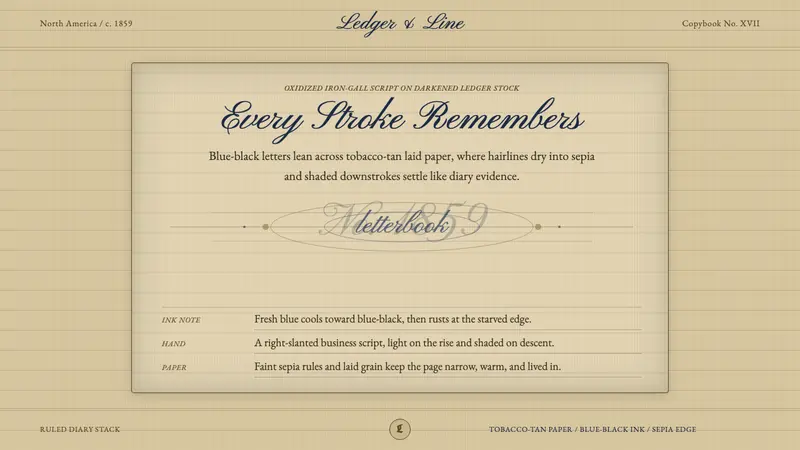 Spencerian PenmanshipLyrical ink, aged by time. Blue-black script rides tobacco-tan ruled paper.
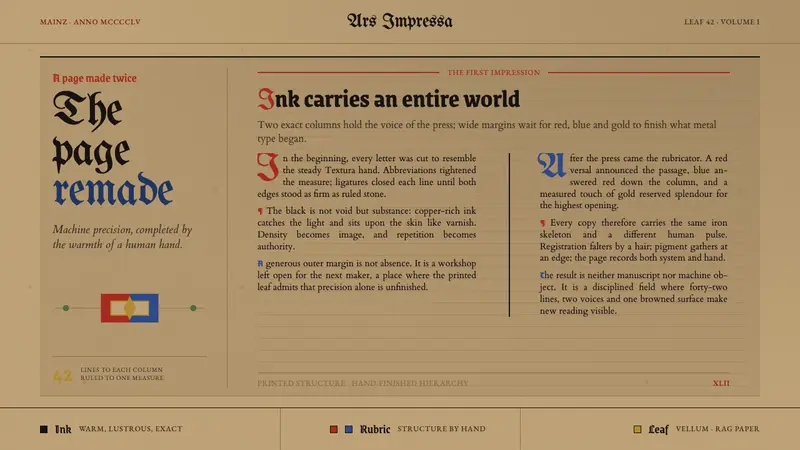 Gutenberg 42-Line BiblePrecision awaits the hand. Dense black columns open into red, blue and gold on browned vellum.
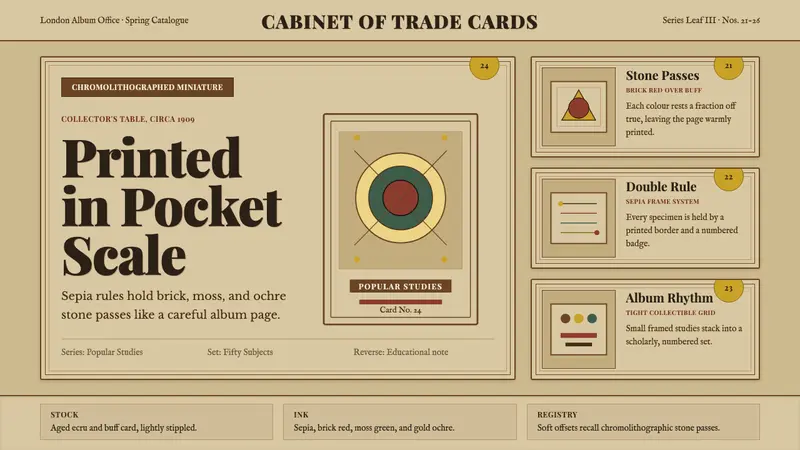 Cigarette Card SetCollectible scholarship. Sepia double-rules, buff stock, and ochre badges frame the set.
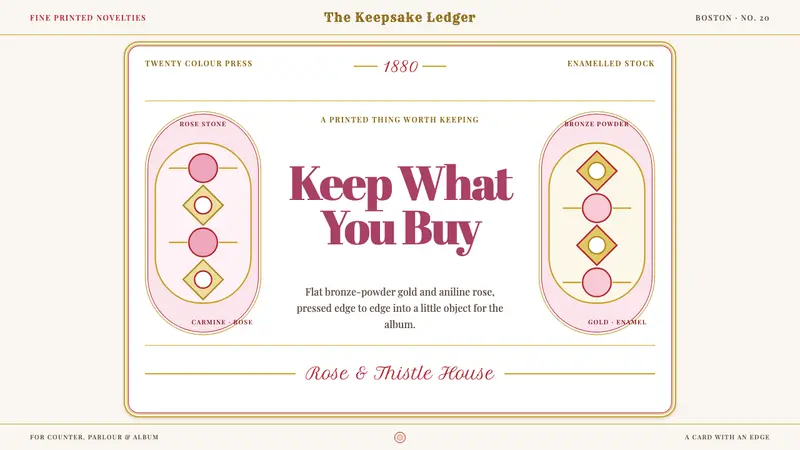 Victorian Chromo Trade CardAdvertising made collectible. Flat bronze gold and aniline rose fill an enamelled, framed card.