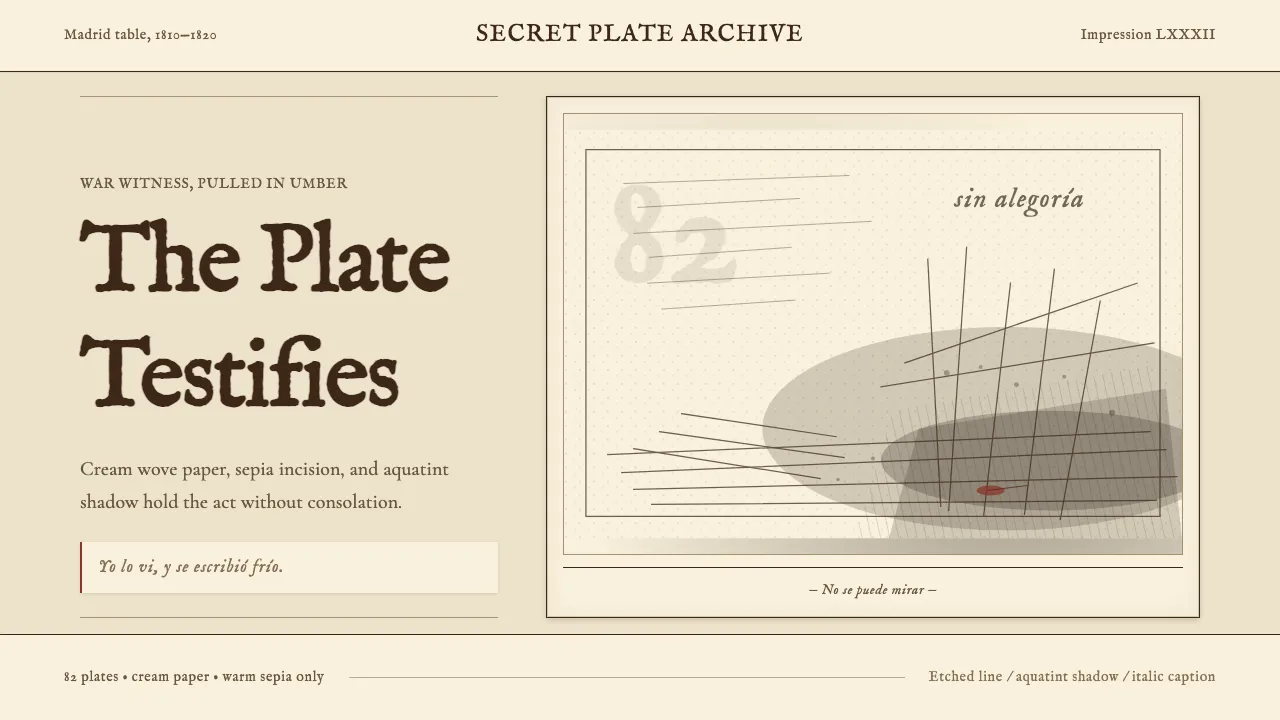
About Goya — Disasters of War
Goya's *Los Desastres de la Guerra* is the moment European print art became journalism — 82 etchings made in secret between 1810 and 1820, in raw response to Napoleon's invasion of Spain, too brutal to publish in the artist's lifetime. The aesthetic is monastic: a single etched plate, sepia line, aquatint shadow, one terse handwritten caption beneath. This system translates that discipline to the screen — cream wove paper as the ground, warm umber-sepia for every line, deep aquatint pools for emphasis, and italic Spanish-flavored captions instead of decoration. No gilding, no allegory, no cheer. Just the act itself, captioned with cold honesty.
- Origin
- Spain — Madrid, Aragon, Bordeaux exile
- Era
- 1810–1820 (drawn during Peninsular War); first edition published posthumously 1863
- Key figures
- Francisco de Goya y Lucientes · Pío López · Tomás Harris · Eleanor Sayre
- Movements
- late Romantic witnessing · proto-modern war-reportage · aquatint etching mastery
Goya — Disasters of War design spec
Colors
Typography
The other 11 sections — buttons, cards, spacing, motion, techniques and more — open once you unlock. Download the DESIGN.md or send it to your AI in one click. Unlock once, yours forever.
Sign up nowStyles similar to Goya — Disasters of War
Also inspired by art & artists, with a close feel.
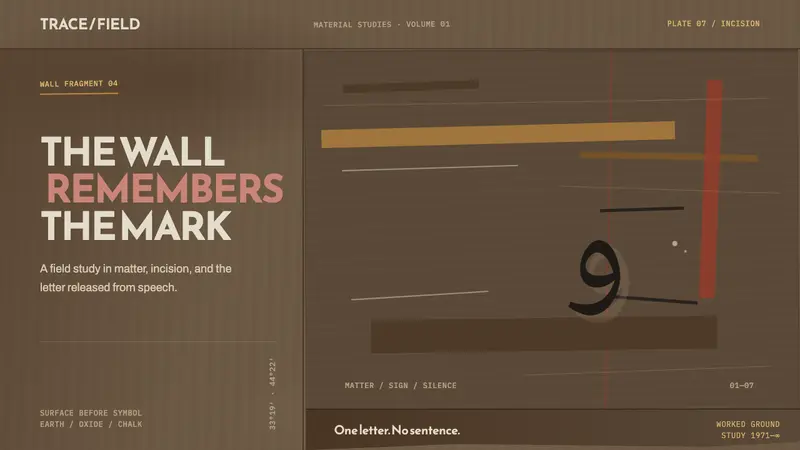 Hurufiyya MovementThe wall carries the meaning. Ochre scars and one off-axis letter break a field of dark earth.
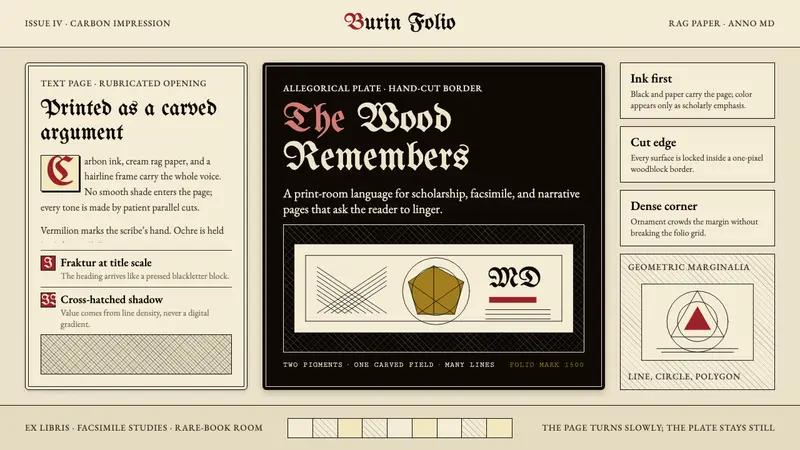 Dürer WoodcutInk remembers everything. Fraktur titles, rag-paper cream, and cross-hatched geometry.
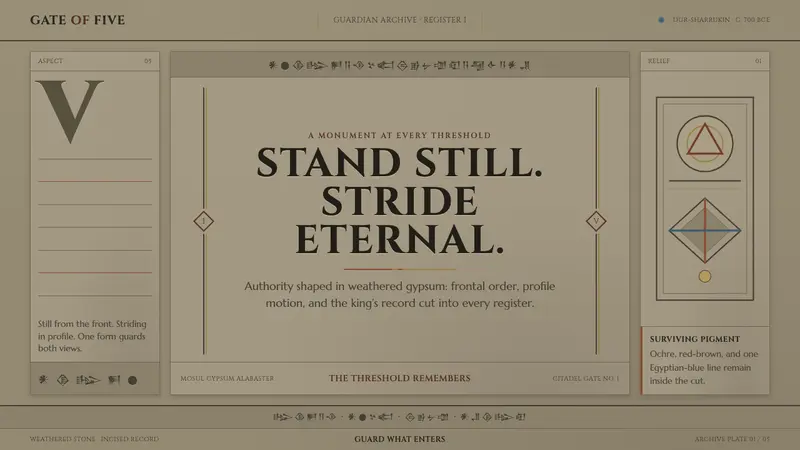 Assyrian Lamassu ReliefAuthority carved into silence. Buff-gray stone, monumental capitals, and cuneiform registers.
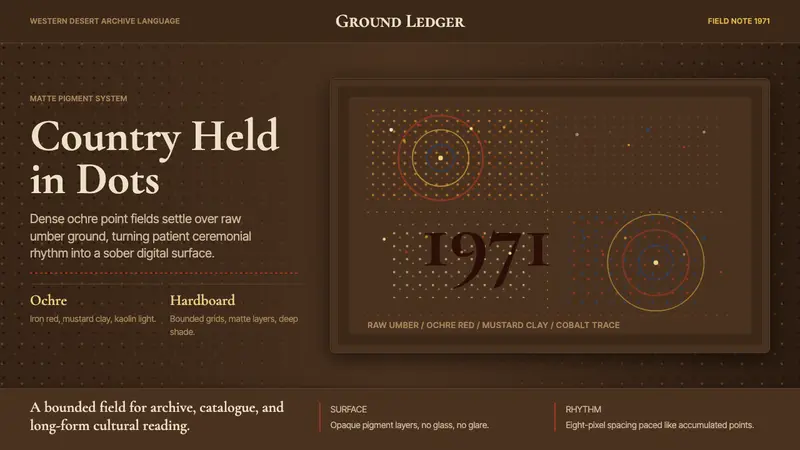 Aboriginal Dot Painting (Papunya 1971)Ochre memory, held steady. Raw umber ground, Cormorant type, disciplined dot-fields.