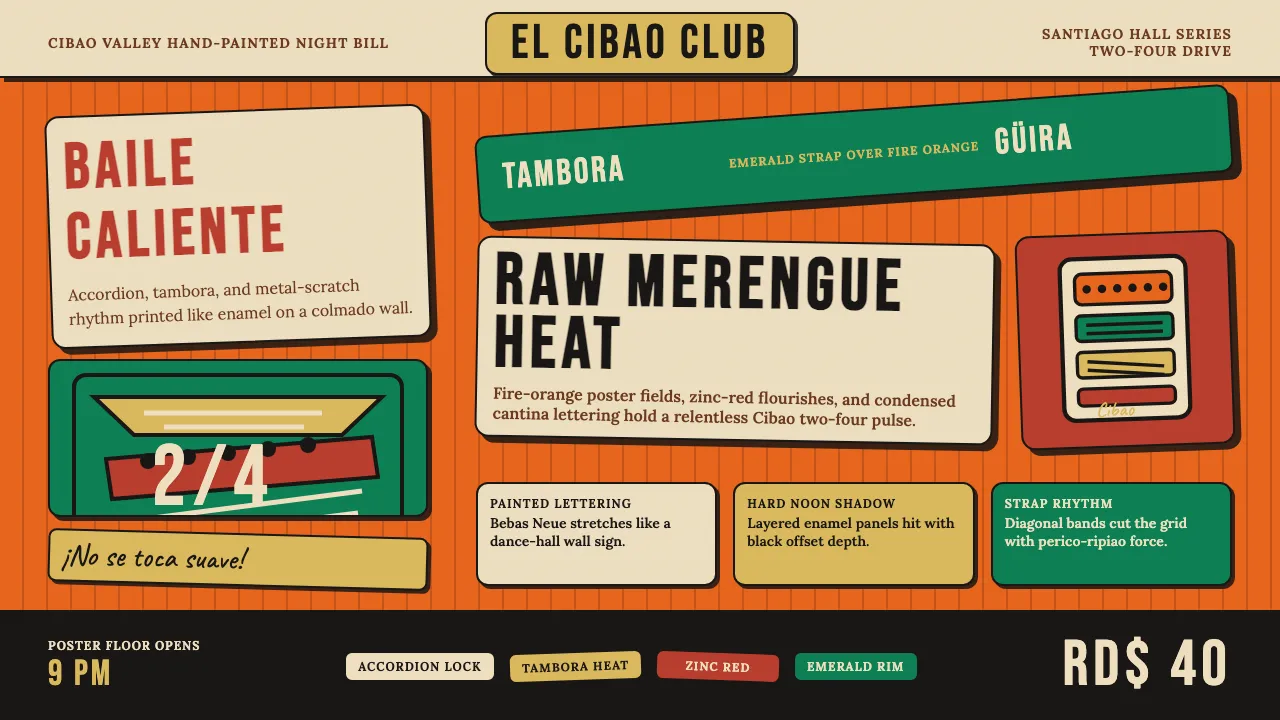
About Dominican Merengue Perico Ripiao
Perico ripiao is the raw Cibao-valley root of merengue: tambora, güira, and button accordion locked in relentless two-four drive since the 1840s. Its visual identity channels the 1950s–60s Santo Domingo dance-hall poster — fire-orange ground, hand-painted condensed lettering, emerald and zinc-red flourishes torn from cantina signage.
This design system captures that sun-cured, enamel-sign maximalism: saturated color fields, diagonal banner-strap compositions, and brush-stroke irregularity that refuses modernist restraint. Every surface feels pinned to a Cibao colmado wall.
- Origin
- Cibao Valley (Santiago de los Caballeros), Santo Domingo, Dominican Republic
- Era
- 1840s rural Cibao origin; visual language ~1950s–1960s dance-hall poster era
- Key figures
- Ñico Lora · Tatico Henríquez · Fefita La Grande · Johnny Ventura
- Movements
- Perico ripiao folk tradition · Trujillo-era merengue nationalization · 1960s urban-orchestra merengue · UNESCO Intangible Heritage 2016
Dominican Merengue Perico Ripiao design spec
Colors
Typography
The other 11 sections — buttons, cards, spacing, motion, techniques and more — open once you unlock. Download the DESIGN.md or send it to your AI in one click. Unlock once, yours forever.
Sign up nowStyles similar to Dominican Merengue Perico Ripiao
Also inspired by crafts & folk art, with a close feel.
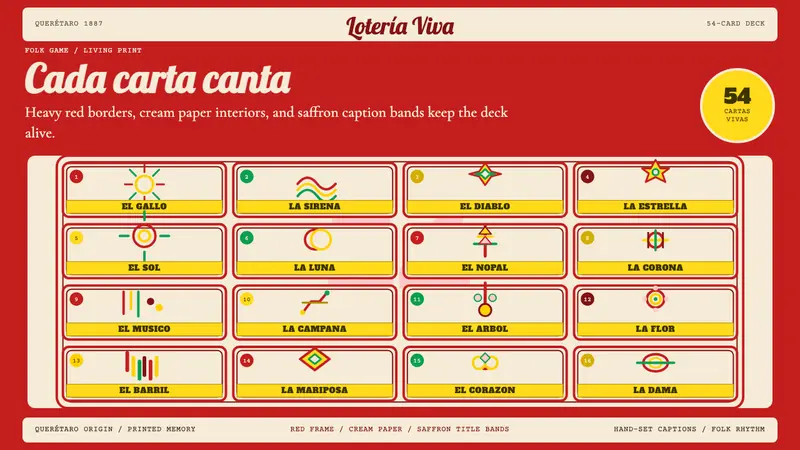 Mexican Lotería Folk CardLiving folk ritual. Cream cards, red borders, and saffron caption bands make each tile sacred.
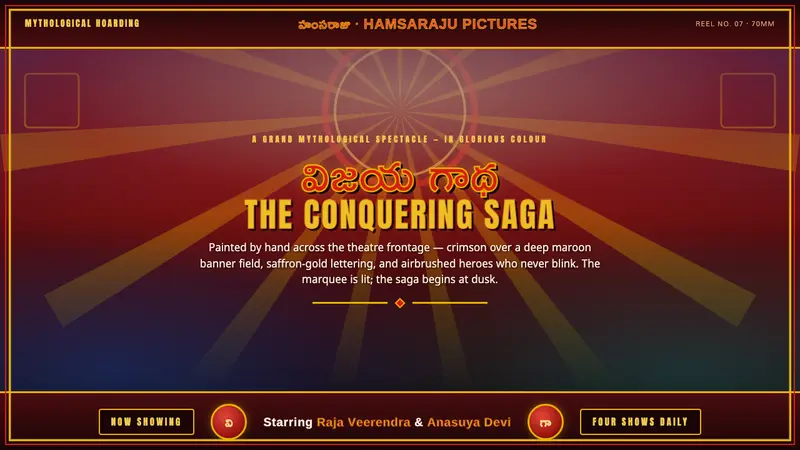 Telugu Tollywood PosterMythological marquee maximalism. Crimson over maroon, gold-outlined Telugu display, sunburst halos.
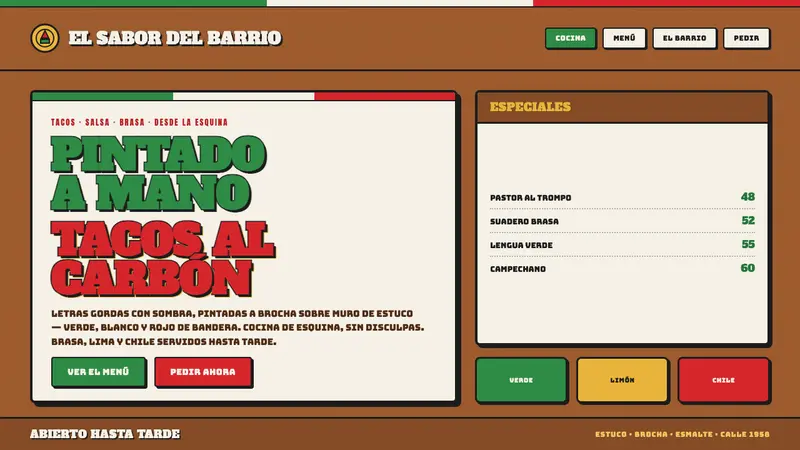 Mexican Taqueria Rotulo SignageStreet craft over polish. Fat outlined letters, hard offset shadows, flag colors on terracotta.
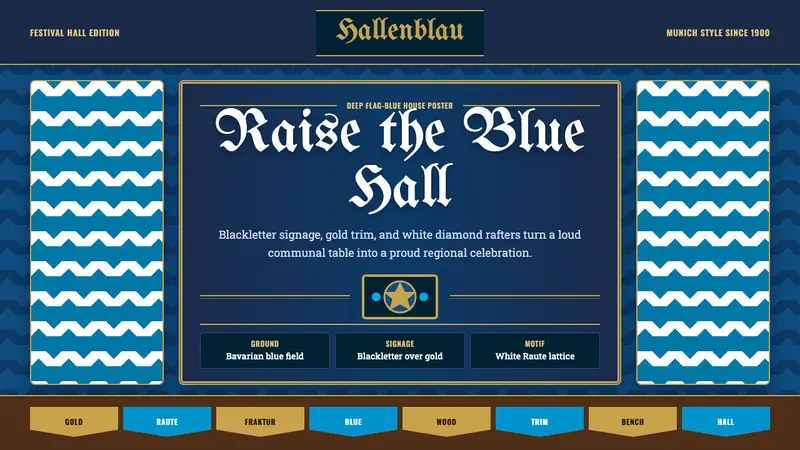 Bavarian Beer HallHearty regional ceremony. Deep flag-blue, Fraktur signage, gold trim, and white Raute diamonds.