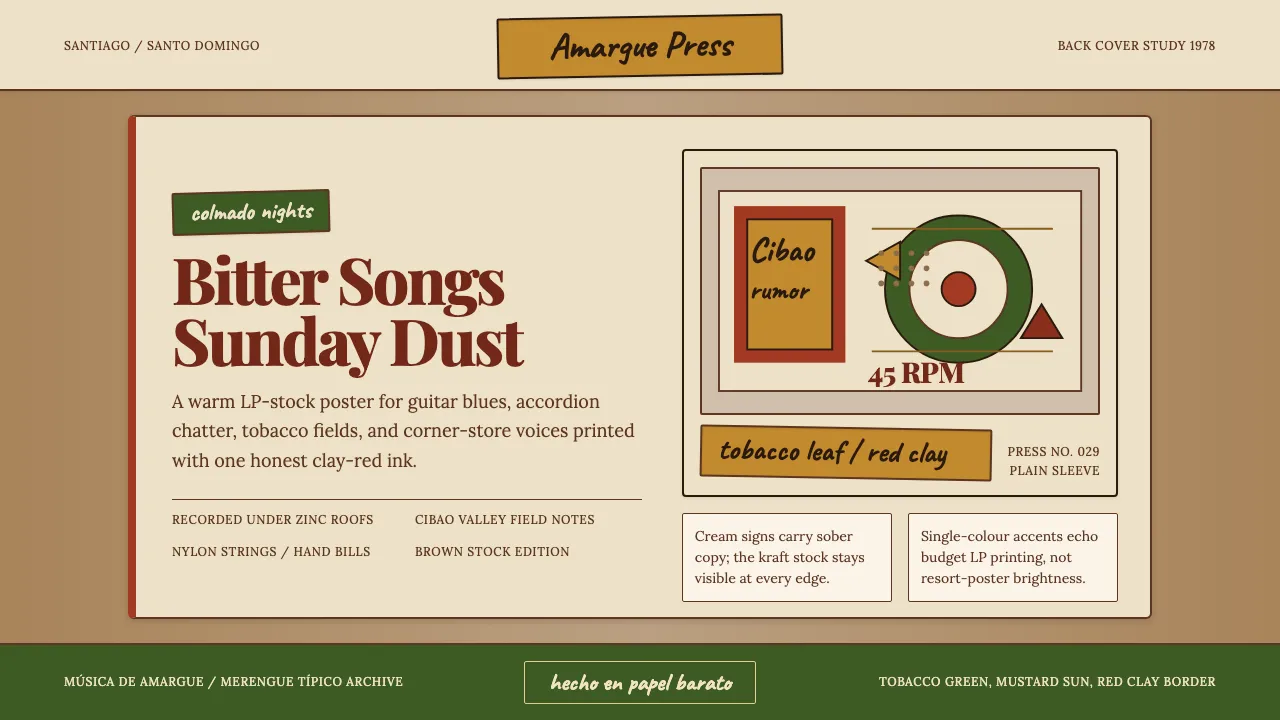
About Dominican Bachata & Perico Ripiao
Dominican bachata and perico ripiao share roots in the rural Cibao Valley and the working-class barrios of Santo Domingo — music born from heartbreak, rum, and Sunday gatherings. This design system channels the visual world of 1970s LP back covers printed on cheap brown stock: kraft-paper warmth, hand-lettered colmado signage, and a palette drawn from tobacco leaves, sun-dried clay, and faded turquoise shutters.
The aesthetic is plainspoken and sober, never tourist-bright. One bold colour anchors each composition against warm tan backgrounds, with typewriter-credit text blocks and hand-painted edge frames recalling the era when bachata was still dismissed as música de amargue.
Learn more about the Dominican Bachata & Perico Ripiao style
- Origin
- Dominican Republic — Santiago, Cibao Valley, Santo Domingo barrios
- Era
- 1962 first bachata recording; visual peak 1970s–1990s; perico ripiao from 1860s
- Key figures
- José Manuel Calderón · Luis Segura · Tatico Henríquez · Anthony Santos
- Movements
- Dominican rural folk music · post-Trujillo barrio culture · Latin guitar-trio bolero tradition
Dominican Bachata & Perico Ripiao design spec
Colors
Typography
The other 11 sections — buttons, cards, spacing, motion, techniques and more — open once you unlock. Download the DESIGN.md or send it to your AI in one click. Unlock once, yours forever.
Sign up nowStyles similar to Dominican Bachata & Perico Ripiao
Also inspired by film, games & music, with a close feel.
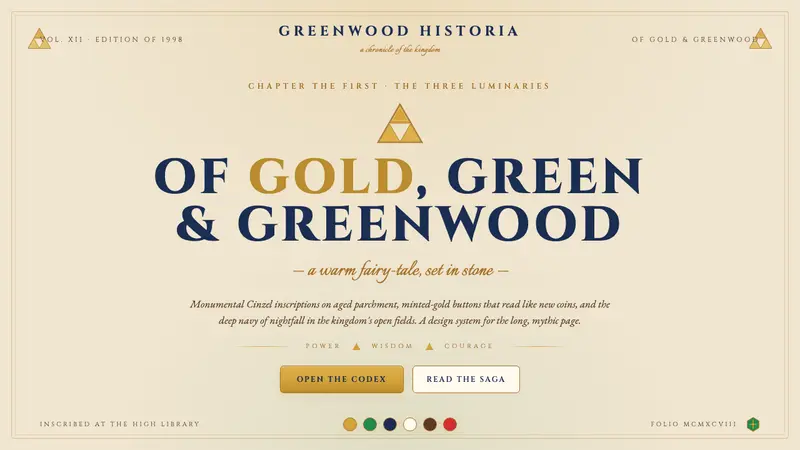 Zelda Ocarina of TimeWarm-fantasy mythology as a UI. Cinzel inscriptions on cream parchment, minted-gold CTAs, deep-navy night.
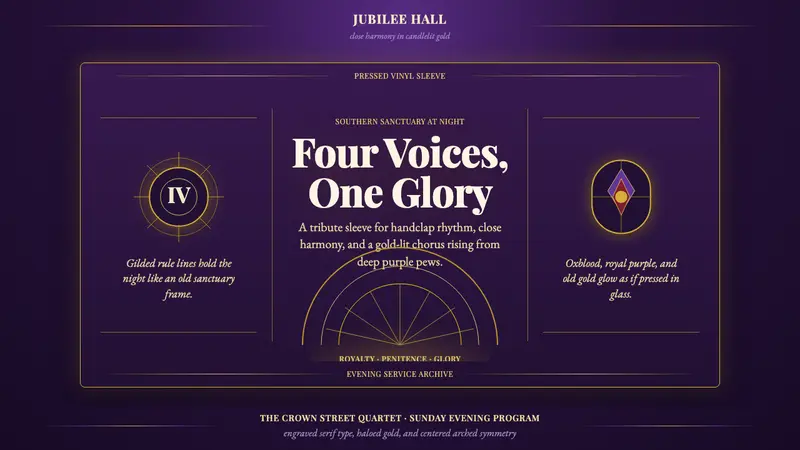 Gospel QuartetReverent and radiant. Liturgical purple, Playfair serifs, and arched gold rules glow.
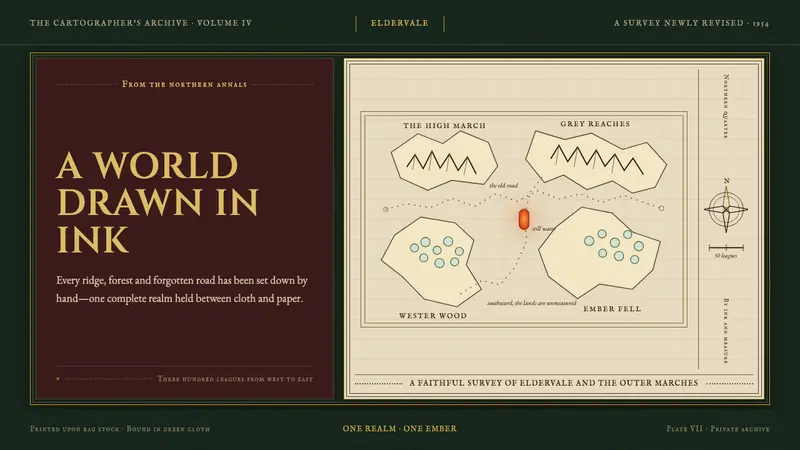 Tolkien Middle-earth (1954)A whole world held in ink. Gilt type and vellum cartography glow against bottle-green cloth.
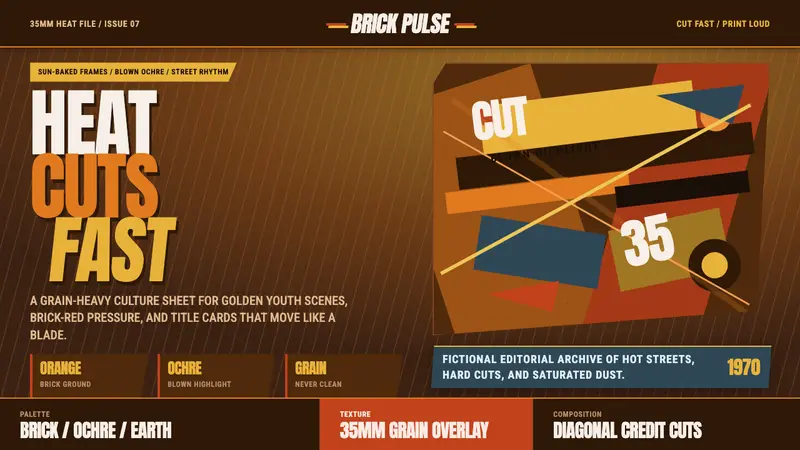 City of God FavelaHeat refuses polish. Orange brick, ochre glare, diagonal cuts, and grain do the work.