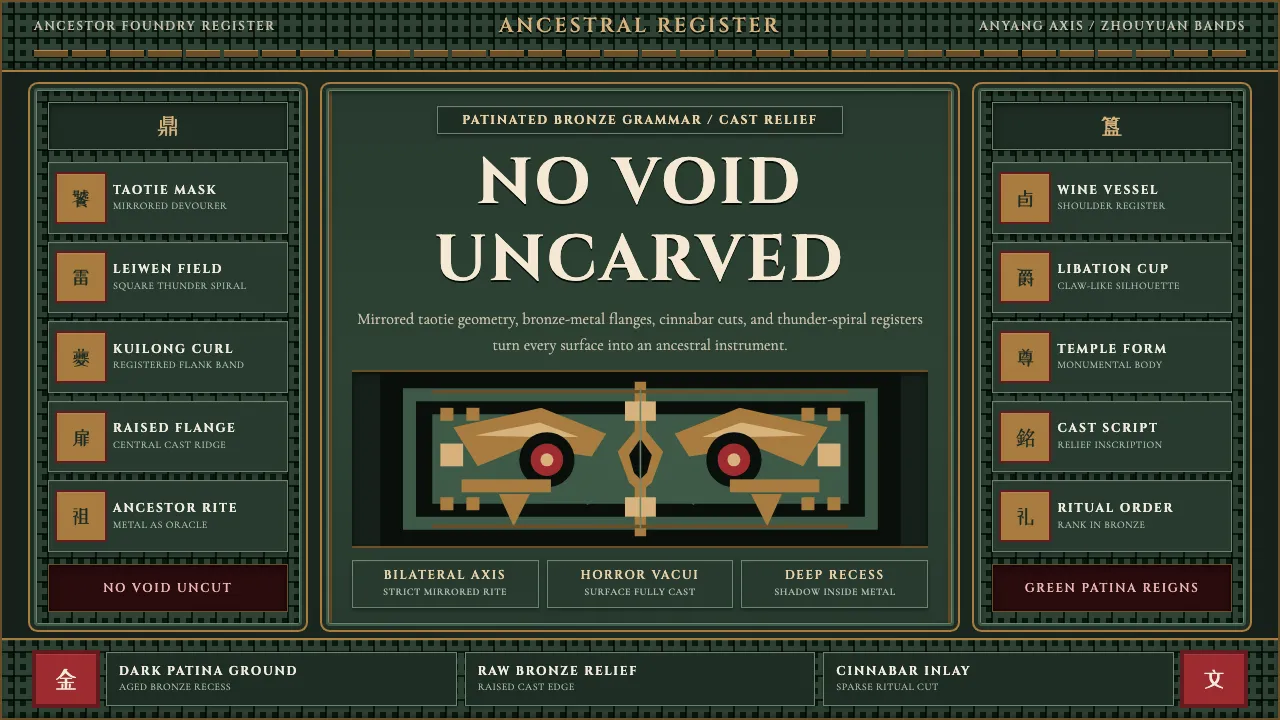
About Shang-Zhou Ritual Bronze
Shang-Zhou ritual bronze is the ur-grammar of Chinese pattern — cast in metal 3300 years ago at the Anyang and Zhouyuan royal foundries, never surpassed for menacing density. Every surface bears the taotie mask, the leiwen thunder-spiral, the kuilong dragon, packed at horror-vacui density into a green-patinated bronze body.
The aesthetic insists every square millimeter be carved. Strict bilateral symmetry, raised flanges, registered bands, deep cast-shadow recesses. Compared with later Chinese ornament: older, heavier, more zoomorphic, less calligraphic — and cosmic-terrifying rather than decorative.
- Origin
- North China — Anyang (Henan), Zhouyuan (Shaanxi), Sanxingdui (Sichuan)
- Era
- Late Shang c. 1300–1046 BCE through Western Zhou 1046–771 BCE; Eastern Zhou softening 770–476 BCE
- Key figures
- Lady Fu Hao 妇好 · Duke of Zhou 周公旦 · Anyang Yinxu foundry-masters · Sanxingdui sculptor-priests
- Movements
- Chinese Bronze Age ritual hierarchy · ancestor-worship 祖先崇拜 · Zhou ritual codification 周礼
Shang-Zhou Ritual Bronze design spec
Colors
Typography
The other 11 sections — buttons, cards, spacing, motion, techniques and more — open once you unlock. Download the DESIGN.md or send it to your AI in one click. Unlock once, yours forever.
Sign up nowStyles similar to Shang-Zhou Ritual Bronze
Also inspired by crafts & folk art, with a close feel.
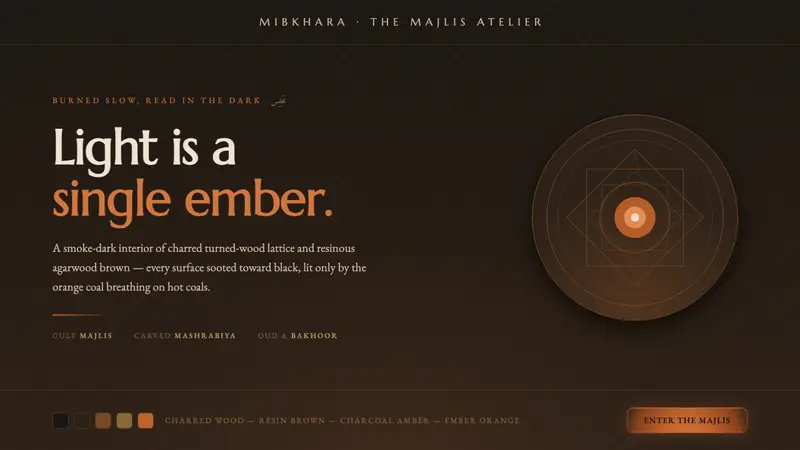 Oud Incense MashrabiyaLight is a single ember. Charred near-black mashrabiya lattice, resin browns, one ember-orange coal.
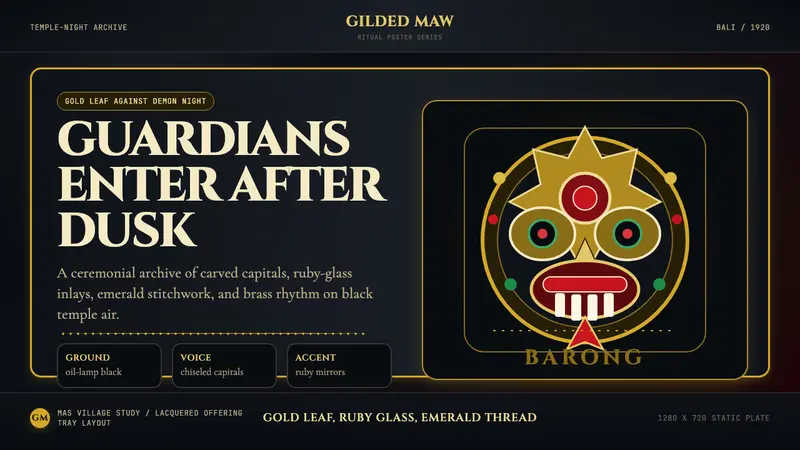 Balinese Barong Mask (1920)Protection glows after dark. Cinzel capitals frame gold, ruby, and emerald geometry.
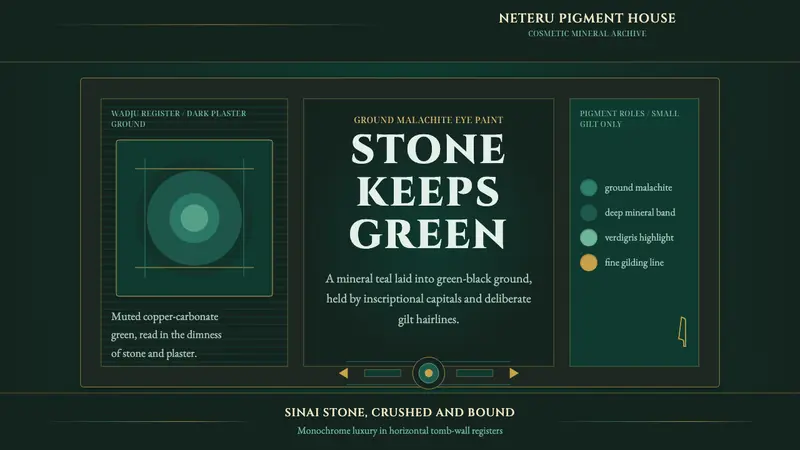 Egyptian Malachite PigmentGrave mineral green. Muted malachite bands on green-black stone, cut by fine gilt lines.
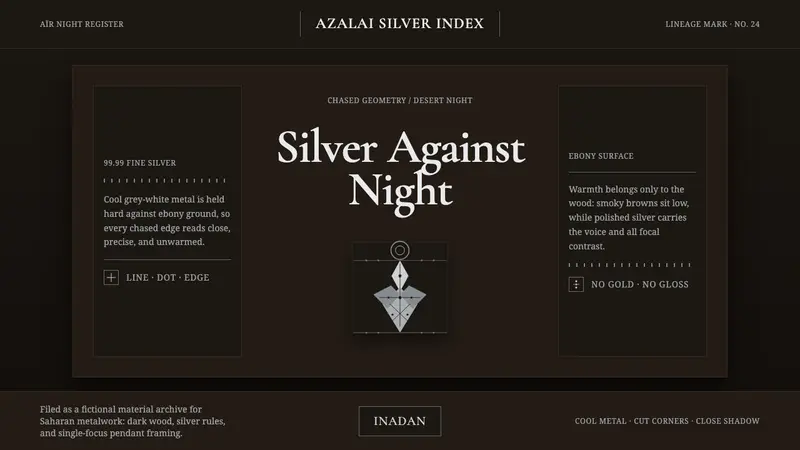 Tuareg Agadez Cross SilverSilver refuses warmth. Cool chased geometry cuts across ebony-dark surfaces.