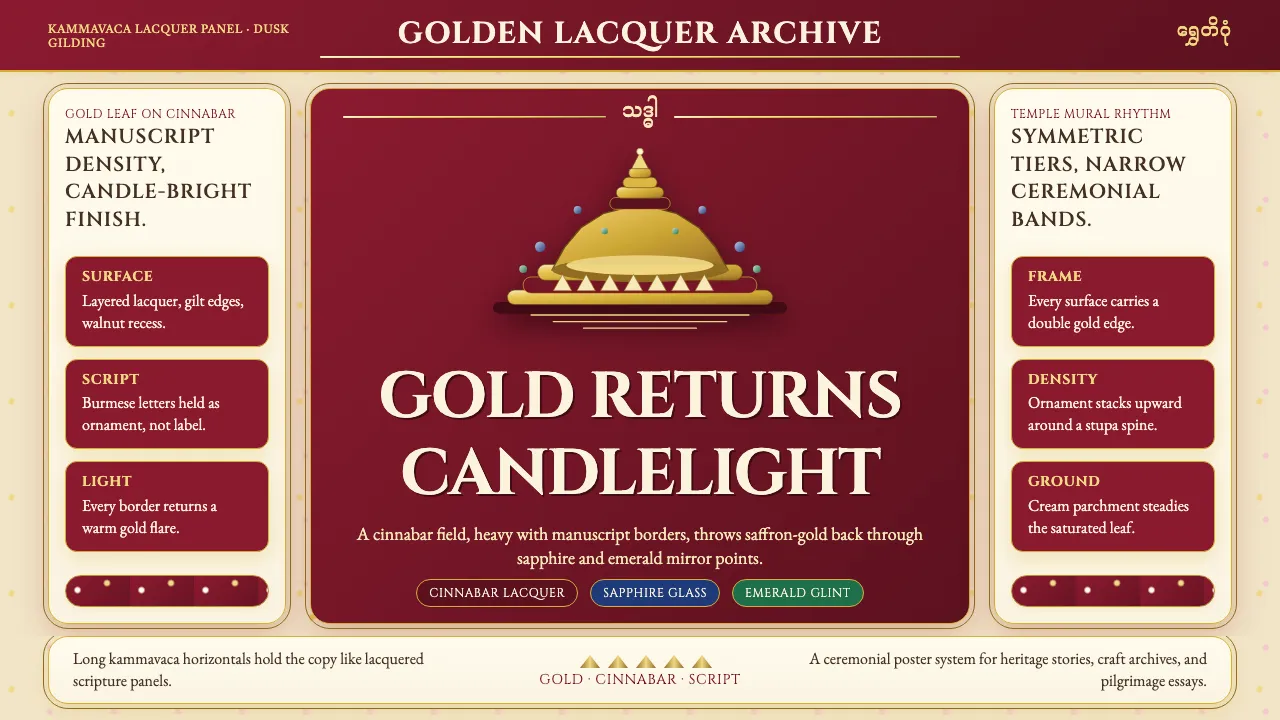
About Burmese Shwedagon Gold-Lacquer
Burmese Shwedagon gold-lacquer is the most concentrated saturated-gold visual culture in Southeast Asian Buddhism, anchored by the 99-meter Shwedagon stupa in Yangon covered in 27 tons of pilgrim-donated gold-leaf. The aesthetic centers on gold-leaf-on-cinnabar-red lacquer kammavaca manuscripts, gold-pressed Buddha images, and Mandalay puppet-panel ornament.
The chord is gold-leaf dominant against deep cinnabar-red lacquer, with sapphire-cobalt and emerald accent. If it doesn't catch candle-light and throw it back as gold-on-red, it isn't Burmese enough.
- Origin
- Myanmar (Burma) — Yangon, Bagan, Mandalay, Inle Lake
- Era
- Bagan period 849–1297; Konbaung dynasty 1752–1885 (peak Shwedagon gold-application + Mandalay puppet-theater); contemporary practice
- Key figures
- King Anawrahta · King Hsinbyushin · U Maung Maung Ohn · U Soe Win
- Movements
- Theravada Buddhist material culture · Bagan temple-painting tradition · Konbaung-era lacquer + gold-leaf craft · Mandalay marionette-theater (yokthe pwe)
Burmese Shwedagon Gold-Lacquer design spec
Colors
Typography
The other 11 sections — buttons, cards, spacing, motion, techniques and more — open once you unlock. Download the DESIGN.md or send it to your AI in one click. Unlock once, yours forever.
Sign up nowStyles similar to Burmese Shwedagon Gold-Lacquer
Also inspired by crafts & folk art, with a close feel.
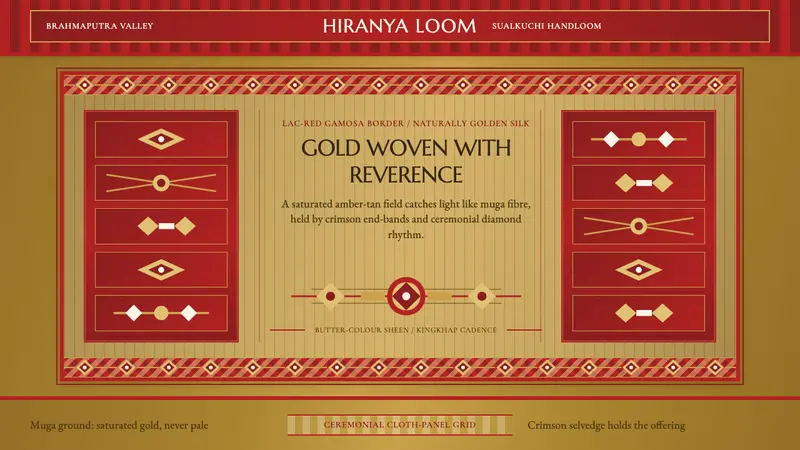 Assam Muga Silk & GamosaWarm ceremony in silk. Muga gold sheen meets crimson borders and woven diamond bands.
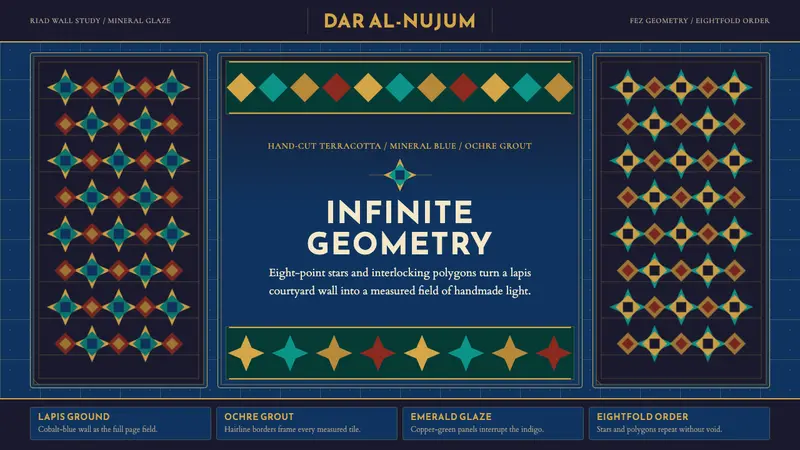 Moroccan Zellige TileLuxurious geometry without void. Lapis ground, ochre borders, and eight-point stars tessellate.
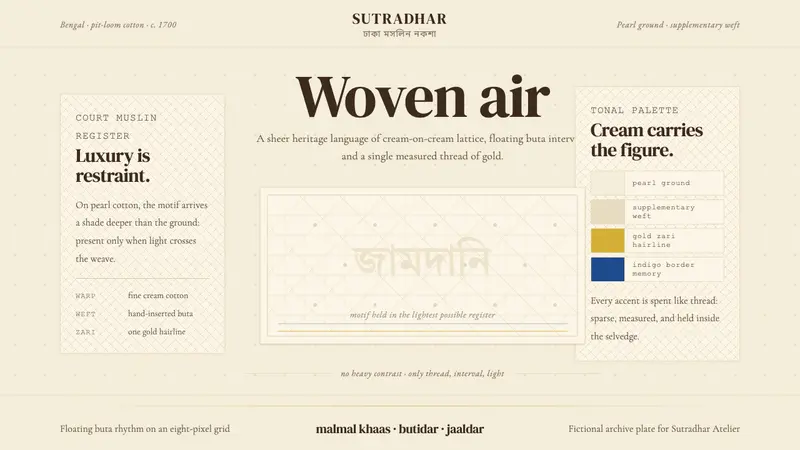 Bengali Jamdani WeavingLuxury whispers. Pearl cream, tonal buta, and one gold hairline make woven air visible.
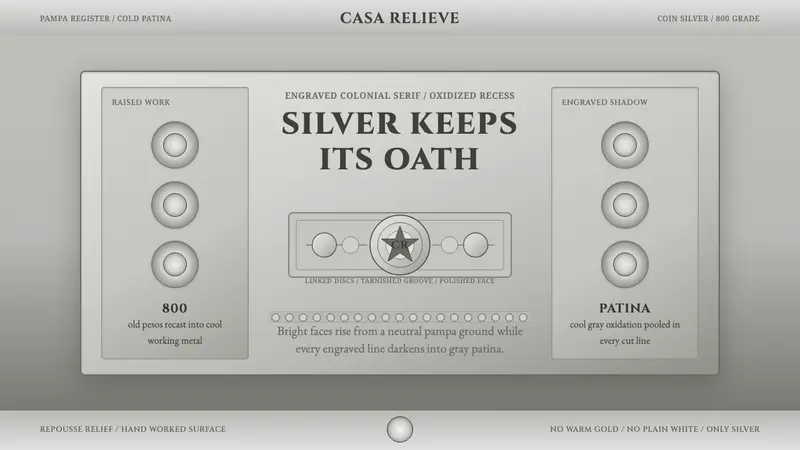 Criollo Silver GrayscaleCold luxury in aged silver. Cinzel capitals, rastra discs, and oxidized gray grooves.