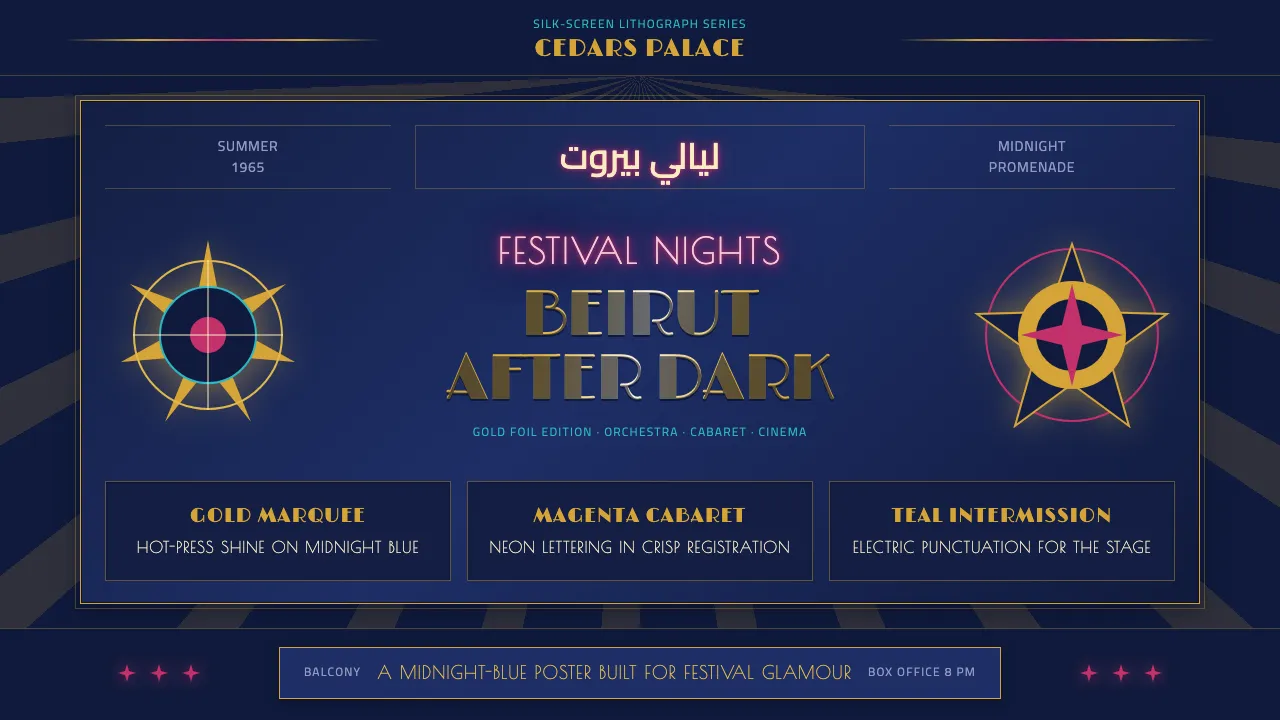
About Beirut Golden-Age Poster
In the 1960s Beirut was the "Paris of the East," and its cabarets and the Baalbeck International Festival announced themselves with lavishly silk-screened lithographs. Midnight-blue grounds carried gold-foil and magenta-neon script in swooping lettering where Kufic met Art Deco — one famous Karajan festival poster used 35 colors plus two silk-screens and hot-press gold foil.
This system distills that maximalist poster glamour into digital form: a saturated midnight-blue ground, signature festival gold, magenta and teal neon accents, and dramatic Deco-Kufic display type rendered at festival-poster scale.
- Origin
- Middle East — Beirut and Baalbeck, Lebanon
- Era
- 1950–1990 (festival-poster golden era ~1968–1975)
- Key figures
- Baalbeck International Festival design commissions · Beirut cabaret poster lithographers
- Movements
- Levantine Art-Deco · Kufic display lettering · Mid-century silk-screen poster art
Beirut Golden-Age Poster design spec
Colors
Typography
The other 11 sections — buttons, cards, spacing, motion, techniques and more — open once you unlock. Download the DESIGN.md or send it to your AI in one click. Unlock once, yours forever.
Sign up nowStyles similar to Beirut Golden-Age Poster
Also inspired by print & type, with a close feel.
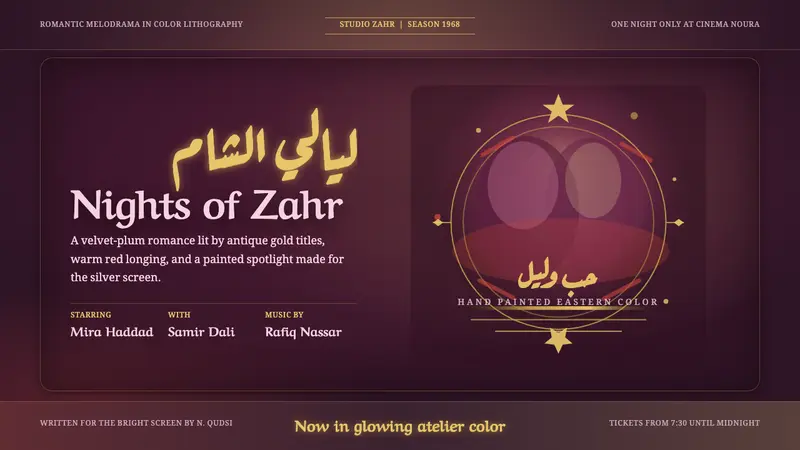 Damascus Cinema PosterGlows like hand-painted cinema. Plum ground, gold Ruqaa title, red spotlight romance.
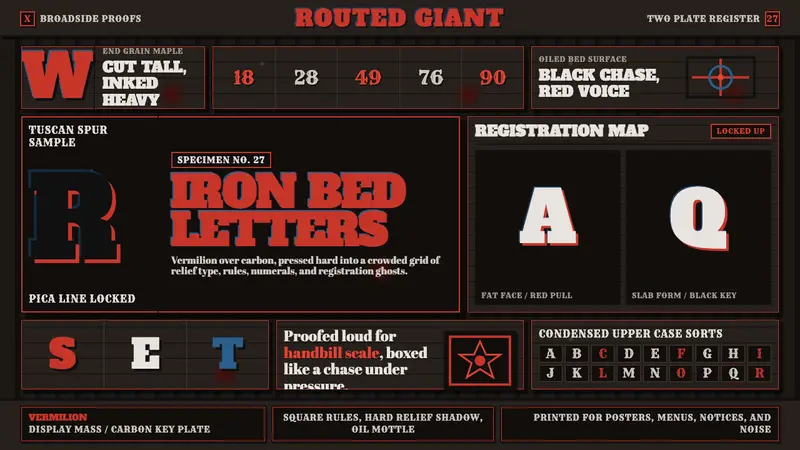 Wood Type SpecimenLoud proof-bed authority. Vermilion slab type locks into a black gridded press bed.
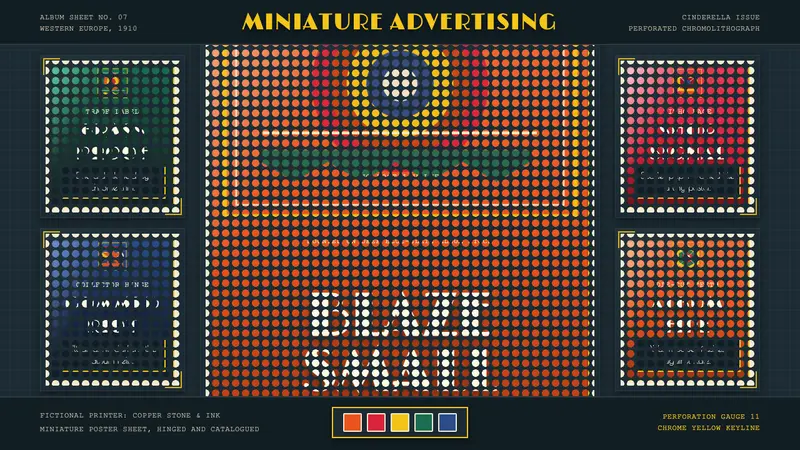 Poster Stamp (Cinderella)Blazes in miniature. Vermilion stamps, chrome keylines, and toothed edges on slate.
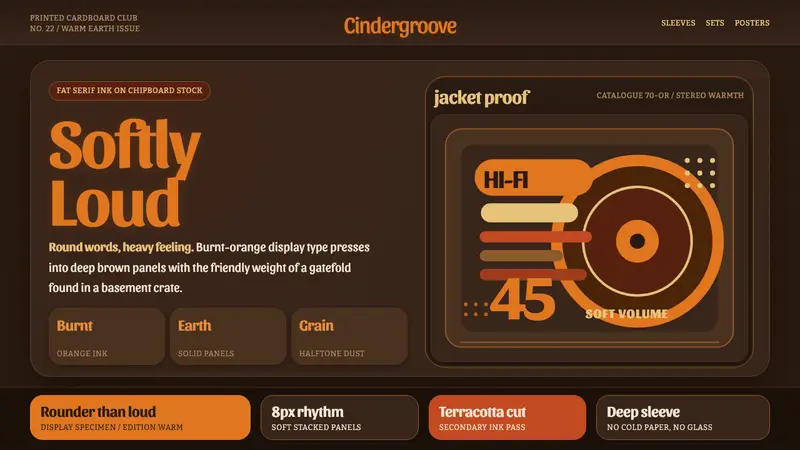 Cooper Black DisplayShouts softly. Burnt-orange Cooper type sinks into deep chipboard brown with halftone warmth.