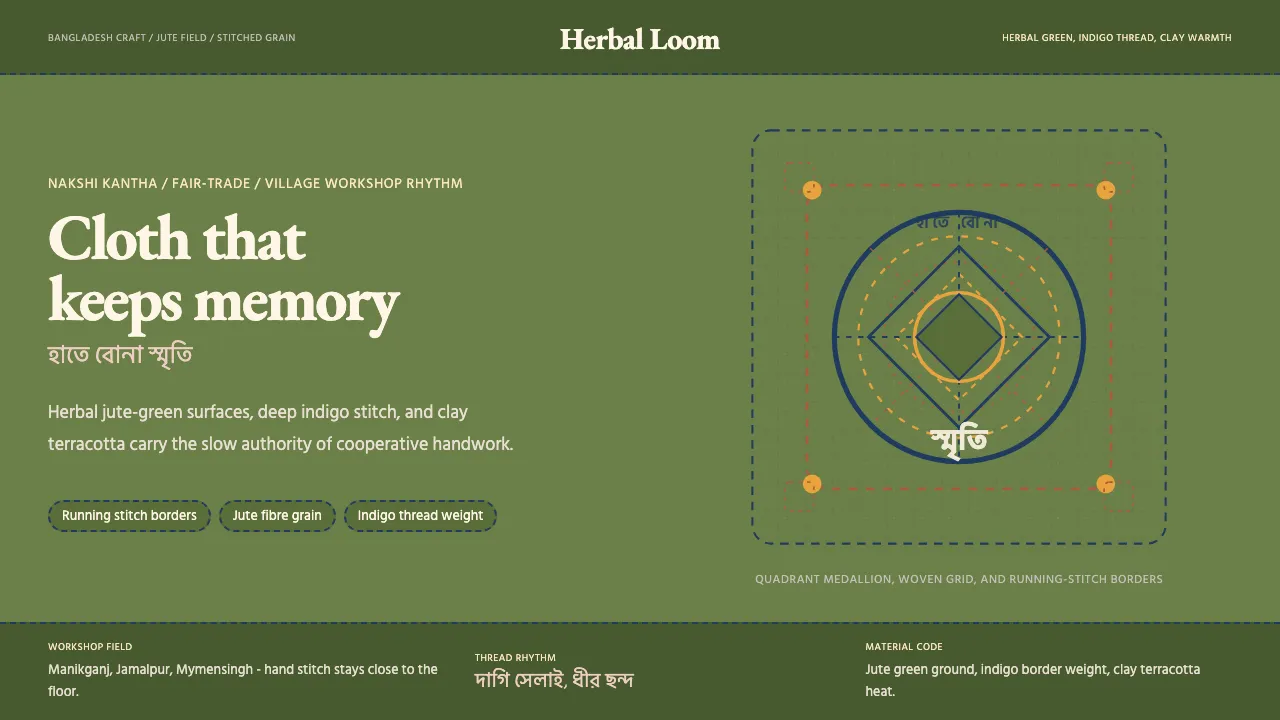
About Bangladeshi Jute Craft
This system channels the visual identity of Bangladesh's modern craft cooperatives — Aarong, Tarango, Kumudini — where jute weaving, nakshi kantha hand-embroidery, and indigo-dyed cotton converge into a coherent design language. The palette is emphatically not beige: muted herbal jute-green dominates the page, deep indigo carries the embroidery thread's authority, and warm clay-terracotta grounds the accent.
Every surface carries the texture of handwork — running-stitch dashed borders replace drop shadows, jute-fibre grain replaces glass effects, and Bengali script is given generous vertical breathing room. The rhythm is slow, deliberate, and rooted in the village workshops of Manikganj where 200 women run embroidery cooperatives.
- Origin
- Bangladesh — Dhaka, Manikganj, Jamalpur, Mymensingh, Jessore
- Era
- Nakshi kantha centuries-old; modern co-op branding 1978–2020s
- Key figures
- Sir Fazle Hasan Abed · Tahsinah Ahmed · Bibi Russell
- Movements
- nakshi kantha embroidery revival · Bangladeshi fair-trade craft cooperatives · post-Rana-Plaza ethical-fashion repositioning
Bangladeshi Jute Craft design spec
Colors
Typography
The other 11 sections — buttons, cards, spacing, motion, techniques and more — open once you unlock. Download the DESIGN.md or send it to your AI in one click. Unlock once, yours forever.
Sign up nowStyles similar to Bangladeshi Jute Craft
Also inspired by crafts & folk art, with a close feel.
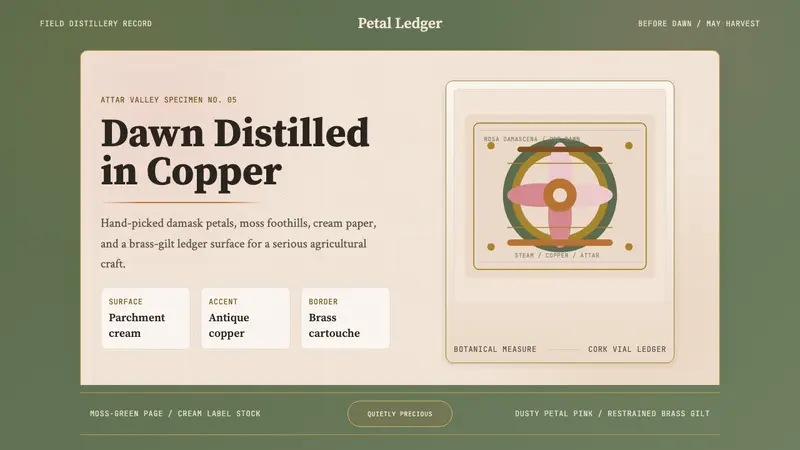 Bulgarian Rose Attar (Valley of Roses)Quietly precious craft. Moss green, dusty rose and brass borders frame a dawn specimen plate.
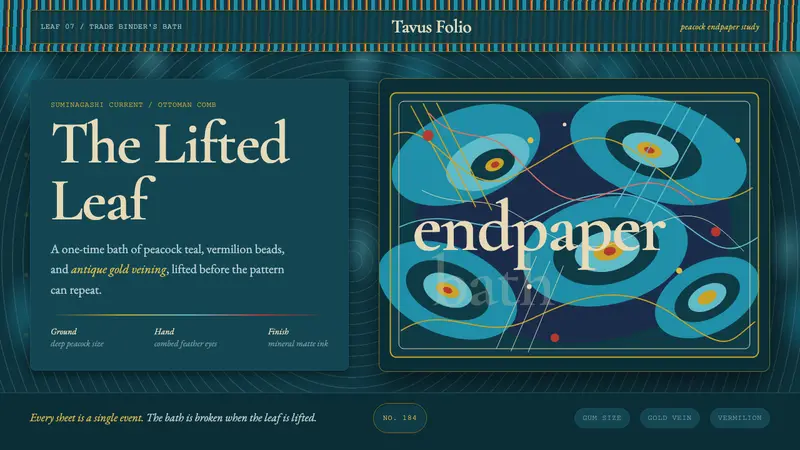 Marbled EndpaperInk refuses repetition. Peacock teal, vermilion beads, and gold veins drift like lifted paper.
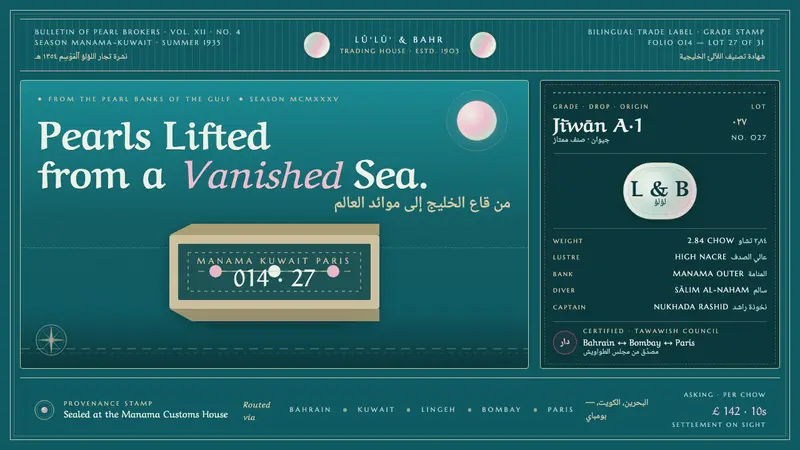 Gulf Pearl Trade EraA vanished maritime economy, stamped. Sea-teal water, dhow silhouettes, nacre seals beside Naskh.
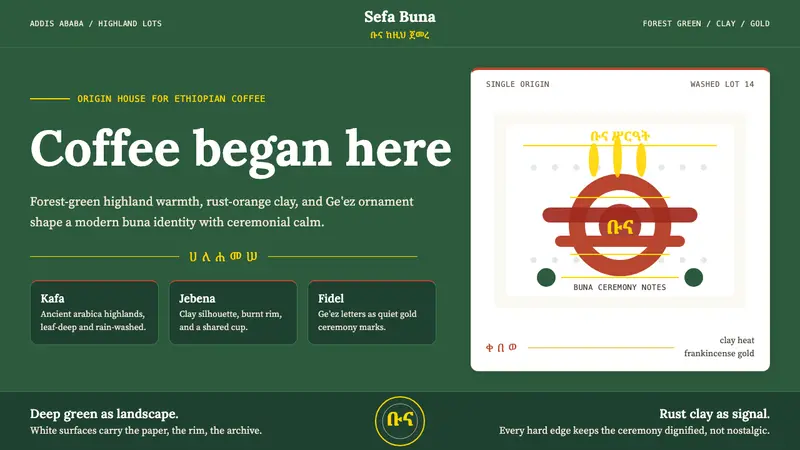 Ethiopian Coffee BunaOrigin feels ceremonial. Forest green, rust clay, Lora serif, and Geʽez gold dividers.