About Wong Kar-wai — In the Mood for Love
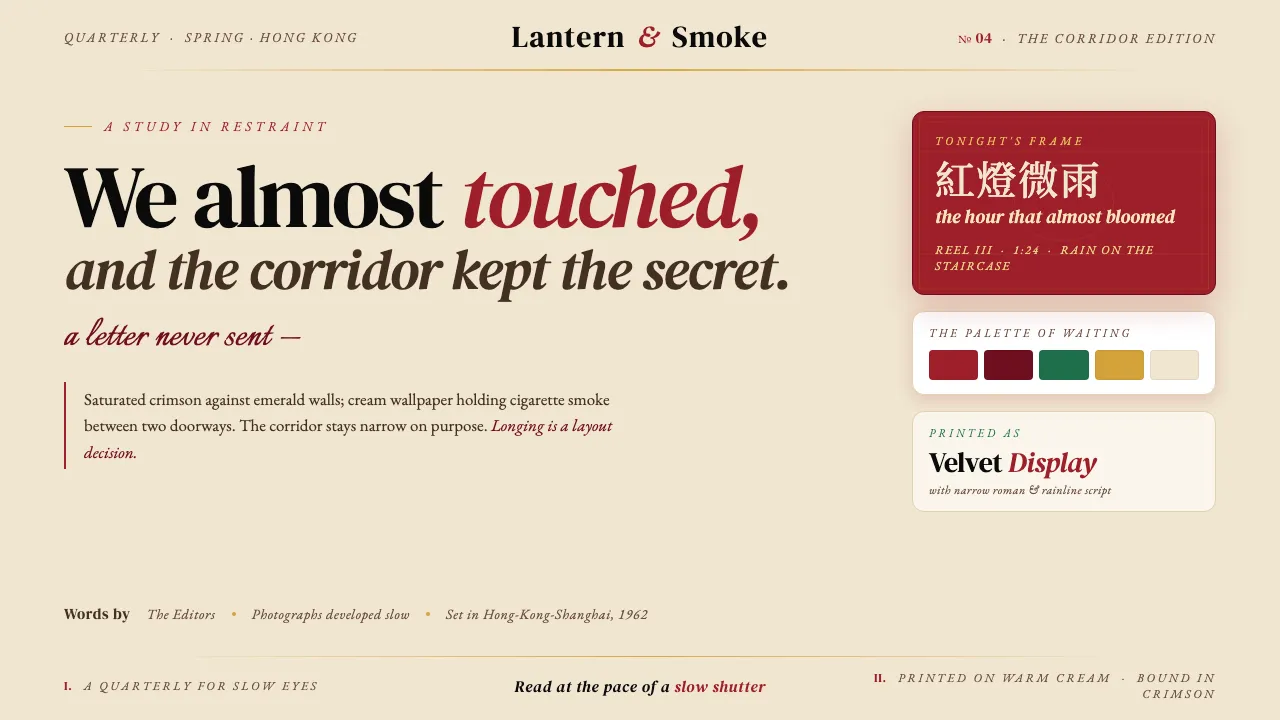
Wong Kar-wai's *In the Mood for Love* (2000) crystallized a visual grammar that the world now reads as the canonical Hong Kong cinematic-romance: saturated crimson qipao silhouettes, emerald-jade tenement walls, warm cream wallpaper, and Christopher Doyle's slow-shutter cinematography. Every frame holds longing as a design principle.
This system translates that mood into a digital surface. Type is set in deep-cut serifs and italic flourishes; color is unapologetically saturated; layouts breathe like 1960s Hong Kong-Shanghai apartments — narrow, framed, intimate. It is editorial cinema rendered as interface.
Learn more about the Wong Kar-wai — In the Mood for Love style
- Origin
- Hong Kong; global art-cinema canon
- Era
- In the Mood for Love released 2000; broader Wong Kar-wai canon 1988–present (Chungking Express 1994, Happy Together 1997, 2046 2004, The Grandmaster 2013)
- Key figures
- Wong Kar-wai · Christopher Doyle · William Chang · Tony Leung Chiu-wai · Maggie Cheung
- Movements
- Hong Kong New Wave · art-cinema canon · Asian-cinema-aesthetic
Wong Kar-wai — In the Mood for Love design spec
Colors
Typography
The other 11 sections — buttons, cards, spacing, motion, techniques and more — open once you unlock. Download the DESIGN.md or send it to your AI in one click. Unlock once, yours forever.
Sign up nowStyles similar to Wong Kar-wai — In the Mood for Love
Also inspired by film, games & music, with a close feel.
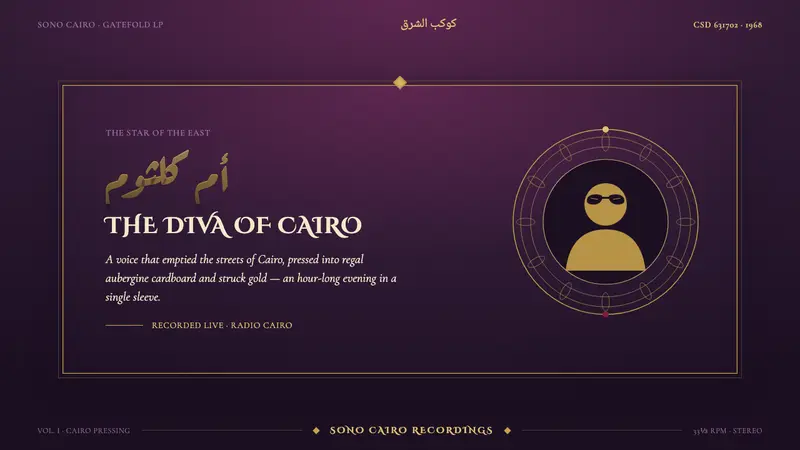 Om Kalthoum Record SleeveOpulence pressed into cardboard. Struck gold Aref Ruqaa on aubergine, rosette medallion borders.
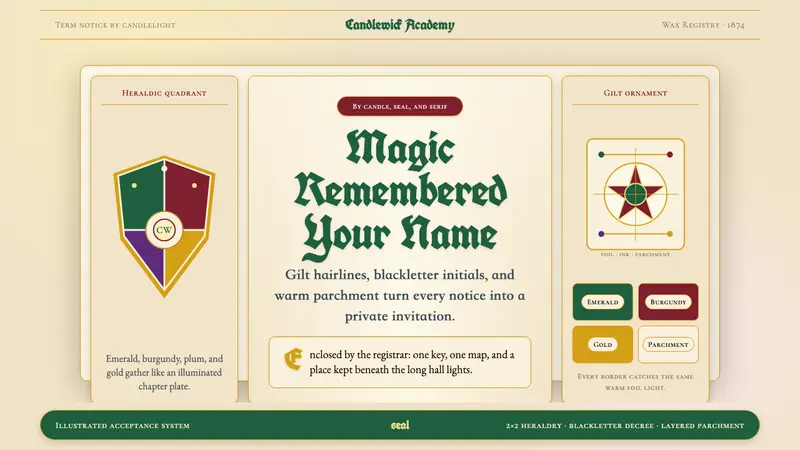 Harry Potter IllustratedMagic arrives by parchment. Emerald, burgundy and gilt borders frame blackletter decree.
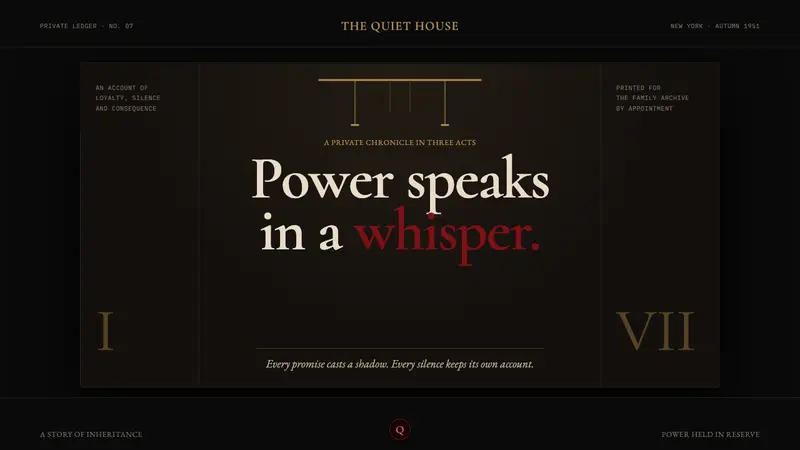 The Godfather (1972)Quiet authority becomes menace. Near-black shadow, brass rules, and one oxblood accent.
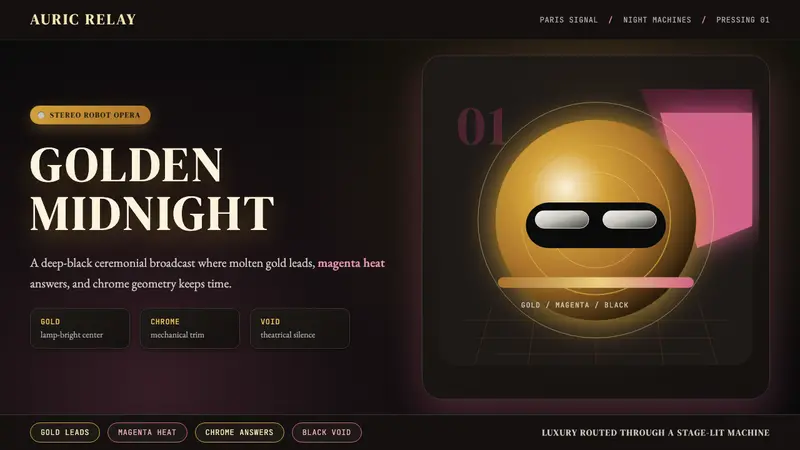 Daft Punk Discovery (Gold-Helmet)Warm sci-fi disco. Gold serif caps orbit a magenta void with chrome-disc geometry.