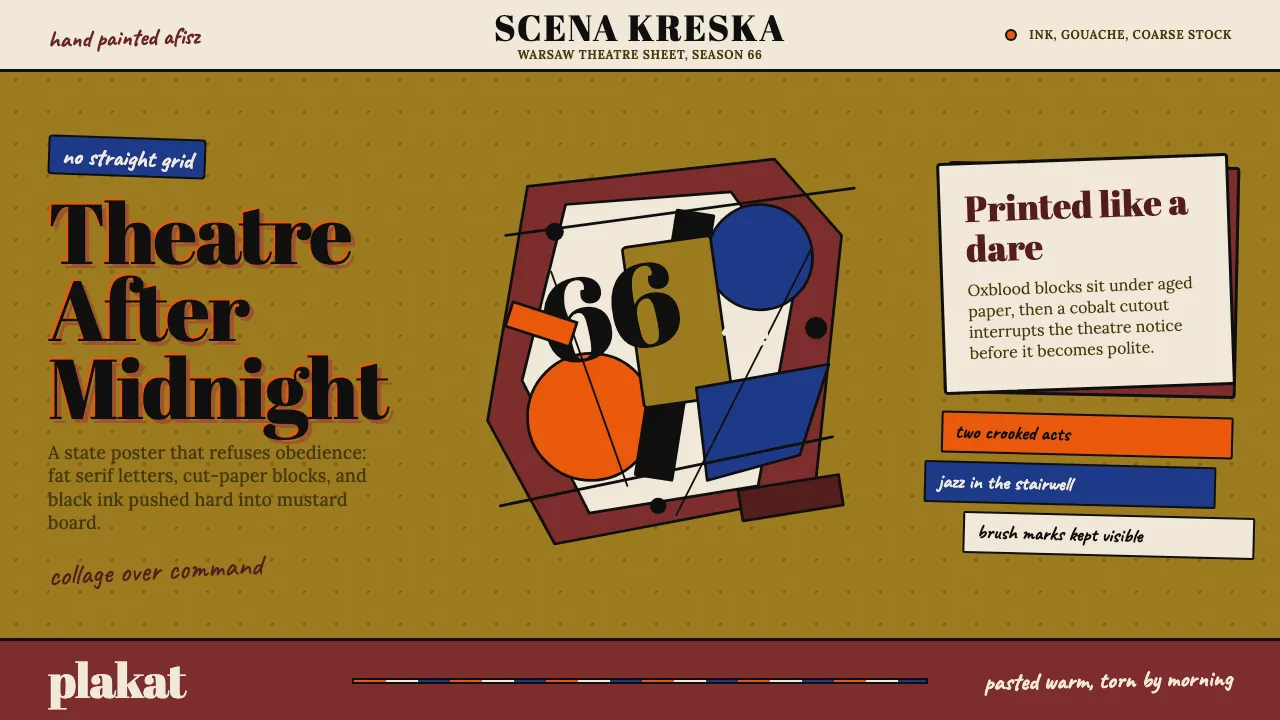
About Polish Poster School (1960s)
The Polish Poster School emerged in 1960s Warsaw as a startling paradox — state-funded art that rejected state aesthetics. Under nominal communism, designers like Jan Lenica and Henryk Tomaszewski produced hand-painted, surrealist posters for theatre, film, and jazz that read more like gallery paintings than propaganda.
This design system captures that painterly rebellion: mustard and oxblood grounds recalling gouache on toned paper, hand-drawn brush typography, collage composition over rigid grids, and the deliberate imperfection of ink on coarse stock.
- Origin
- Warsaw, Kraków — Poland
- Era
- 1960s peak (extended to 1980s, continuing influence today)
- Key figures
- Jan Lenica · Henryk Tomaszewski · Roman Cieslewicz · Waldemar Świerzy · Franciszek Starowieyski
- Movements
- Polish Poster School (Polska Szkoła Plakatu) · post-WWII Polish graphic design · theatre poster tradition
Polish Poster School (1960s) design spec
Colors
Typography
The other 11 sections — buttons, cards, spacing, motion, techniques and more — open once you unlock. Download the DESIGN.md or send it to your AI in one click. Unlock once, yours forever.
Sign up nowStyles similar to Polish Poster School (1960s)
Also inspired by design movements, with a close feel.
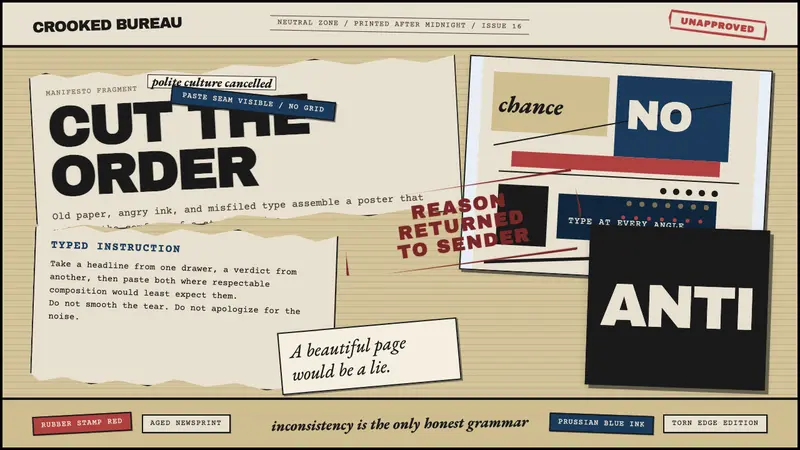 Dadaism (Zürich 1916)Chaos is the grammar. Aged newsprint, stamp red, Prussian blue, and tilted type collide.
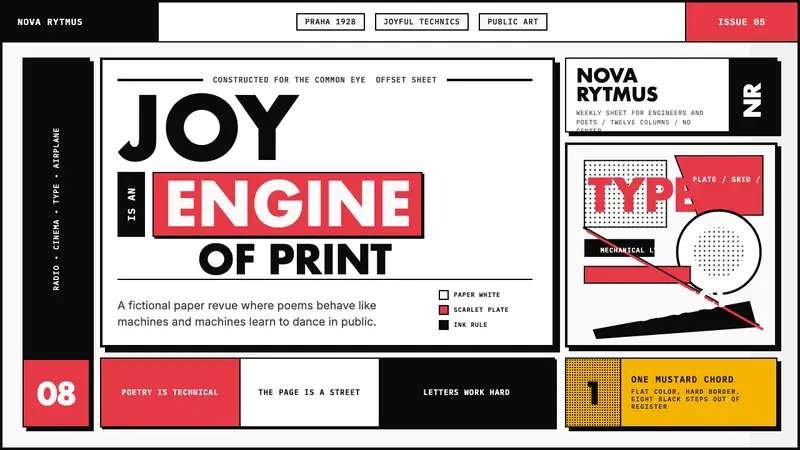 Czech Devětsil Avant-GardeJoy is engineered. Scarlet ink blocks and rotated sans type collide on an asymmetric grid.
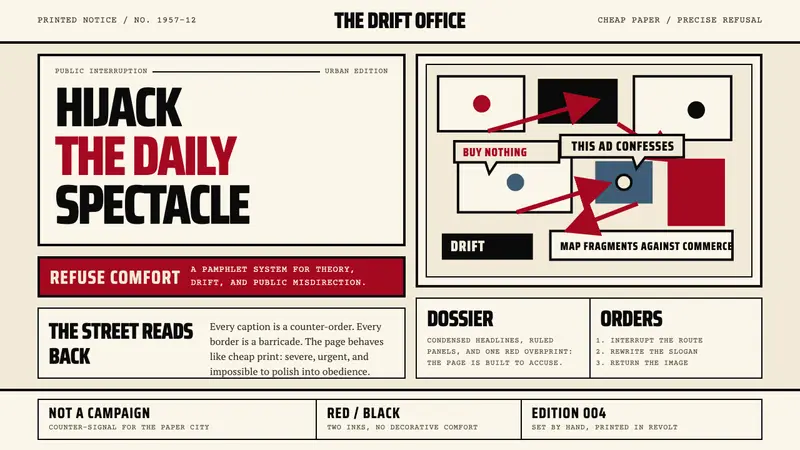 Situationist International (Debord, 1957)Agitation becomes structure. Red-black blocks and condensed type weaponize newsprint.
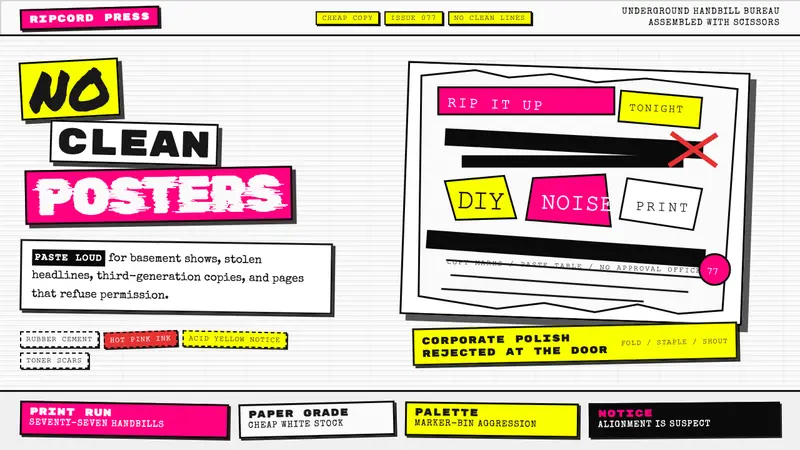 Punk Xerox 1977Anti-design shouts. Hot pink and acid yellow collide with ransom type on Xerox paper.