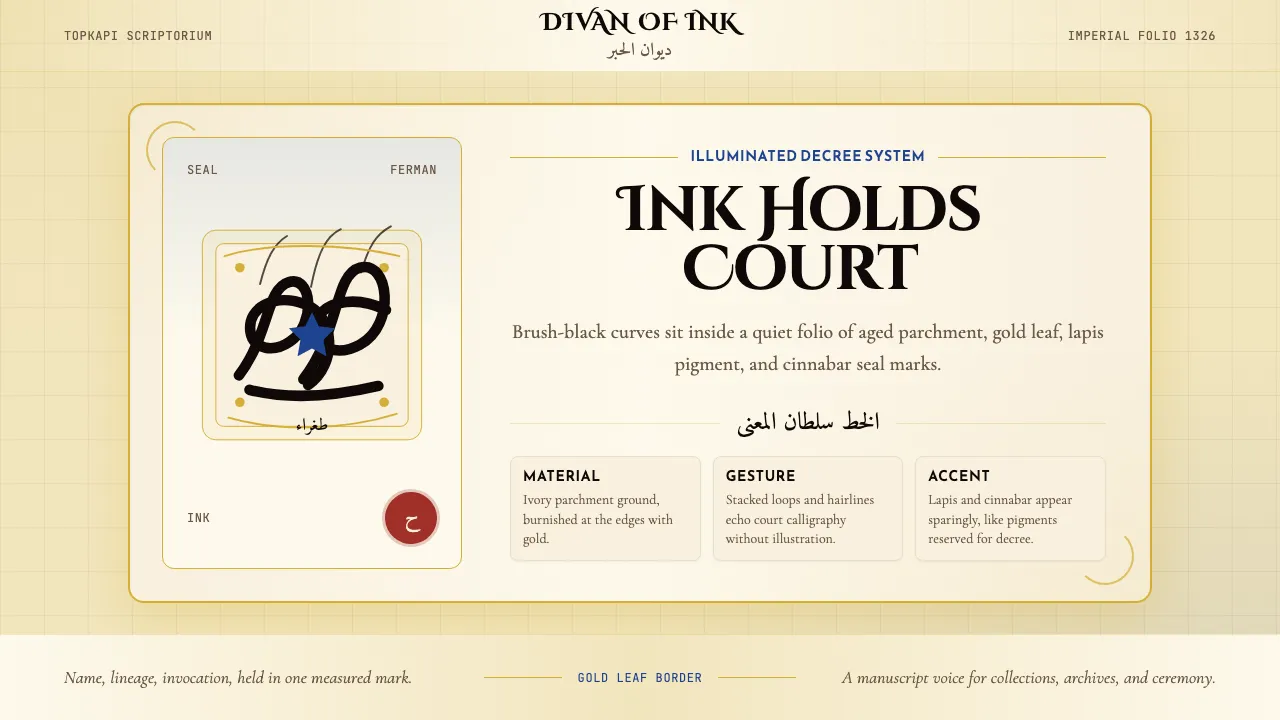
About Ottoman Tughra Calligraphy
The Ottoman tughra is the calligraphic monogram-sigil of the Sultan — a single elaborate composition encoding name, lineage, and divine invocation, rendered by master calligraphers over years of training. This design system channels that imperial scriptorium aesthetic: jet-black brush strokes on aged ivory parchment, gold-leaf illumination borders, and lapis-lazuli ornament accents.
Every element carries the weight of six centuries of court calligraphy tradition, from Orhan I's first tughra in 1326 through the final Ottoman decree. The palette is restrained to manuscript materials — ink, parchment, gold leaf, lapis pigment, cinnabar seal — creating interfaces that feel like illuminated imperial documents.
- Origin
- Istanbul (Constantinople), Ottoman Empire
- Era
- 1326–1922; peak refinement under Süleyman the Magnificent (1520–1566)
- Key figures
- Hafiz Osman · Mustafa Râkım Efendi · Sami Efendi · Sultan Süleyman I
- Movements
- Ottoman court calligraphy (hat sanatı) · Islamic Naskh/Thuluth/Diwani script traditions · Imperial-sigil heritage
Ottoman Tughra Calligraphy design spec
Colors
Typography
The other 11 sections — buttons, cards, spacing, motion, techniques and more — open once you unlock. Download the DESIGN.md or send it to your AI in one click. Unlock once, yours forever.
Sign up nowStyles similar to Ottoman Tughra Calligraphy
Also inspired by crafts & folk art, with a close feel.
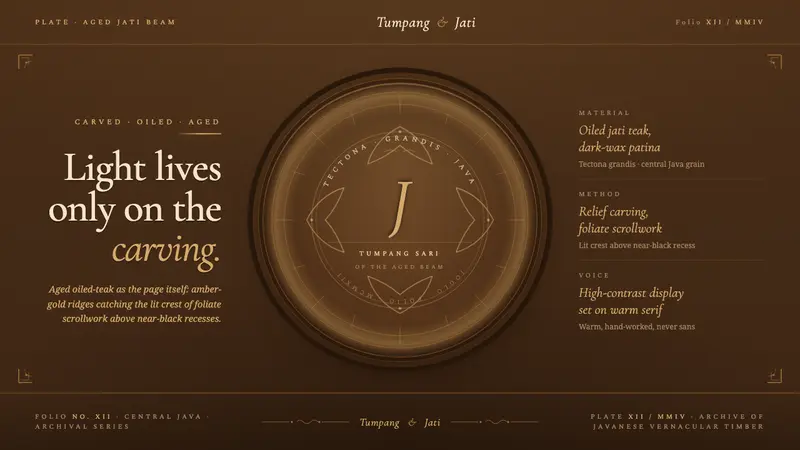 Javanese Teak JogloCarved warmth rules the page. Oiled teak-brown ground, near-black recesses, amber-gold edge light.
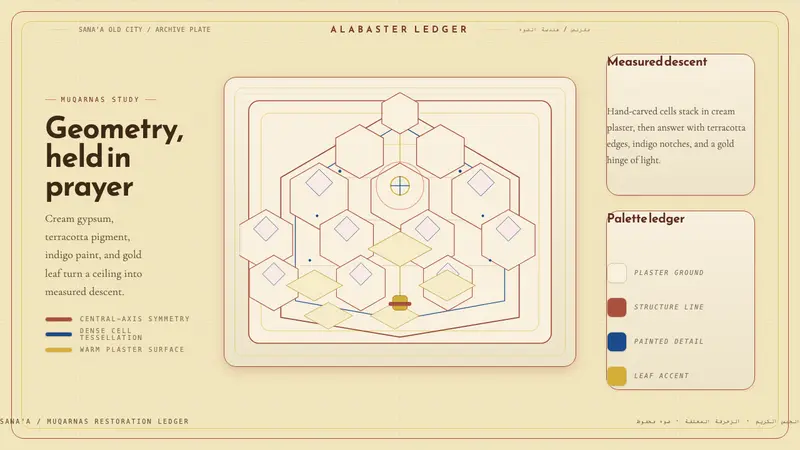 Yemeni Mukarras VaultSolemn geometry, warmed by plaster. Cream gypsum, terracotta, and indigo build the vault.
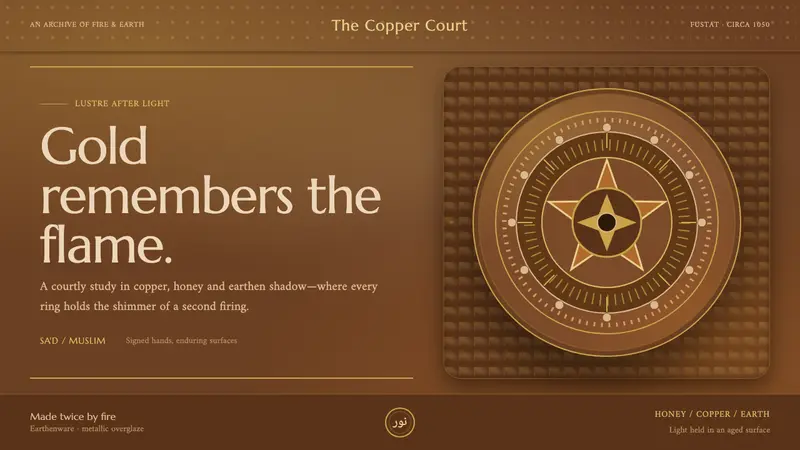 Fatimid LustrewareOpulence fired into earth. Copper-gold lustre glows through dense medallions and aged texture.
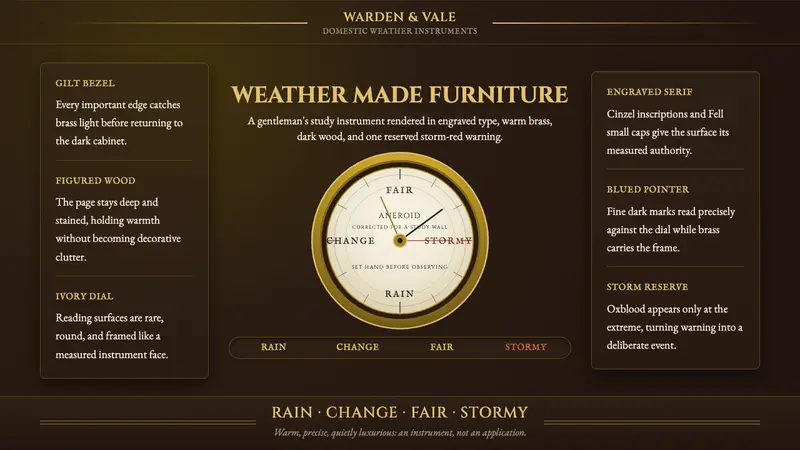 Aneroid BarometerMeasures weather as furniture. Gilt rings and Cinzel engraving glow on dark wood.