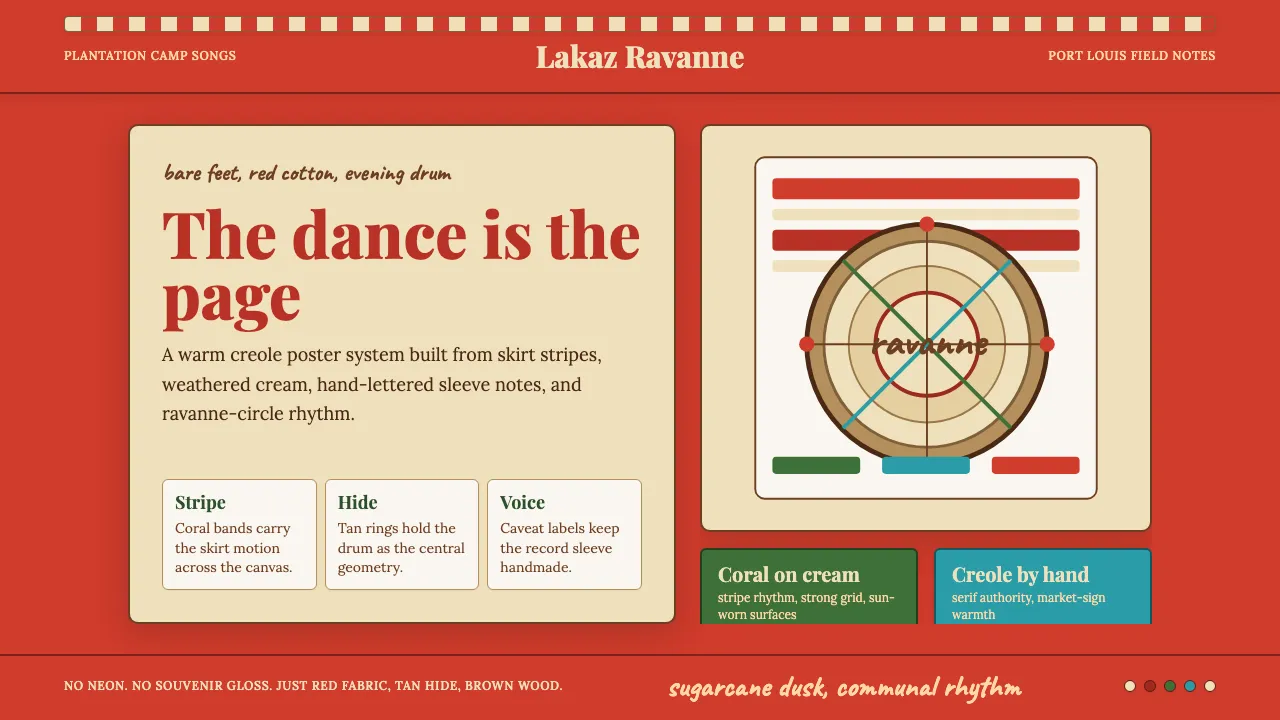
About Mauritian Sega Creole (1810)
Sega is the song and dance born on Mauritian sugar plantations among enslaved Africans, Malagasy, and Mozambicans in the late eighteenth century. Drummed on the ravanne, shaken with the maravanne rattle, and danced barefoot in coral-red striped skirts, it became the island's defining cultural expression — inscribed by UNESCO in 2014. This design system channels that plantation-era creole energy: bold red-and-cream stripe bands, weathered wood textures, hand-lettered record-sleeve typography, and the circular geometry of the ravanne drum. It is warm, rhythmic, and unapologetically handmade.
- Origin
- Mauritius (Port Louis, Rodrigues Island)
- Era
- Late 1700s plantation origin; formalised 1810s post-British takeover; modern revival 1960s; UNESCO 2014
- Key figures
- Ti Frère (Jean Alphonse Ravaton) · Serge Lebrasse · Marclaine Antoine · Vijaya Teelock
- Movements
- Indian Ocean creole music · anti-slavery cultural memory · Mauritian sega tipik
Mauritian Sega Creole (1810) design spec
Colors
Typography
The other 11 sections — buttons, cards, spacing, motion, techniques and more — open once you unlock. Download the DESIGN.md or send it to your AI in one click. Unlock once, yours forever.
Sign up nowStyles similar to Mauritian Sega Creole (1810)
Also inspired by crafts & folk art, with a close feel.
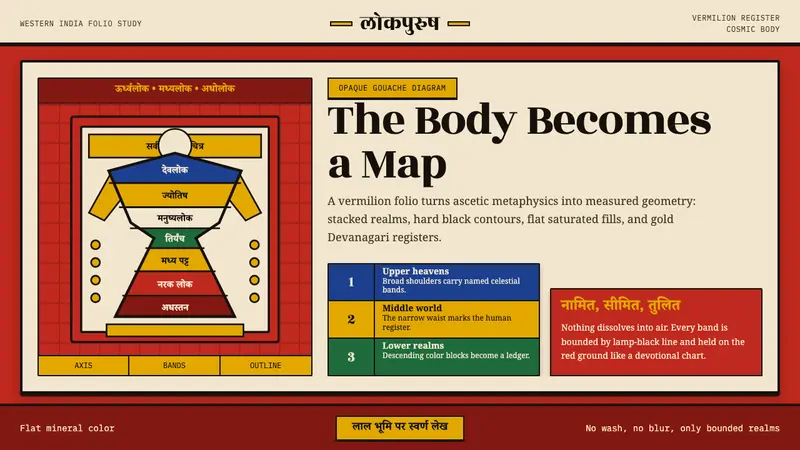 Jain CosmologyAscetic geometry, made visible. Vermilion ground, black contours, gold Devanagari bands.
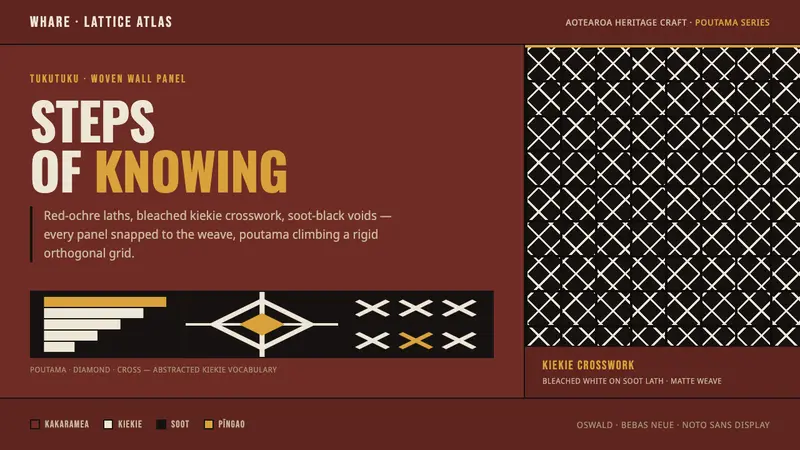 Māori Tukutuku PanelTukutuku weave, rendered strict. Bleached kiekie crosswork laces poutama steps on red-ochre lath.
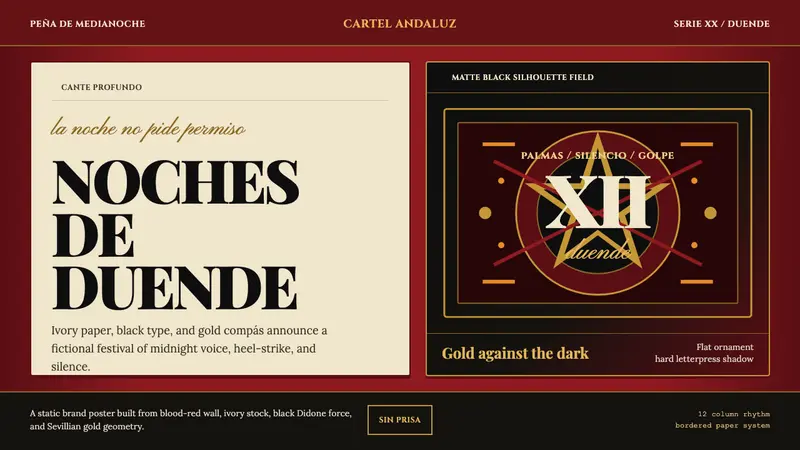 Spanish Flamenco PosterPassion printed as ritual. Blood red, ivory paper, Didone type, and flat gold rhythm.
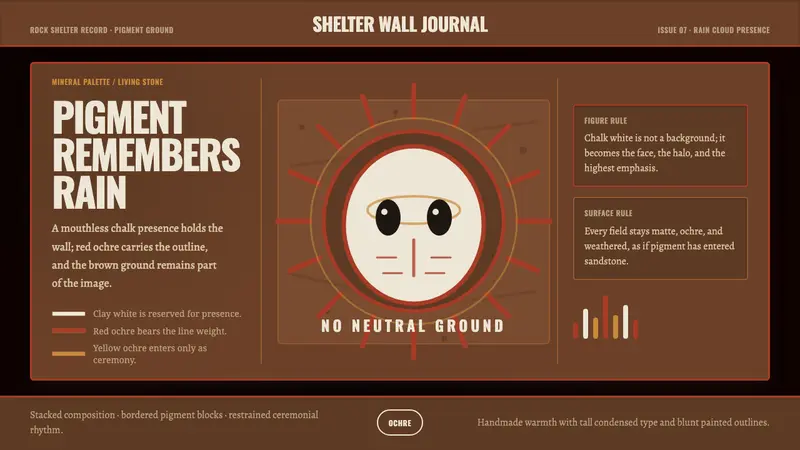 Wandjina Kimberley Rock ArtAncestral presence in stone. Chalk white haloes and red ochre outlines sit on brown rock.