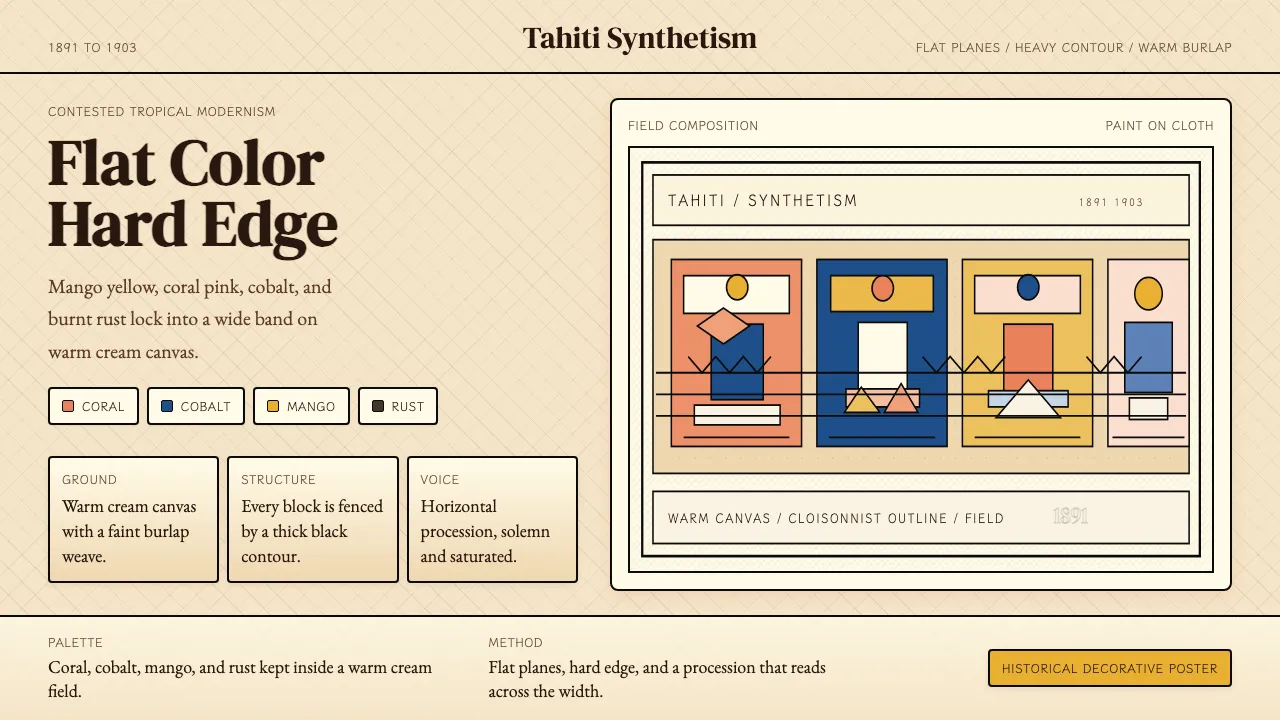
About Gauguin — Tahiti Synthetism
Gauguin's 1891–1903 Tahiti and Marquesas canvases are Post-Impressionism's most controversial color blast — flat planes of mango-yellow, coral-pink, cobalt and burnt-rust bound by heavy Cloisonnist outlines on rough burlap.
The aesthetic forgets naturalistic skin tones and atmospheric perspective: figures press against ornamented backdrops like Quattrocento friezes, with Tahitian inscriptions floating in upper corners. The result is foundational to 20th-century modernism — and ethically fraught in equal measure.
- Origin
- French Polynesia — Tahiti and the Marquesas Islands
- Era
- Gauguin's tropical period 1891–1903; preceded by Brittany Synthetism 1888
- Key figures
- Paul Gauguin · Émile Bernard · Vincent van Gogh · Albert Aurier
- Movements
- Post-Impressionism · Synthetism · Cloisonnism · Symbolism
Gauguin — Tahiti Synthetism design spec
Colors
Typography
The other 11 sections — buttons, cards, spacing, motion, techniques and more — open once you unlock. Download the DESIGN.md or send it to your AI in one click. Unlock once, yours forever.
Sign up nowStyles similar to Gauguin — Tahiti Synthetism
Also inspired by art & artists, with a close feel.
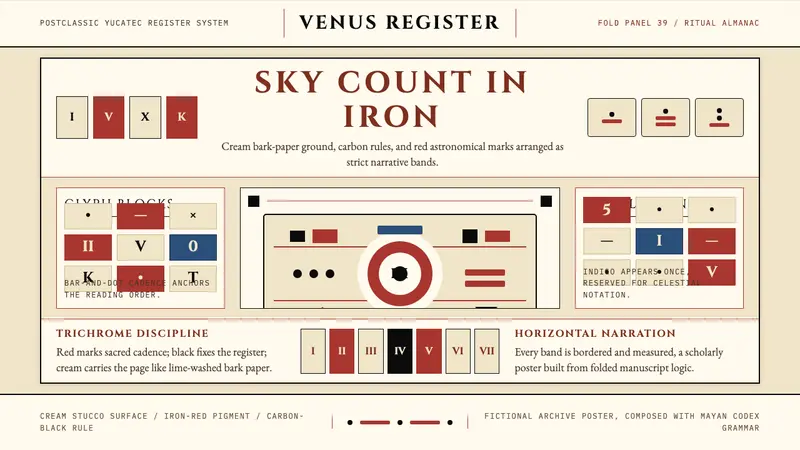 Mayan Dresden CodexSacred astronomy, measured. Cream registers, iron-red glyphs, carbon rules.
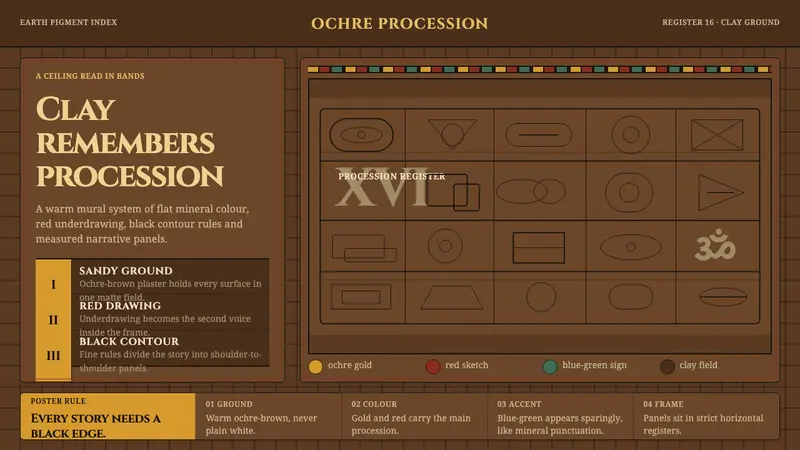 Lepakshi Vijayanagara CeilingEarth remembers in registers. Ochre gold, red underdrawing and black rules march on clay.
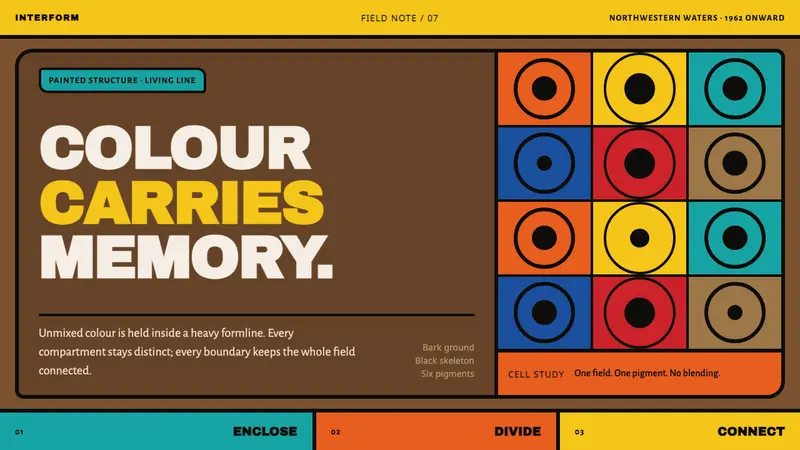 Woodland School — MorrisseauColour carries memory. Unmixed orange, yellow and turquoise lock into heavy black cells.
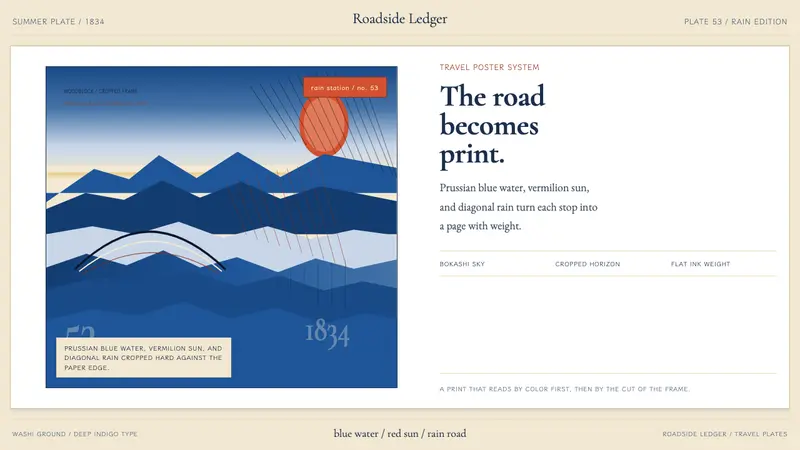 Hiroshige — Tokaido RoadA road print in motion. Prussian blue blocks, vermilion cartouches, diagonal rain.